
Bobrowiec – Sports, Culture and History
Accommodation in Bobrowiec
Bobrowiec combines a varied range of sports with events organised by the local community. The 19th-century manor house adds to the area’s historical background, but it is privately owned and not open to visitors. The wider Piaseczyński destination also offers hiking trails, natural attractions and other cultural sites.
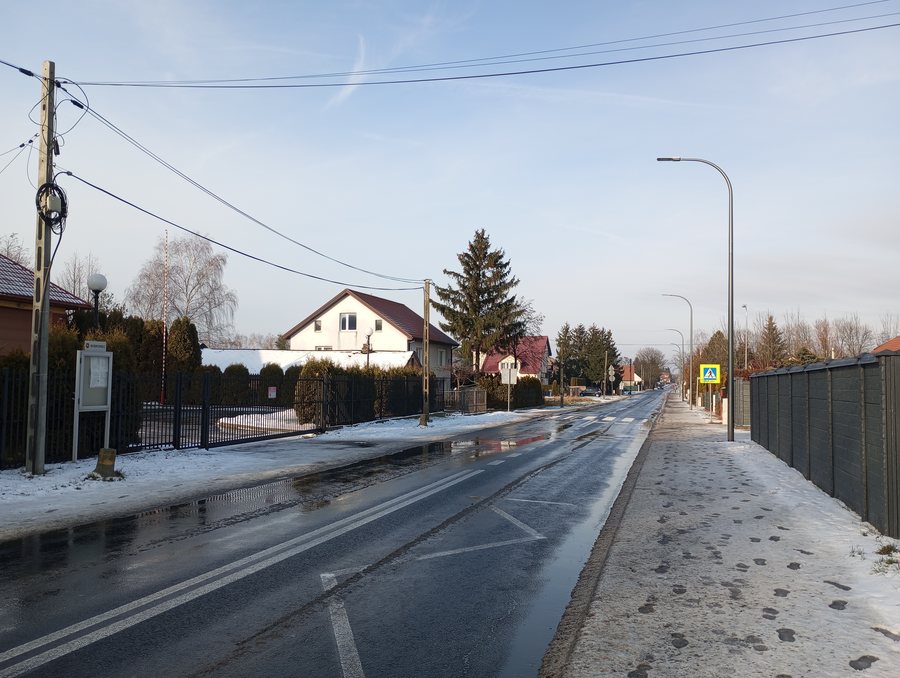
Bobrowiec at a glance
- The sports complex is located on ul. Sowia, at the corner of ul. Kormoranów.
- Facilities include football, basketball, streetball and athletics.
- The local community organises outdoor, cultural and artistic events.
- The 19th-century manor house is privately owned and cannot be visited.
What sports facilities are available in Bobrowiec?
The Bobrowiec sports complex includes a natural-grass football pitch, a multi-purpose court for recreational games and professional training, and a synthetic-surface court. Facilities are available for football, basketball, streetball and athletics. This brings different types of play and sports together in one named location; the courts differ in their surfaces and uses.
If you have a particular sporting activity in mind, check the current opening times and access rules with the operator. This will help you plan your visit without assuming that the list of sports indicates a specific time or guarantees access to a particular facility.
What shapes the area’s culture and history?
In Bobrowiec, the local community organises outdoor events as well as cultural and artistic events. As there is no set regular schedule, check the date before travelling to attend a specific event.
The 19th-century manor house is privately owned and cannot be visited. Its age places it within Bobrowiec’s history, but it is not an accessible visitor attraction. Confirm its access status again before planning a specific visit.
What trails are there in the wider Piaseczyński destination?
The trails in the wider Piaseczyński destination vary in both length and route. The 10-kilometre Chojnowski szlak zabytków przyrody passes through the Chojnów, Pilawski Grąd and Uroczysko Stephana nature reserves. The 28-kilometre Szlak Południkowy runs from Piaseczno railway station via Zalesie Dolne, Górki Szymona, Zimne Doły, Zalesie Górne, the Łoś Nature Reserve and Nowy Prażmów to Prażmów.
The 30-kilometre Szlak rezerwatów przyrody connects Zalesie Górne and Zimne Doły with the Uroczysko Stephana, Chojnów, Obory, Skarpa Oborska, Olszyna Łyczyńska and Łęgi Oborskie nature reserves, as well as Konstancin-Jeziorna; from there, it continues to Ursynów. Another option is the 24.5-kilometre trail marked in yellow and green, from Konstancin-Jeziorna to Góra Kalwaria and Czersk. It starts at the corner of Piłsudskiego and Sienkiewicza and passes through the Obory Nature Reserve, Słomczyn, Cieciszew and Dębówka. Based on the stated distances, the Chojnowski szlak zabytków przyrody is the shortest and the Szlak rezerwatów przyrody the longest of these trails.
Chojnowski Landscape Park has seven marked hiking trails as well as a network of educational trails for pedestrians and cyclists. There is a clear rule for visiting the park’s eleven nature reserves: visitors may use only existing paths and marked trails. Bear this in mind when planning nature excursions in the region.
Which natural and cultural sites add to the regional picture?
In the wider Piaseczyński destination, the landscape brings together natural and cultural history in different ways. Lake Czerskie is a fully protected natural monument and a former oxbow of the Vistula. It lies to the east, at the foot of Czersk Castle. Duke Janusz the Elder had the medieval Gothic castle built around the turn of the 15th century, on the site of an earlier fortification.
Zdrojowy Park in Konstancin-Jeziorna offers another distinctive regional setting: it lies in the centre of the spa district, and its main avenue connects Piłsudskiego Street with the graduation tower. The park has three playgrounds for children and young people, a volleyball court and an outdoor fitness station. The graduation tower opened on 21 July 1978. As the brine evaporates, it creates a microclimate in the surrounding area similar to that of the seaside.
Other regional points of interest bring together cultural history and nature observation. Piaseczno Town Hall was built in the Neoclassical style in 1823 and now houses the offices of the Muzeum Piaseczna. Dom Zośki in Zalesie Dolne, now part of Piaseczno, is the Zawadzki family’s wooden summer house. It is associated with the memoirs of Tadeusz Zawadzki, known as “Zośka”, which were used in Kamienie na szaniec. At the ponds in Żabieniec, visitors can observe, among other species, goosanders, black-necked grebes, red-necked grebes, little grebes, teal, bearded reedlings, penduline tits and black storks.
Discover more destinations: Tomice, Kamionka, Zalesie Górne, Jabłonowo, Przypki, Głosków, Nowa Wola, Józefosław.
FAQ
Can I visit the manor house in Bobrowiec?
No. The 19th-century manor house is privately owned and cannot be visited. Confirm its access status again before planning a specific visit.
Which sports are available in Bobrowiec?
The sports complex offers football, basketball, streetball and athletics. The complex is located on ul. Sowia, at the corner of ul. Kormoranów; check current opening times and access rules with the operator when planning your visit.
Who organises the cultural and outdoor events?
The local community organises outdoor events as well as cultural and artistic events in Bobrowiec. Check the date in advance if you want to plan your trip around a specific event.
For the wider travel guide: Piaseczyński.

