
Rybno
Accommodation in Rybno
Rybno can be explored through a variety of historical traces: a hill commemorates community members who fell in the First World War, while the mill, church tower and former estate buildings offer further insights into local cultural history. If you are planning a trip with an interest in history and architecture, Rybno offers several specific places to start.
Quick facts about Rybno
- A hill commemorates parish members who fell on the Eastern Front in the First World War.
- The preserved mill at ul. Wyszogrodzka dates from the second half of the 19th century.
- The detached, two-storey bell tower of St Bartholomew’s Parish Church was built in 1845.
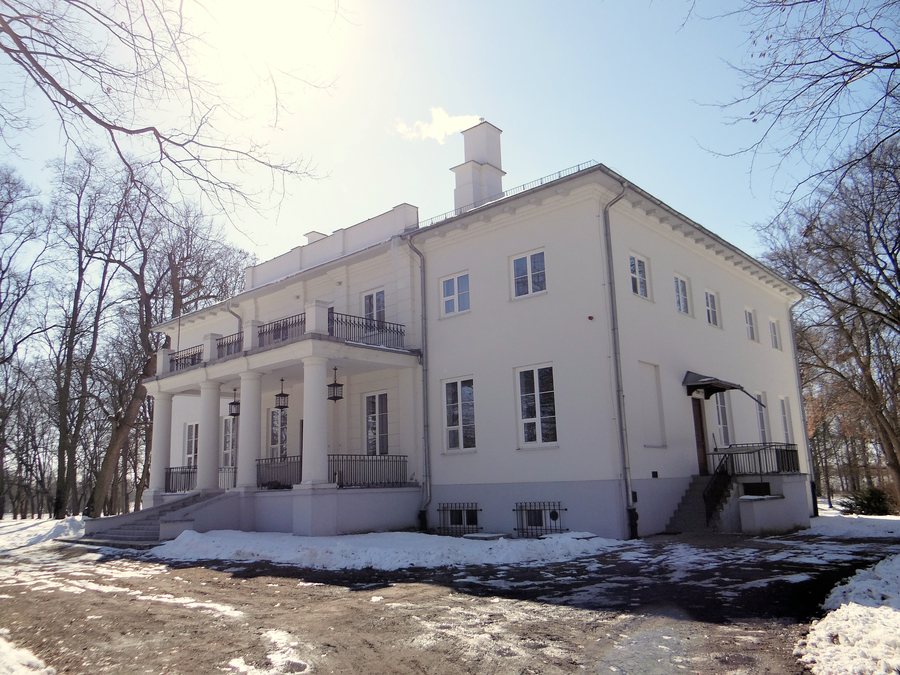
- A manor house and park from a former noble estate have been preserved.
- The former estate of the Zabłocki family included a steam distillery; the former estate granary is listed in the register of monuments.
What historical themes can you encounter in Rybno?
Rybno’s historical traces highlight a variety of themes. The hill is a memorial site with a clear connection to the local community: it commemorates parish members who fell on the Eastern Front in the First World War. Alongside the history of buildings and estates, it also brings the memory of people from the community into focus.
Among the buildings, you can distinguish the preserved mill and the bell tower of St Bartholomew’s Parish Church. The mill at ul. Wyszogrodzka dates from the second half of the 19th century. The church tower is detached and two storeys high; parish priest Grzegorz Grudziński had it built in 1845 in the style of the church. These details make the two buildings distinct starting points for exploring Rybno’s cultural history.
What is part of the history of the former estate?
The former noble estate is also associated with several distinct features. A manor house and a park have been preserved. The former estate of the Zabłocki family also included a steam distillery. This describes what the estate once contained; it does not mean that the distillery still exists today.
Another part of the estate’s history is the former estate granary, which is listed in the register of monuments. The former noble estate includes a preserved manor house and park. This distinction helps put Rybno’s various historical associations into context, without treating all the traces as similar buildings or as facilities still in use today.
Is Rybno a good choice for a trip focused on cultural history?
Rybno is especially worth considering if you are interested in local remembrance, historic buildings or the history of a former estate. The themes mentioned range from the commemoration of those who fell in war to the mill and church tower, as well as the manor house, park, steam distillery and estate granary.
If you would like to compare other destinations, you can also consult the town pages for Sochaczew, Brochów, Nowe Gnatowice and Teresin.
FAQ
What does the hill in Rybno commemorate?
It commemorates parish members who fell on the Eastern Front in the First World War.
When was the mill at ul. Wyszogrodzka built?
The preserved mill dates from the second half of the 19th century.
What is known about the parish church’s bell tower?
The detached, two-storey tower was built in 1845 by parish priest Grzegorz Grudziński in the style of the church.
What traces of the former estate are mentioned?
The manor house and park have been preserved. The former estate of the Zabłocki family included a steam distillery; the former estate granary is listed in the register of monuments.
For the broader travel overview: Sochaczew County.

