
Zwoleń: Discover Culture and History
Accommodation in Zwoleń
In Zwoleń, historical landmarks meet places associated with Jan Kochanowski. The church, museum, and memorial sites shape the city’s cultural character, while a recreation area adds outdoor activities. When planning, you can weigh which themes you would like to define your stay most.
Zwoleń at a Glance
- The Church of the Exaltation of the Holy Cross houses a chapel with a 17th-century altar.
- The Regional Museum features permanent and temporary exhibitions devoted to Jan Kochanowski and the region.
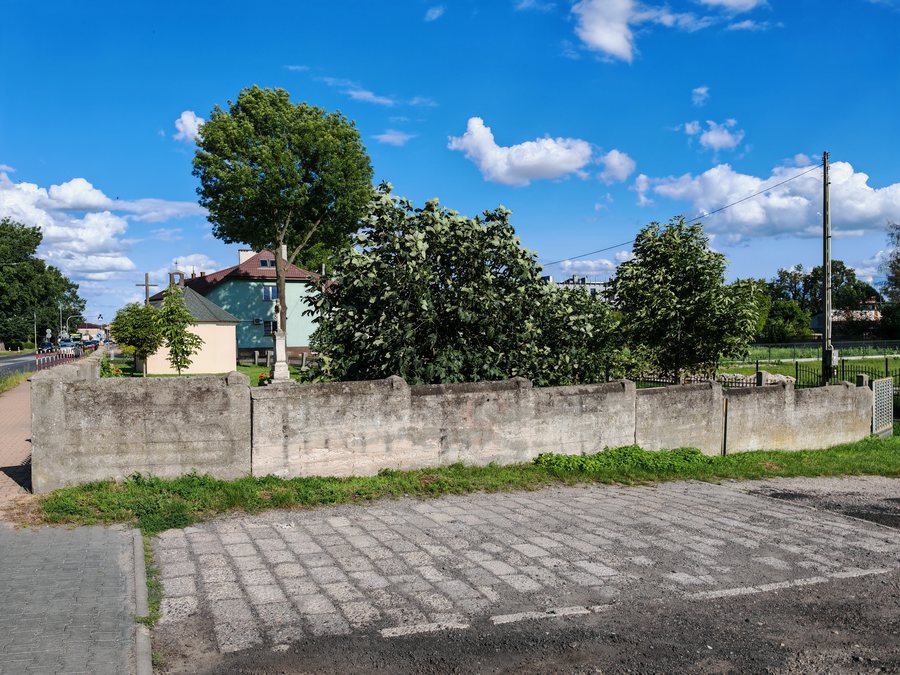
- Several monuments commemorate war, uprisings, and residents of the region who have died.
- On August 28, 2024, there was a recreation area behind Zwoleń’s municipal stadium; the water playground beside the reservoir had just opened at the time.
What connects Zwoleń with Jan Kochanowski?
The Chapel of Saint Stanislaus is located in the Church of the Exaltation of the Holy Cross. Its wooden altar dates from the 17th century. It was donated by Zuzanna Wołucka Owadowska, a granddaughter of the poet. This brings Kochanowski’s family history into a church setting, while the Regional Museum features the poet alongside the region in its exhibitions.
The regional center at the Jan Kochanowski necropolis is also part of this theme. The crypt of Jan Kochanowski and the center were ceremonially opened to visitors on June 24, 2012. The center houses historical church furnishings and mementos from the Kochanowski family. The museum, chapel, and center offer different points of focus: exhibitions, a work of craftsmanship, and items from the poet’s family circle. This gives you a common thread if you are particularly interested in the poet during your stay.
What stories do the memorial sites tell?
The Pomnik Nieznanego Żołnierza monument bears a commemorative plaque dating from 1925. It remembers residents of the Zwoleń region who took part in national uprisings and the First World War. The dedication thus refers to several periods of history, not just one event.
Public executions of Armia Krajowa soldiers and civilians by the Nazis took place at the Ściana Śmierci monument on April 7 and June 19, 1944. The monument was unveiled in 1958. Another memorial site is the Krzyż Katyński: it bears the names of residents of the region who died in Katyń, Starobielsk, and Ostaszków, and was unveiled in 1991. Together, these places bring different historical experiences into view. When visiting the memorials, you can consider their separate dedications and historical contexts rather than grouping them into one general commemoration.
Which recreational places are described?
On August 28, 2024, there was a recreation area behind the municipal stadium, with a large wooden gazebo, tables, and benches. The water playground beside the reservoir was reported as having just opened on the same date; several water-play features were mentioned. If you would like to include these places in your plans, check their current status before visiting.
When searching for a hotel, you can first consider whether you want to focus more on the cultural and historical sites or on the recreational areas described here. The church, museum, and memorials form the clearest thematic connection; the recreation areas add a different perspective on the city. Discover more destinations: Kopiec, Przyłęk.
FAQ
Who donated the altar in the Chapel of Saint Stanislaus?
Zuzanna Wołucka Owadowska, a granddaughter of Jan Kochanowski, donated the 17th-century wooden altar.
What events does the commemorative plaque at the Pomnik Nieznanego Żołnierza remember?
The 1925 plaque is dedicated to residents of the Zwoleń region who took part in national uprisings and the First World War.
What is known about the water playground by the reservoir?
On August 28, 2024, the water playground had just opened; its features included several water-play options. Check its current status before visiting.
For the overarching travel guide: Zwoleń.

