
Frączków: Palace, Park and Cycling Route
Accommodation in Frączków
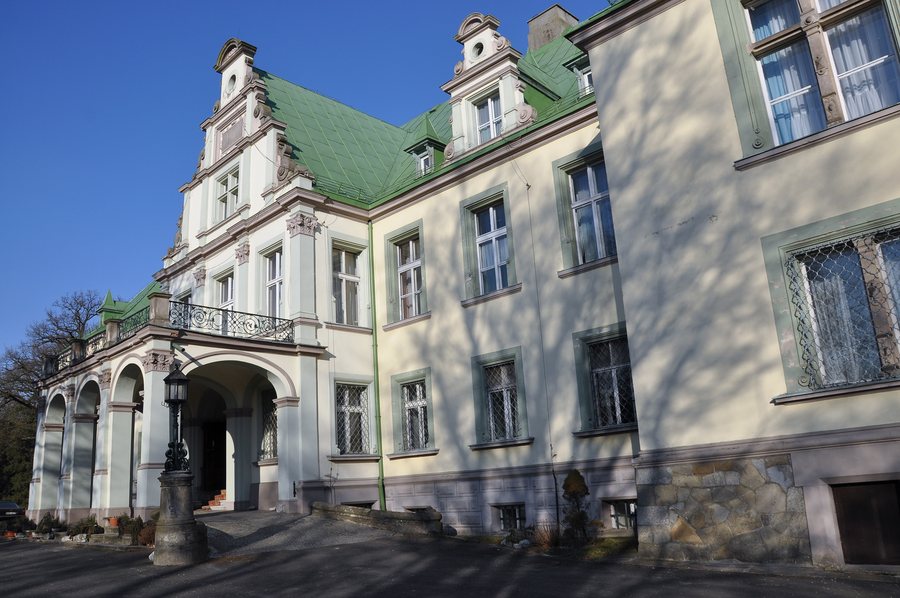
Several historical and tourism themes come together in Frączków: the palace, with its Neo-Gothic and Neo-Romanesque features, the English-style park and the R-57 cycling route. These different points of interest can help you decide how the place fits your own interests when planning your trip.
Key facts about Frączków
- The palace was first mentioned in 1720.
- Its present architectural form took shape towards the end of the 19th century, when Neo-Gothic and Neo-Romanesque features were added.
- The palace is surrounded by a 23-hectare English-style park, laid out in 1860.
- The palace and park are described as an interesting stop on cycling route R-57.
What do the dates tell us about the palace’s history?
The dates refer to different periods in its history: 1720 is the palace’s first recorded mention, not the stated date of its construction. Its present architectural form took shape only towards the end of the 19th century, when Neo-Gothic and Neo-Romanesque features were added. Those interested in architectural history can distinguish between the early mention and the later design, rather than reading both details as a single construction date.
The park is also part of the historical context for understanding Frączków. It was laid out in 1860 and surrounds the palace. The park and the building therefore point to different dates: the park was established before the palace took on its present form. This sequence is one specific way to distinguish the features of the place described here.
What role do the park and the coach house play?
The 23-hectare English-style park is a distinct landscape feature of the area and is also connected to the palace. A historic coach house is also located near the palace. It adds to the area’s historical character.
What should cyclists know about R-57?
The palace and its park are described as an interesting stop in connection with cycling route R-57. A separate detail is that a publicly accessible rest, recreation and leisure area was planned in Frączków beside the road followed by the route, for tourists using it. For orientation, these are two different pieces of information: one identifies the palace and park as a stop, while the other concerns a planned facility on the road used by the route.
How can you factor Frączków into your accommodation search?
The available information about the area focuses on different things: historic architecture and the park on the one hand, and its connection to the cycling route on the other. Consider which of these matters more for your trip planning, and use it as a starting point when searching for a hotel in Frączków. Compare the details of specific offers with your own plans.
If you’d like to discover more destinations: Otmuchów, Nysa, Ścibórz, Jarnołtówek, Paczków, Głuchołazy.
FAQ
Was the palace built in 1720?
1720 is the year it was first mentioned. Its present architectural form took shape towards the end of the 19th century.
When was the park laid out?
The 23-hectare English-style park was laid out in 1860.
Is the planned rest area on R-57 available?
The rest, recreation and leisure area was planned as a publicly accessible facility for tourists on R-57.
For the broader travel overview: Nysa.

