
Wiluki: Buildings, votive crosses and monumental junipers
Accommodation in Wiluki
Wiluki offers several clearly distinct themes for visitors: older buildings, votive crosses and monumental junipers shape the local attractions. The regional Białowieża–Topiło–Wiluki hiking trail also passes through five nature reserves and ends in the village. When planning your visit, it is therefore worth treating the village and the hiking route as separate focal points.
Wiluki at a glance
- Several original older buildings from the first half of the 20th century are among the attractions.
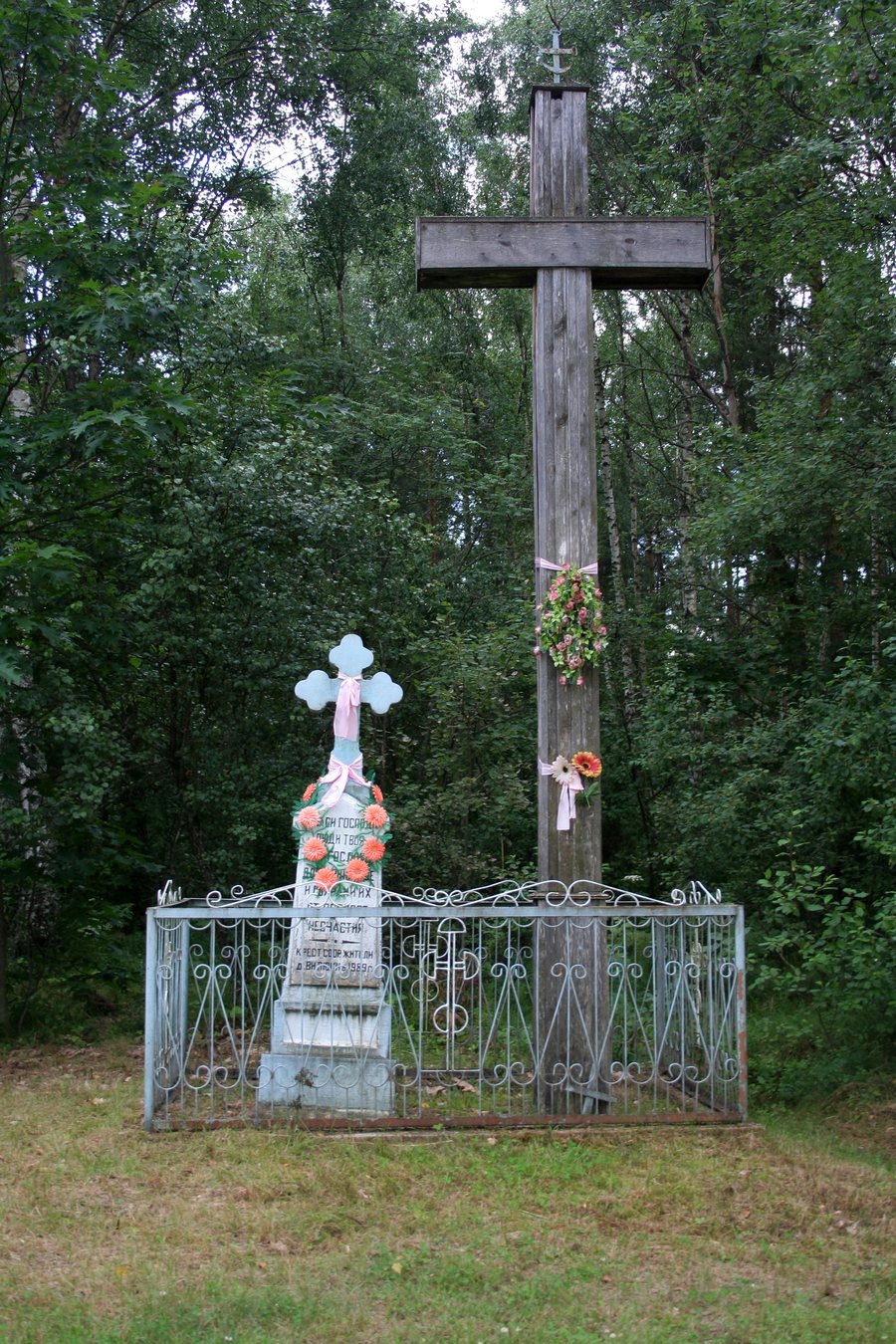
- Wiluki has several votive crosses and monumental junipers.
- The Białowieża–Topiło–Wiluki hiking trail passes through Podcerkwa, Berezowo, Olszanka, Myśliszcze and Michnówka, and ends in the village of Wiluki.
- The five nature reserves mainly protect habitats for butterflies and burnet moths.
What makes Wiluki distinctive?
Wiluki’s attractions include several original older buildings from the first half of the 20th century. This date gives the architectural theme a specific historical context. Several votive crosses add a religious motif to the buildings, while the monumental junipers bring a landscape theme into the selection of things to see. This gives visitors a range of starting points: architecture and its historical context, crosses as cultural symbols, and natural features.
You can choose a starting point based on your interests rather than categorizing Wiluki broadly as either a cultural or nature destination. The buildings provide a historical perspective, while the votive crosses and junipers draw attention to other aspects of the village. For a visit, this mainly means choosing a personal focus, not limiting yourself to just one kind of attraction.
How does the hiking route pass through the region?
The Białowieża–Topiło–Wiluki hiking trail is part of the wider region. It passes through the Podcerkwa, Berezowo, Olszanka, Myśliszcze and Michnówka nature reserves and ends in the village of Wiluki. This makes Wiluki both the endpoint of a regional route and a village with its own attractions. The route therefore encompasses more than the features you can see directly in the village.
The five nature reserves mainly protect habitats for butterflies and burnet moths. This gives nature enthusiasts a specific focus for the hike: the protection of these habitats. This regional perspective differs from a village visit focused on the older buildings, votive crosses or junipers. If you are planning the route, check current trail conditions in advance.
Which focus suits your travel plans?
Two different perspectives can help you decide: the attractions in Wiluki itself and the regional hike through five nature reserves. If you are primarily interested in historic village settings, the older buildings can serve as a point of reference. If you would like to include nature, the route offers a connection to the protected habitats of butterflies and burnet moths. The monumental junipers add a landscape motif to the village-focused visit.
Discover more destinations: Gruzka, Siemianówka, Dubicze Cerkiewne, Łuka, Pogorzelce, Janowo, Lewkowo Stare, Tarnopol.
FAQ
What attractions are there in Wiluki?
These include several original older buildings from the first half of the 20th century and several votive crosses. Monumental junipers are also among the attractions.
Where does the Białowieża–Topiło–Wiluki hiking trail end?
The hiking trail ends in the village of Wiluki. Along its regional route, it passes through five nature reserves.
Which habitats do the nature reserves protect?
They mainly protect habitats for butterflies and burnet moths.
Go to the main travel overview: Hajnowski.

