
Discover Ugoszcz: churches, village history and a cycling route
Accommodation in Ugoszcz
Ugoszcz brings together several historical perspectives: two churches built in different years, notable architectural details and a medieval village layout that can be reconstructed. A cycling route also runs through the village. These features can help you decide whether to consider Ugoszcz for a cultural or cycling trip and then look for a hotel.
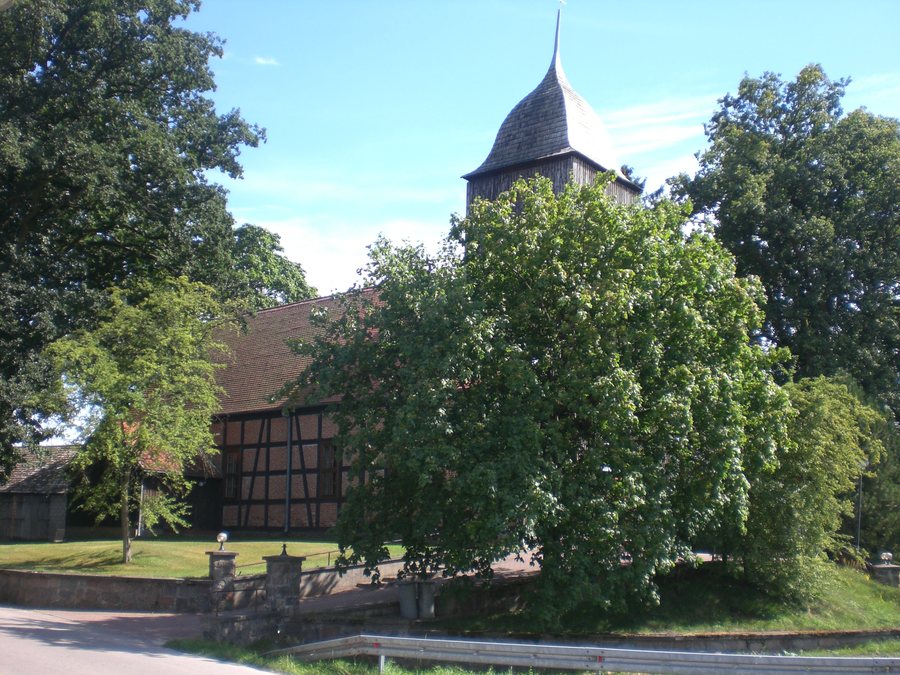
Ugoszcz at a glance
- The Church of St. Mary Magdalene was built in 1822 and shares similar regional architectural traditions with the church in Sominy.
- The Church of Our Lady of the Scapular dates from 1897.
- St. Mary Magdalene is a half-timbered church with brick infill and a stone base; its chancel is on the east side.
- The Ugoszcz–Czarna Dąbrowa cycling route is 7.0 km long and runs through Ugoszcz.
What makes St. Mary Magdalene distinctive?
The church stands on a small hill. Its rectangular plan and east-facing chancel add to the description of its half-timbered construction. The infill is made of brick, with a stone base beneath it. Together, these features give a clear picture of the building method without reducing the church to a single detail.
The furnishings also offer several dated points of reference. The high altar is a Rococo altar from the second half of the 18th century. T. Render painted the image of the Madonna and Child in 1868. There are also two side altars from the second half of the 18th century, classified as Folk Baroque. The construction date, altar styles and date of the painting thus point to different periods, which you can distinguish when viewing the church.
How do the churches and their histories differ?
At St. Mary Magdalene, the half-timbered construction and the more extensively described altar furnishings take center stage. The year 1897 is recorded as the construction date of the Church of Our Lady of the Scapular. The two churches can therefore be distinguished by their different dates: St. Mary Magdalene was built in 1822, and the second church followed in 1897. The regional architectural tradition of St. Mary Magdalene is also compared with the church in Sominy. This is a useful point of reference if you are interested in the architectural history of the churches.
What does the historic village layout reveal?
Ugoszcz is one of the villages that originated in the Middle Ages and whose oval layout can still be reconstructed. Its form has been heavily blurred and altered, so it should not be understood as an unchanged settlement. Rather, the traceable layout offers another way to explore the village’s history. Alongside the churches, this aspect draws attention to the settlement pattern: you can understand Ugoszcz not only through individual buildings, but also through the development of its village layout.
How can the cycling route help you plan?
The 7.0 km cycling route connects Ugoszcz and Czarna Dąbrowa and runs through Ugoszcz. Its stated length gives you a concrete sense of scale if you are considering cycling. The route and the village’s historical themes appeal to different interests: one point of reference is the stated route, while the other is the churches, their furnishings and the settlement’s history. This can help you decide which of these themes will shape your travel plans.
Discover more destinations: Świelubie, Bytów, Miastko, Studzienice, Borowy Mlyn, Świerzno, Gołczewo and Trzebiatkowa.
FAQ
When were the two churches in Ugoszcz built?
St. Mary Magdalene was built in 1822. The Church of Our Lady of the Scapular dates from 1897.
Which altars and painting can be found in St. Mary Magdalene?
The high altar is a Rococo altar from the second half of the 18th century. T. Render painted the image of the Madonna and Child in 1868. Two side altars from the same half of the century are classified as Folk Baroque.
How long is the Ugoszcz–Czarna Dąbrowa cycling route?
The cycling route is 7.0 km long and runs through Ugoszcz.
Go to the main travel overview: Bytów.

.jpg)