
Żukczyn: Kłodawa, mill history and Mini Zoo
Accommodation in Żukczyn
Żukczyn offers several specific points of interest for planning a trip: the Kłodawa, archaeological traces, historical links to mills, and a Mini Zoo with information about the animals and pony rides for children. Its connection to the upland plateau and the Żuławy lowlands gives the place a clear geographical context.
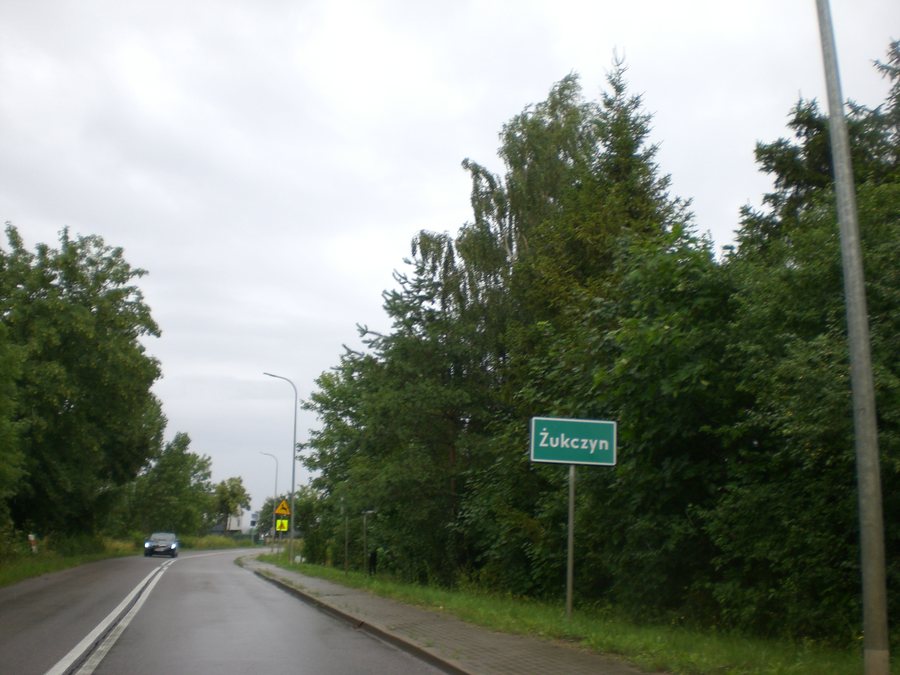
Quick facts about Żukczyn
- The Kłodawa flows through Żukczyn, linking the upland plateau with the Żuławy lowlands.
- Archaeological records include settlements and a cemetery from the Iron Age, as well as 17 objects from the period of Roman influence.
- The archaeological settlement of Żukczyn, site 14, is listed in the Polish register of monuments and the monument inventory.
- Dom Młynarza is a historic guesthouse housed in mill buildings dating from 1925.
How does the Kłodawa shape Żukczyn?
The Kłodawa flows through Żukczyn, linking the upland plateau with the Żuławy lowlands. These terms describe different types of landscape: an upland plateau is elevated, mostly level terrain, while a lowland lies at a lower elevation. The river connection is a specific point of reference for locating the town geographically. This makes it possible to place Żukczyn in its landscape context, rather than simply listing individual landscape names.
What historical traces can be found here?
The archaeological records for Żukczyn include settlements and a cemetery from the Iron Age, as well as 17 objects from the period of Roman influence. These are associated with different periods. The archaeological settlement of Żukczyn, site 14, is listed in the Polish register of monuments and the monument inventory. Archaeological traces and the listing of this site therefore offer different points of reference for exploring the history of the place.
Another historical connection leads to Wielki Żukczyn: in 1583, a watermill for grinding grain stood on the monastery estate. Dom Młynarza is a historic guesthouse in historic mill buildings dating from 1925 in Żukczyn. These refer to two separate periods: the year 1583 relates to the watermill on the monastery estate, while 1925 refers to the guesthouse buildings.
What experiences does the Mini Zoo offer?
At the Mini Zoo, visitors can ask the animal keepers questions and learn about the animals. They can also find out more about their habits, needs and diet. If, during an outing, you are interested not only in the animals themselves but also in learning about them, talking with the animal keepers and the topics mentioned offer specific opportunities to do so. For children, the operator lists pony rides daily from 11 a.m. to 3 p.m.; a souvenir photo can be taken during the ride. Check the latest information about this activity before your visit.
How do you plan your bus journey?
For journeys from Gdańsk Główny, Pruszcz Gdański and Starogard Gdański, Zwierzaki Nad Potokiem lists buses 400, 401, 443, 445 and 447. As routes and service patterns may change, check the timetable with the operator or transport company before travelling. The operator says that the nearest bus stop to Zwierzaki Nad Potokiem is a four-minute walk away. Use this time as a guide and check the conditions for the day of your journey.
Discover more destinations: Wiślina, Buszkowy Górne, Elganowo, Łęgowo, Kleszczewo, Suchy Dąb, Koszwaly, Pręgowo Górne.
FAQ
Which historical periods are archaeologically associated with Żukczyn?
Settlements and a cemetery from the Iron Age are mentioned, as well as 17 objects from the period of Roman influence.
What is offered to children at the Mini Zoo?
The operator lists pony rides for children daily from 11 a.m. to 3 p.m.; a souvenir photo can be taken during the ride. Check the latest information before your visit.
Which bus routes does Zwierzaki Nad Potokiem list?
For journeys from Gdańsk Główny, Pruszcz Gdański and Starogard Gdański, buses 400, 401, 443, 445 and 447 are listed. Check the current timetable before travelling.
For the broader travel overview: Gdańsk.

