
Suchobrzeźnica
Accommodation in Suchobrzeźnica
You can get to know Suchobrzeźnica from three different perspectives: the Krzywe Koło w pętli Wdy nature reserve, the rural settlement layout dating from the 19th and 20th centuries, and the preserved wooden architecture of the villages between Osiek and Osieczna. This lets you consider the natural surroundings, village history, and building culture as distinct reasons for choosing your destination.
Key facts about Suchobrzeźnica
- Part of the Krzywe Koło w pętli Wdy nature reserve lies within the cadastral area of Suchobrzeźnica.
- The protected area was officially designated on April 9, 1960.
- The rural settlement layout dates from the 19th and 20th centuries.
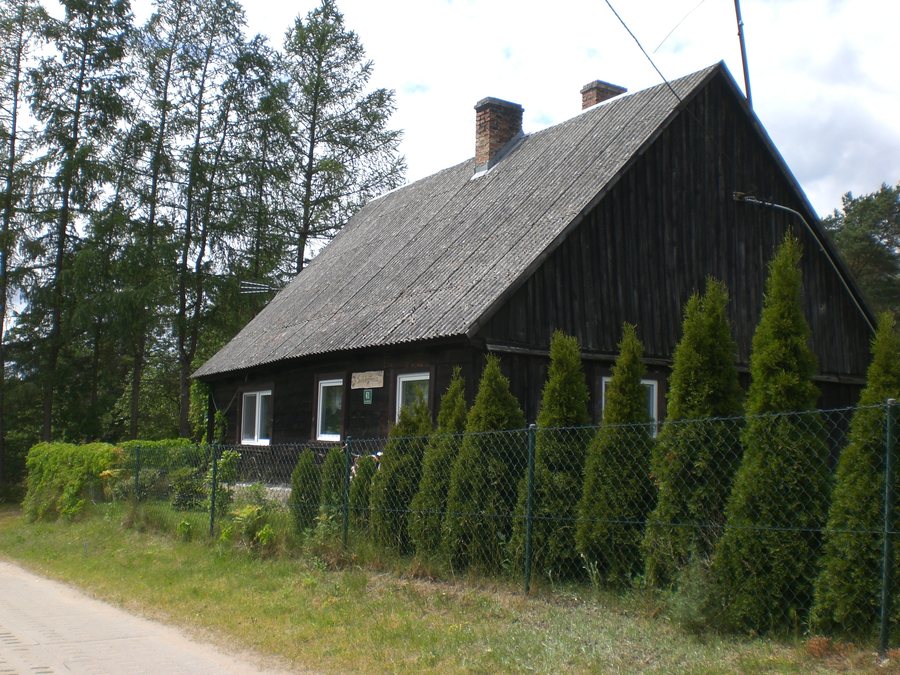
- Suchobrzeźnica is one of the villages between Osiek and Osieczna known for their preserved wooden architecture.
Which natural features are relevant when choosing a destination?
The Krzywe Koło w pętli Wdy nature reserve was officially designated on April 9, 1960; part of it lies within the cadastral area of Suchobrzeźnica. This provides a clearly named protected area through which to understand the natural side of the place. The designation date and cadastral location serve different purposes: the date places the designation in time, while the location describes its connection to Suchobrzeźnica. For choosing a destination, this is a concrete distinction between a nature-related feature and the village’s historical development. If nature reserves are among your travel interests, the name Krzywe Koło w pętli Wdy offers a specific starting point for further exploration.
What does the settlement layout tell us about Suchobrzeźnica?
Suchobrzeźnica’s rural settlement layout dates from the 19th and 20th centuries. “Settlement layout” describes the arrangement of a village as a whole. The period given therefore refers to the rural settlement form, not automatically to the construction date of each individual house. This distinction helps avoid equating the history of a place with the history of its buildings too hastily. Alongside the precisely dated year when the nature reserve was designated, this gives us a second timeframe: here, the settlement form is placed across several decades, while there, we have a specific designation date. If history matters to you, this allows you to understand Suchobrzeźnica both as a rural settlement and in relation to a more precisely dated protected area.
How does the wooden architecture fit into the regional context?
Suchobrzeźnica is one of the villages between Osiek and Osieczna known for its preserved wooden architecture. This places the village in a regional context: the feature is attributed to the group of villages to which Suchobrzeźnica belongs. For travelers interested in culture, this adds an architectural perspective to the rural settlement layout. The two details describe different aspects. The layout focuses on the overall form of the village; wooden architecture refers to the building culture for which the group of villages is known. If you want to consider both settlement structure and regional building culture when choosing a destination, Suchobrzeźnica offers two distinct points of interest.
Discover more destinations: Białachowo, Siwialka, Osiek K Skórcza, Osiek, Studzienice, Koźmin, Skorzenno, Czarna Woda.
FAQ
When was the Krzywe Koło w pętli Wdy nature reserve designated?
It was designated on April 9, 1960. Part of the protected area lies within the cadastral area of Suchobrzeźnica.
What period does the rural settlement layout date from?
Suchobrzeźnica’s settlement layout is dated to the 19th and 20th centuries.
What connects Suchobrzeźnica with preserved wooden architecture?
Suchobrzeźnica is one of the villages between Osiek and Osieczna known for their preserved wooden architecture.
For the main travel overview: Preußisch Stargard.

