
Nowy Dwor Wejherowski: Forests, Bogs and Culture
Accommodation in Nowy Dwor Wejherowski
Nowy Dwor Wejherowski brings together several nature and cultural themes: wooded areas with agricultural enclaves, a bogland area around the village, and a historic wayside chapel. A gentle hike and a cycling loop of about 50 kilometres round out the options for your stay.
Key facts about Nowy Dwor Wejherowski
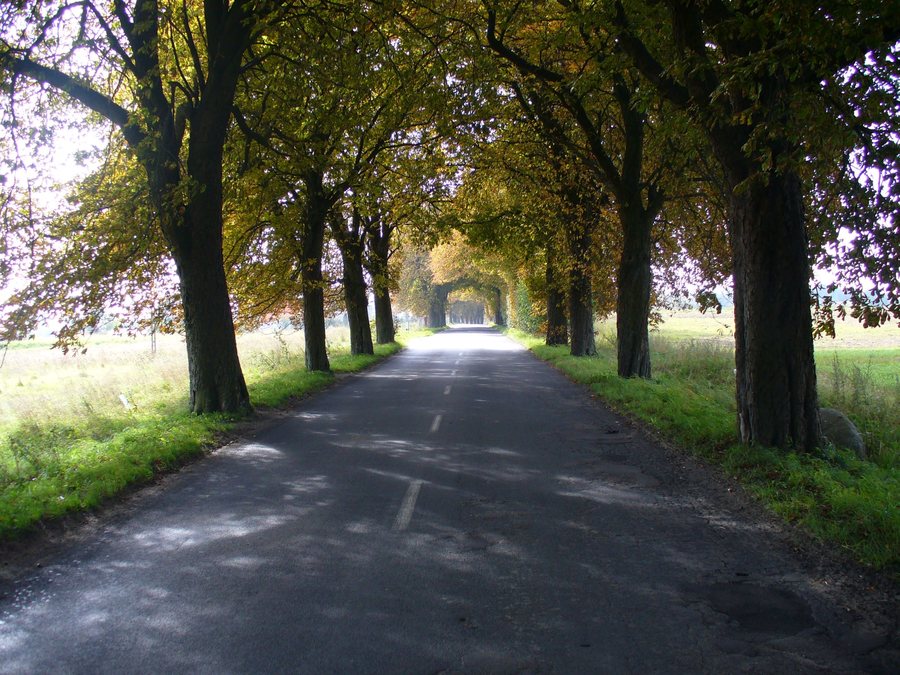
The Trójmiejski Landscape Park includes wooded areas in Nowy Dwor Wejherowski, with agricultural enclaves within the forest. The Bieszkowickie Moczarów area consists of bogs around the villages of Bieszkowice and Nowy Dwór Wejherowski. A small-leaved lime tree is designated a natural monument: it is 21 metres tall and 180 years old. Cultural history includes a 19th-century wayside chapel and a former school building from the first quarter of the 20th century.
What kind of landscape defines the village?
The description of the Trójmiejski Landscape Park highlights more than just forest: agricultural enclaves lie within the wooded areas. Bieszkowickie Moczarów is another landscape feature. Its bogs lie around Bieszkowice and Nowy Dwór Wejherowski. Forest areas interspersed with agricultural land and a bogland area are distinct aspects of the landscape to consider when choosing a nature theme for your trip.
A single natural monument complements these broader landscapes: the small-leaved lime tree in Nowy Dwor Wejherowski. Its recorded height is 21 metres and its age is 180 years. This brings both landscape areas and a particular tree with documented measurements into focus as part of the destination’s character.
Which historic sites are worth visiting?
The rural wayside chapel stands at the corner of Szkolna and Wejherowska Streets in Nowy Dwor Wejherowski. It dates from the 19th century and is built of masonry. It is also listed in the municipality’s heritage conservation programme for 2024–2027. Its location, construction date, and building material give the chapel a clearly defined historical profile.
The former school building next to the post office is also built of masonry. It dates from the first quarter of the 20th century. The description “former school building” records its previous function. The parish of pw. Stygmatów Św. Franciszka and its parish office are located at 1 Ks.-Jana-Pawłowskiego Street, 84-206 Nowy Dwór Wejherowski. These religious and historical landmarks complement the village’s nature themes.
What opportunities are there for hiking and cycling?
There is an easy 7.9-kilometre hike in Nowy Dwor Wejherowski. For a cycling trip, the Kielno–Nowy Dwór Wejherowski–Kielno loop is an option; it is about 50 kilometres long.
Lake Borowo lies along the cycling loop near Nowy Dwór Wejherowski and can serve as a rest stop, especially in summer. If you are considering the loop while planning your trip, the lake is a named landmark along the way. The hike and cycling loop offer different ways to get around.
See more pages about Nadole, Reda, Łężyce, Kopalino, Jeleńska Huta, Choczewo, Dobrzewino and Osetnik.
FAQ
How long is the cycling loop through Nowy Dwór Wejherowski?
The Kielno–Nowy Dwór Wejherowski–Kielno loop is about 50 kilometres long.
Which hike is mentioned for Nowy Dwor Wejherowski?
There is an easy hike that is 7.9 kilometres long.
What are the characteristics of the wayside chapel?
It dates from the 19th century, is built of masonry, and stands at the corner of Szkolna and Wejherowska Streets. It is listed in the municipality’s heritage conservation programme for 2024–2027.
For the broader travel overview: Neustadt.

