
Discover Lędziny: Churches and Marked Trails
Accommodation in Lędziny
Get to know Lędziny through its churches and two marked trails. The trail descriptions differ in their colors, routes, and the churches they pass. There are also historic sites in Lędziny and Hołdunów, offering a distinct focus for planning your trip.
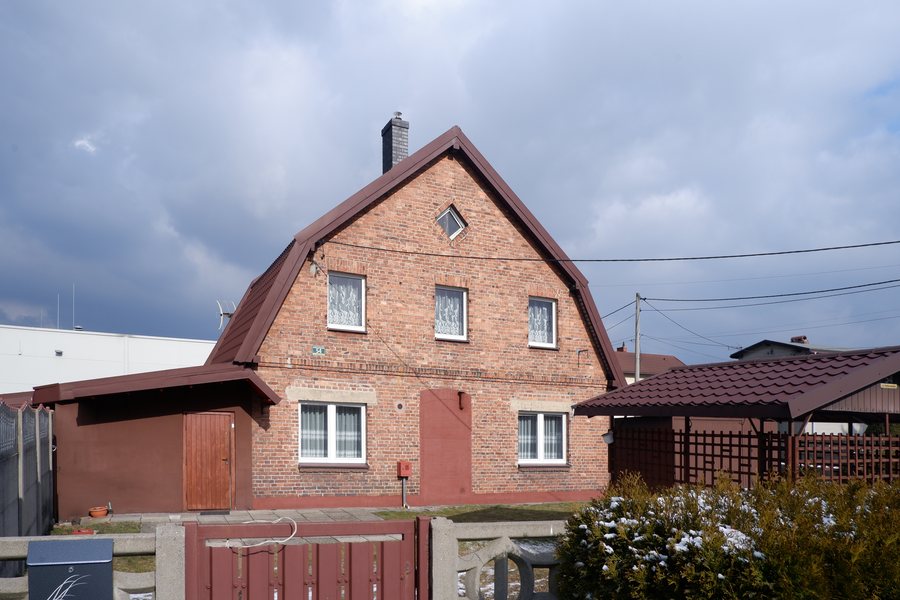 File:Lędziny, Hołdunów, Hołdunowska 54.jpg
Photo: Kamil Czaiński via Wikimedia Commons, CC BY-SA 4.0
File:Lędziny, Hołdunów, Hołdunowska 54.jpg
Photo: Kamil Czaiński via Wikimedia Commons, CC BY-SA 4.0
Lędziny at a glance
The green-marked Szlak Krawędziowy GOP runs through the Lędziny district and passes St. Anne’s Church. The blue-marked Szlak Hołdunowski runs through Hołdunów along Gajowa Street and passes the Church of the Holy Trinity. In Lędziny, St. Clement’s Church was built between 1769 and 1772; in Hołdunów, you’ll find an Evangelical cemetery with an 18th-century chapel.
Which marked trails pass churches?
The green-marked Szlak Krawędziowy GOP runs through the Lędziny district and passes St. Anne’s Church. Its description thus links two specific landmarks: the green marking and the church along the trail. If this is the trail you’re interested in first, you can use these places as reference points when making your choice.
The blue-marked Szlak Hołdunowski takes a different route: it runs through Hołdunów along Gajowa Street and passes the Church of the Holy Trinity. Its color, district, street, and church give you several distinguishing features. This makes it easy to tell the trail description apart from that of the green Szlak Krawędziowy GOP without treating them as a single shared route.
Which churches and historic details shape the town?
St. Clement’s Church in Lędziny was built between 1769 and 1772. An image of the church was included in Lędziny’s coat of arms. The building therefore brings together two distinct aspects: its recorded construction dates and its depiction in the coat of arms. If you’re interested in a place’s history, both can serve as specific points of interest during your visit.
In Hołdunów, the Evangelical cemetery contains an 18th-century cemetery chapel with a shingle roof. The site is also associated with Johann Christian Ruberg: he was buried there in 1807 and invented the zinc smelting process known as “Silesian.” The chapel, its roof, and Ruberg’s story are distinct details of the same cemetery. They give Hołdunów’s historic character a different focus from Lędziny’s building history and coat of arms.
How do the historic points of interest differ?
A simple comparison can help you choose based on your interests: for the trails, you can compare their marking colors and the church named for each. In Lędziny, the historic focus is on the construction date of St. Clement’s Church and its inclusion in the town’s coat of arms. In Hołdunów, an 18th-century cemetery chapel and Ruberg’s burial there in 1807 are linked with a historic inventor. These differences give you several themes to help plan how to spend your time in Lędziny.
Discover more destinations: Bieruń.
FAQ
Which church is on the green Szlak Krawędziowy GOP?
The green-marked trail passes St. Anne’s Church in the Lędziny district.
How can you recognize the Szlak Hołdunowski?
It is marked in blue and runs through Hołdunów along Gajowa Street, passing the Church of the Holy Trinity.
When was St. Clement’s Church built?
St. Clement’s Church in Lędziny was built between 1769 and 1772.
Go to the main travel overview: Bieruń-Lędziny.

