
Bytom
Accommodation in Bytom
Bytom offers a range of reasons to visit: a historic narrow-gauge railway, historic buildings, a diverse museum and natural areas on the outskirts. Which of these interests you most can shape your choice of experiences.
Quick facts about Bytom
The narrow-gauge railway operated from Bytom has been in continuous operation since 1853 and is considered the oldest narrow-gauge railway in the world still in operation. The Gothic Church of the Assumption of the Blessed Virgin Mary on the Rynek dates back to the first half of the 13th century and is the oldest building in the city. The Muzeum Górnośląskie covers archaeology, ethnography, history, nature and art, among other subjects. The Segiet Nature Reserve and Srebrna Góra lie on the outskirts of Bytom and Tarnowskie Góry.
What makes the narrow-gauge railway special?
The Górnośląskie Koleje Wąskotorowe stop at ten stations along this route, including the historic Bytom Karb Wąskotorowy station. The railway is therefore of interest not only to railway enthusiasts: its long history of operation also gives the journey a distinctive cultural and historical dimension. It has been in continuous operation since 1853 and is considered the oldest narrow-gauge railway in the world still in operation.
The ten stops provide a concrete point of reference for the route, without implying a timetable or a particular length of visit. Those interested in railway history can make the railway a focus of their trip. The historic Bytom Karb Wąskotorowy station is one of the named stops along the route.
What historical traces can you find in Bytom?
The Gothic Church of the Assumption of the Blessed Virgin Mary, the oldest building in Bytom, stands on the Rynek. Its history dates back to the first half of the 13th century. It offers a different perspective on the city’s history from the defensive walls that surrounded Bytom in the final years of the 13th century. The walls were made of quarried dolomite and had several open-backed towers.
The defensive walls were demolished at the beginning of the 19th century. Small fragments still survive behind the houses on Katowicka and Korfantego streets. Those interested in historic buildings and urban history can explore different themes: the older church and the remains of a fortification built later.
What does the Muzeum Górnośląskie offer?
The Muzeum Górnośląskie displays archaeological, ethnographic and natural history exhibits, historical documents and significant works of art. Its specialist departments cover archaeology, ethnography, history, nature and art. The breadth of its subject matter makes the museum a way to include a range of collections in your travel plans rather than focusing on a single field.
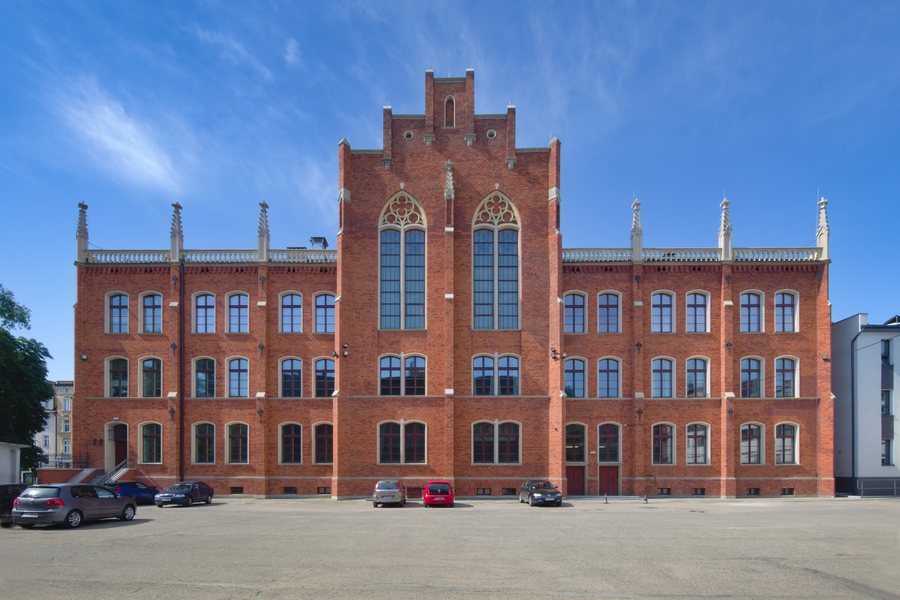
The museum currently occupies two buildings in Bytom. The two-winged main building was constructed between 1929 and 1930. The museum also uses the building and an outbuilding of the former district governor’s office for the Bytom district. The museum building at Plac Jana III Sobieskiego 2 is wheelchair accessible and has an elevator.
What nature and walking route options are there?
The Segiet Nature Reserve lies on the border between Bytom and Tarnowskie Góry. Segiet and Srebrna Góra are on the outskirts of the two cities and are listed as part of the UNESCO World Heritage Site “Tarnowskie Góry Lead-Silver-Zinc Mine and its Underground Water Management System.” This creates a distinctive connection between a natural area and its designated World Heritage context for your travel planning.
The “Bytom na 6” project describes six popular routes in Bytom, including a cycling route. This means routes are another option alongside cultural and historical attractions. The cycling route is one of the six described options; further details about route lengths or paths are not needed here to understand the range of options.
What will you learn on a tour of the Opera Śląska?
The Opera Śląska has a distinctive architectural character. A tour of the opera house covers both the history of the building and the history of the opera company’s work. This brings together two different perspectives: the architecture of the building and its role as an opera house. A visit to the opera thus complements the historic buildings and museum attractions with a cultural perspective of its own.
FAQ
When did the narrow-gauge railway begin operating?
The narrow-gauge railway operated from Bytom has been in continuous operation since 1853.
How many stations are on the route?
The trains stop at ten stations along this route, including the historic Bytom Karb Wąskotorowy station.
What fields does the Muzeum Górnośląskie cover?
Its specialist departments include archaeology, ethnography, history, nature and art.
What does the tour of the Opera Śląska cover?
It covers the history of the building and the history of the opera company’s work.
For the broader travel overview: Bytom.

