
Piekary Śląskie: Calvary, Memorial Mound and History
Accommodation in Piekary Śląskie
Piekarska Calvary combines seasonal devotion with a distinctive cultural landscape in Piekary Śląskie: processions follow the Calvary paths on certain Saturdays, while European beeches and black locusts grow among the chapels. The Mound of Liberation and a museum space in Kamień add further historical points of interest.
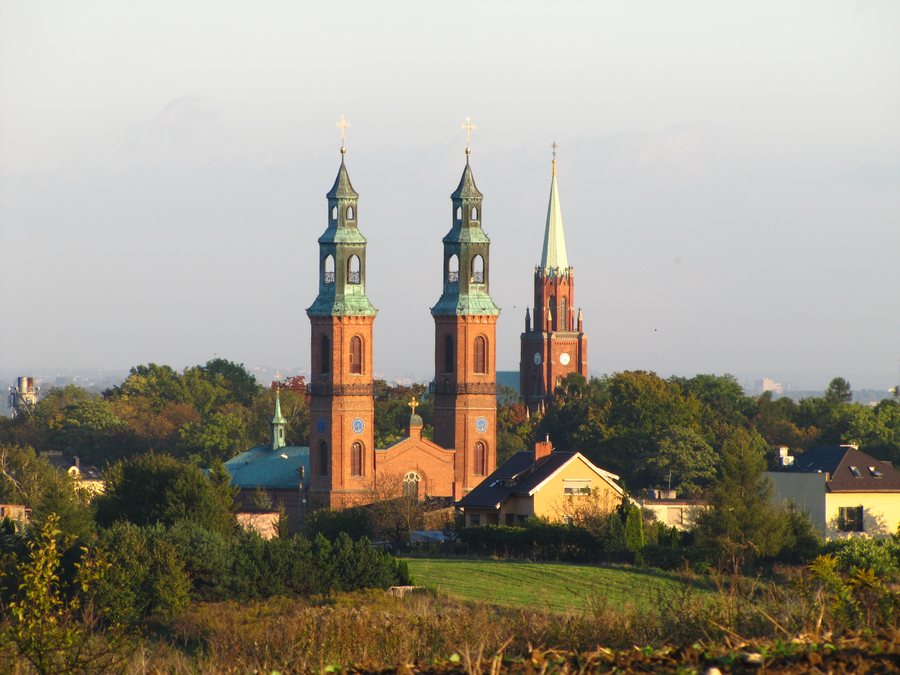
Piekary Śląskie at a glance
- The Mound of Liberation was built between 1932 and 1937. It commemorates the 250th anniversary of King Jan III Sobieski’s troops marching towards Vienna and the 15th anniversary of part of Silesia joining the re-established Poland.
- Processions take place on Saturdays during Lent and on summer Saturdays before the sanctuary’s traditional indulgence feasts.
- European beeches and black locusts grow along the Calvary paths and among the chapels. On the eastern side of Piekarska Calvary are an olive garden and the Valley of Jehoshaphat.
- In Kamień, a structure belonging to the Obszar Warowny Śląsk fortifications has been opened to visitors as a museum space. Check the current visiting arrangements before your visit.
What makes Piekarska Calvary distinctive?
The procession is a recurring seasonal act of devotion. It sets out from Rajski Plac by the basilica, passes in front of the Chapel of St Raphael and follows the Calvary paths. A brass band accompanies the procession as participants reflect on the salvific mysteries of Jesus’s suffering and death. For planning purposes, it is important to note the difference in timing: the procession takes place on certain Saturdays, while the chapels and the landscape features described here are enduring parts of the Calvary.
The locations of the individual features are also distinct: European beeches and black locusts grow along the paths and among the chapels. The olive garden and the Valley of Jehoshaphat, by contrast, are on the eastern side of Piekarska Calvary. Religious practice and these named landscape features reveal different aspects of the same place without needing to be conflated.
What story does the Mound of Liberation tell?
The Mound of Liberation was built between 1932 and 1937. Its commemorative significance brings together two anniversaries: the 250th anniversary of King Jan III Sobieski’s troops marching towards Vienna and the 15th anniversary of part of Silesia joining the re-established Poland. Thus, a historic march and a political change in Silesian history stand side by side.
The history of the Calvary, by comparison, focuses on an earlier period. In the wider destination of Deutsch-Piekarn, the plan for a Calvary as a pilgrimage site was announced on 31 December 1854 on Cerekwica Hill. Under parish priest Bernard Purkop, the project took concrete shape between 1862 and 1882. This makes it possible to distinguish the development of the pilgrimage-site project in the 19th century from the commemorative history of the Mound of Liberation in the 1930s.
What adds to the cultural picture in the wider destination of Deutsch-Piekarn?
Another cultural point of interest in the wider destination of Deutsch-Piekarn is the Sanctuary Museum in Piekary Śląskie. It opened on 12 September 2009 for pilgrims and parishioners and has three exhibition rooms. One is devoted to the history of Marian devotion and the image of Our Lady of Piekary; another displays mementos of Cardinal Karol Wojtyła’s presence in Piekary. The third room features selected exhibits from the Calvary chapels. These topics add Marian devotion, remembrance and exhibits to the historical context of the religious sites.
What should you know before visiting Kamień?
The structure belonging to the Obszar Warowny Śląsk fortifications in Kamień has been opened to visitors as a museum space by the “Pro Fortalicium” association. If you would like to include this place in your travel plans, check the current visiting arrangements in advance. The seasonal processions at the Calvary are separate from this: they take place on Saturdays during Lent and on summer Saturdays before the traditional indulgence feasts.
FAQ
When do the processions along the Calvary paths take place?
On Saturdays during Lent and on summer Saturdays before the sanctuary’s traditional indulgence feasts. A brass band accompanies the procession; its focus is the mysteries of Jesus’s suffering and death.
What does the Mound of Liberation commemorate?
It commemorates the 250th anniversary of King Jan III Sobieski’s troops marching towards Vienna and the 15th anniversary of part of Silesia joining the re-established Poland.
What can you see in the Sanctuary Museum?
The three exhibition rooms cover Marian devotion and the image of Our Lady of Piekary, mementos of Cardinal Karol Wojtyła’s presence in Piekary, and selected exhibits from the Calvary chapels.
For the wider travel overview: Deutsch-Piekarn.

