
Zaczernie – Culture and History
Accommodation in Zaczernie
If you are considering Zaczernie as a travel destination, you can explore its ecclesiastical history, regional museum and local musical traditions. The facts below will help you put these topics in context and decide what matters to you when looking for a hotel.
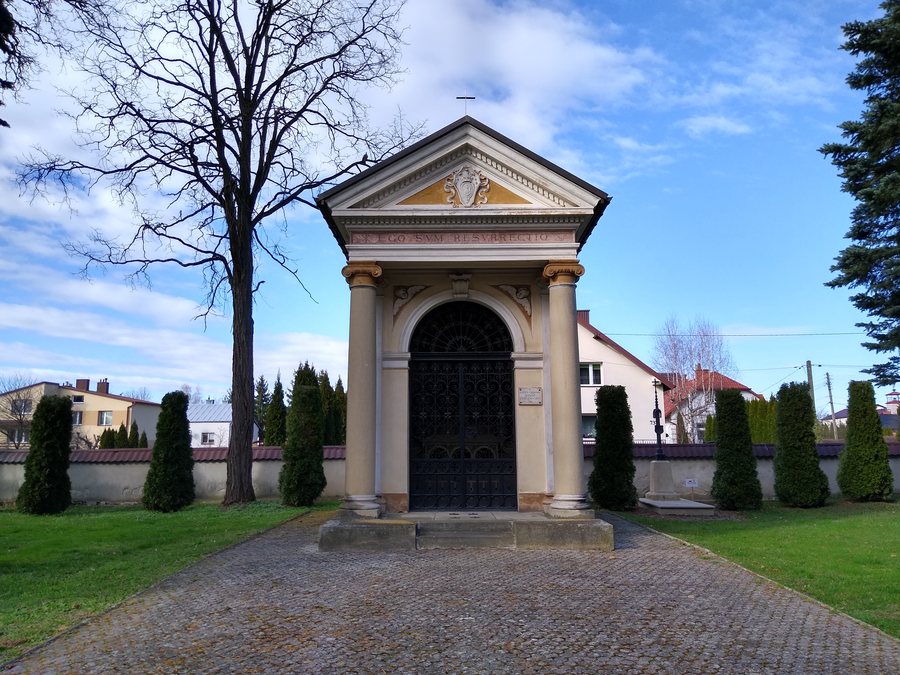 File:Zaczernie (kaplica grobowa rodziny Jędrzejowiczów).jpg
Photo: Patryk2710 via Wikimedia Commons, CC BY 4.0
File:Zaczernie (kaplica grobowa rodziny Jędrzejowiczów).jpg
Photo: Patryk2710 via Wikimedia Commons, CC BY 4.0
Zaczernie at a glance
- The parish of the Nativity of the Blessed Virgin Mary was founded in 1439.
- According to the parish chronicle, the first church was built in 1300.
- The brick church that still stands today was built between 1803 and 1806.
- The regional museum is located in the Dom Ludowy, or people’s hall.
- The historic manor park began as a manor garden in the first half of the 19th century.
- The brass band plays religious, patriotic and festive songs.
- The Żytnioki singing group preserves folk songs and older songs for special occasions.
What historical traces shape Zaczernie?
The area’s ecclesiastical history can be understood through several distinct dates. A parish chronicle dates the first church to 1300. This is separate from the founding of the parish of the Nativity of the Blessed Virgin Mary on June 29, 1439. The two dates refer to different historical events.
The brick church that stands today was built much later, between 1803 and 1806. Zaczernie’s history therefore includes a chronicle account of the first church, the date the parish was founded, and the construction period of the surviving church building. When looking at the town’s history, it is more useful to distinguish between these dates than to treat them all as a single construction date.
Another historical point of interest is the manor park. Its origins date to the first half of the 19th century, when it was laid out as a manor garden. It therefore dates from a different historical period than the founding of the parish, and adds the history of a manor garden to the town’s ecclesiastical heritage.
What cultural attractions can you find in Zaczernie?
The regional museum is housed in the Dom Ludowy. This provides a clear point of reference: the museum and the people’s hall are connected. Music is another part of local cultural life, though it takes different forms.
The brass band performs at many celebrations in the municipality and the region. Its repertoire includes religious, patriotic and festive songs. The „Żytnioki“ singing group has a different focus: it preserves folk songs as well as older songs intended for special occasions. This distinguishes two separate musical facets: a brass ensemble with a broad festive repertoire and a group that keeps traditional songs alive.
These topics may appeal to different interests when planning your trip: the history of church buildings, a museum housed in a people’s hall, or musical traditions. They provide a factual basis for deciding which aspects of Zaczernie interest you most.
How can you take cultural attractions into account when looking for accommodation?
Before comparing hotels, consider which of the topics mentioned matters most to you. The long ecclesiastical history, the regional museum and the musical groups offer different points of interest to help guide your travel plans.
Discover more destinations: Malawa, Tyczyn, Hyżne, Strażów, Zabajka, Bachórz, Górno and Styków.
FAQ
When was the first church in Zaczernie built?
According to the parish chronicle, the first church was built in 1300. This date is attributed to the chronicle.
When was the surviving brick church built?
The brick church that still stands today was built between 1803 and 1806.
What musical traditions are there in Zaczernie?
The brass band plays religious, patriotic and festive songs and performs at many celebrations in the municipality and the region. „Żytnioki“ preserves folk songs and older songs for special occasions.
For the overview of the wider area: Rzeszowski.

.jpg)