
Pustkowo
Accommodation in Pustkowo
Pustkowo combines a sandy coastline with a distinctive religious site and a short, black-marked connecting trail.
Pustkowo facts at a glance
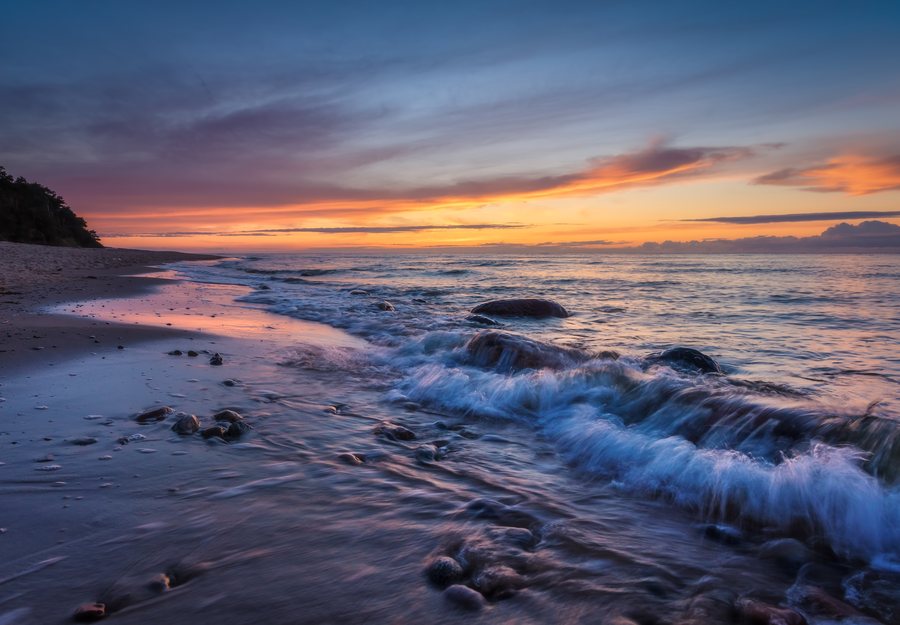
Pustkowo’s coastline is sandy and characterized by dunes and cliffs. Its landmark is the Bałtycki Krzyż Nadziei, a replica of the cross on Giewont. The “Sursum Corda” Sanctuary is located at the foot of the cross. The approximately 3-kilometre-long, black-marked Western Connecting Trail runs between Pustkowo and Pobierowo.
What makes the coastal landscape distinctive?
Dunes and cliffs shape the sandy coastline and give Pustkowo a distinctive landscape. If coastal scenery is an important factor in choosing a holiday destination, you can take this combination into account.
Beach volleyball is another activity available in Pustkowo. This adds sporting activities to the natural and cultural attractions.
What can you discover at the Bałtycki Krzyż Nadziei?
The Bałtycki Krzyż Nadziei is a replica of the cross on Giewont and is considered a landmark of Pustkowo. It was erected in May 2007 in the square on Nadmorska Street. At 19 metres tall and weighing 4.5 tonnes, it is a striking structure. Its dimensions and well-known design make it a distinctive part of the town’s history and cultural character.
The “Sursum Corda” Sanctuary is located at the foot of the cross. It is an open-air sanctuary and is considered the only sanctuary of its kind in Poland. The sanctuary is the starting point for many pilgrimages, including a walking pilgrimage to Jasna Góra and a motorcycle pilgrimage to the cross on Giewont. Both the structure itself and the pilgrimages associated with the sanctuary shape the town’s religious profile.
Which route leads to the cross?
The Western Connecting Trail begins in Pustkowo on Słoneczna Street and leads via Nadmorska Street to the Bałtycki Krzyż Nadziei. The trail is marked in black and is approximately 3 kilometres long; it runs between Pustkowo and Pobierowo. If you would like to include a route in your day’s plans, this approximate length provides a concrete guide. The route connects the named streets in Pustkowo with the cross, its destination.
The trail and the sanctuary offer different ways to shape a visit: one is a marked route of a specified length, while the other is a religious site from which pilgrimages set out. When planning your trip, you can consider whether you are more interested in walking the route, visiting the sanctuary, or exploring its religious significance.
Which natural and local features are of interest?
Three natural monuments are located in Pustkowo’s green surroundings, including old elms and a pedunculate oak. If nature and scenery are part of your choice of holiday destination, you will find trees designated as natural monuments here as well as the coastline.
For another comparison of places, you can also include Wicimice, Czaplin Mały, Rewal, Żukowo, Trzebiatów, Pogorzelica, Gryfice and Śliwin in your search.
FAQ
How long is the Western Connecting Trail?
The Western Connecting Trail is marked in black, is approximately 3 kilometres long, and runs between Pustkowo and Pobierowo.
What is the Bałtycki Krzyż Nadziei?
It is a 19-metre-tall, 4.5-tonne replica of the cross on Giewont and is considered a landmark of Pustkowo.
Which pilgrimages set out from the sanctuary?
Among the many pilgrimages that start at the “Sursum Corda” Sanctuary are a walking pilgrimage to Jasna Góra and a motorcycle pilgrimage to the cross on Giewont.
For the broader travel overview: Greifenberg.

