
Resko
Accommodation in Resko
In Resko, you can combine sacred art and local history with an active visit. When planning your trip, you might therefore consider whether you would like to discover the town mainly through its historical themes or through running and the Rega.
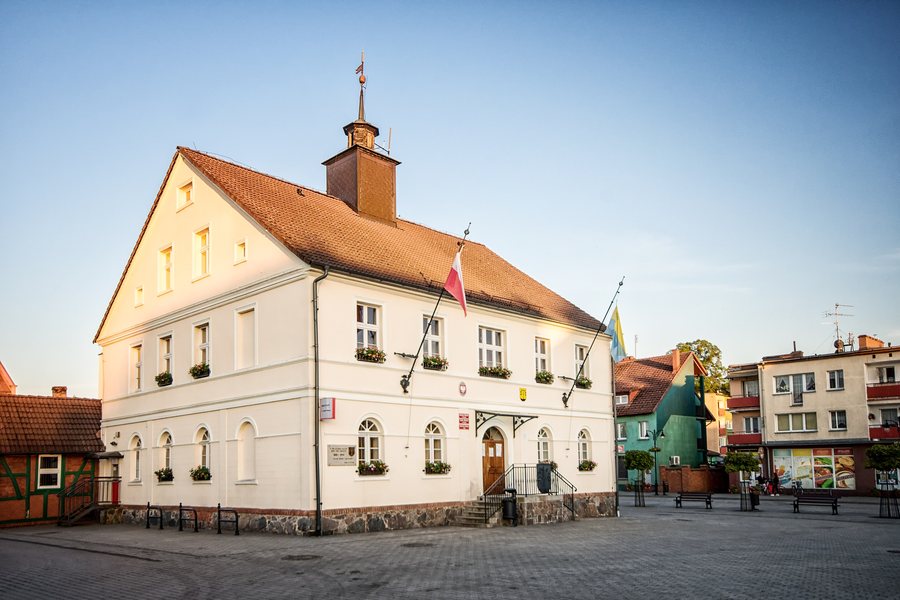
Resko at a glance
The Sanctuary of Matka Boska Reska was built around 1400 in the late Gothic style. Inside are a 17th-century altar and an 18th-century image of Matka Boska Reska. The “Resko, którego nie ma” nature trail has eight points. The Bieg o Strzałę Widanta takes place annually on 1 May and includes several running and walking formats. Two equipped canoe launch sites have also been built on the Rega.
What does the sanctuary tell us about Resko’s history?
The Sanctuary of Matka Boska Reska offers a glimpse into different historical layers. The building dates to around 1400 and is late Gothic in style; the altar and image come from later centuries. These details refer to different parts and periods: the altar dates to the 17th century, while the image of Matka Boska Reska dates to the 18th century. In one place, you can encounter both architectural history and sacred art from several periods.
If you would like to explore cultural history during your stay in Resko, these works can provide a specific focus. You can also complement your visit with the nature trail, which explores other aspects of the town’s history. The sanctuary and the trail offer different perspectives: the late Gothic building and sacred artworks on the one hand, and the town’s history through its buildings and people on the other.
What topics does the nature trail cover?
“Resko, którego nie ma” follows eight points and explores forgotten buildings and remarkable people from the town of Resko. The nature trail also presents tangible and intangible cultural heritage and the history of the region.
What active pursuits are associated with Resko?
The Bieg o Strzałę Widanta is an annual event in Resko, held on 1 May. It includes children’s and youth races, a 10 km main race and a 5 km Nordic walking march. The formats differ both in name and stated distance. If you would like to include physical activity in your trip plans, the annual date gives you a specific point of reference; choose the format that interests you.
What is the significance of Wzgórze Borków and the Rega?
Resko’s fortifications stood on Wzgórze Borków, by the Rega. The hill was artificially raised. This information adds another connection to the town’s history, complementing the history of its sacred architecture and the nature trail’s themes.
An infrastructure project has also been carried out on the Rega: two equipped canoe launch sites were built in Resko. The project also included paved areas, parking spaces and footpaths. The launch sites and the other elements mentioned give the river connection a tangible infrastructure aspect. Along with the historical significance of Wzgórze Borków, this offers another perspective on Resko, alongside its cultural history and events.
If you would like to compare other local pages, you can also find Belczna, Bonin, Łobez, Grabowo, Klępnica, Radowo Male, Wrześno and Węgorzyno here.
FAQ
What artworks are in the Sanctuary of Matka Boska Reska?
It contains a 17th-century altar and an 18th-century image of Matka Boska Reska. The sanctuary itself was built around 1400 in the late Gothic style.
When does the Bieg o Strzałę Widanta take place?
The event takes place annually on 1 May. It includes children’s and youth races, a 10 km main race and a 5 km Nordic walking march.
What can you learn on the “Resko, którego nie ma” nature trail?
The eight-point nature trail explores forgotten buildings and remarkable people from the town, and presents tangible and intangible cultural heritage as well as the history of the region.
For the broader travel overview: Labes.

.jpg)