
Dołuje: Village Layout and Lapidarium
Accommodation in Dołuje
Dołuje combines a well-preserved oval village layout with a cemetery history made visible in its lapidarium. The village’s history and preserved burial sites offer two concrete points of reference for understanding Dołuje as a travel destination.
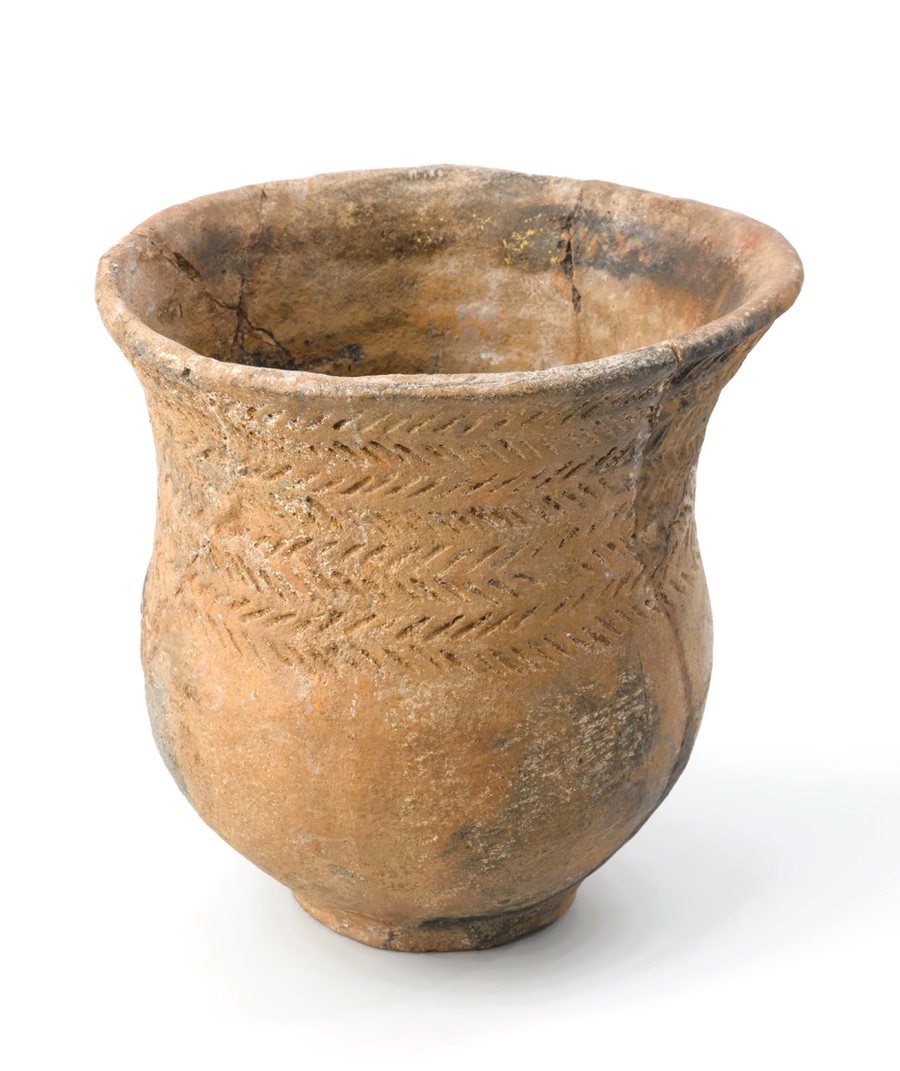 File:02023 Clay goblet of the Corded Ware culture found in Dołuje.jpg
Photo: unknown via Wikimedia Commons, CC0
File:02023 Clay goblet of the Corded Ware culture found in Dołuje.jpg
Photo: unknown via Wikimedia Commons, CC0
Key facts about Dołuje
- Dołuje is a village with a well-preserved oval layout.
- Until 1945, the village was called Neuenkirchen.
- From 1945 to 1954, Dołuje was the seat of the Dołuje municipality.
- Created in 2020, the lapidarium contains more than 170 restored tombstones.
- The 19th-century Protestant cemetery was transformed into a historical monument in 2020.
What does the village layout tell us about Dołuje?
The oval layout is one of the village’s defining features. Together with its former name, Neuenkirchen, and its precisely dated administrative role, it provides a concise framework for the village’s history. These are different kinds of information: the layout describes the shape of the village, the name points to an earlier designation, and the years 1945 to 1954 identify Dołuje as the municipal seat at that time.
This distinction is useful when weighing up your interests: Dołuje can be explored through more than a single place of remembrance. The preserved village layout is also part of the picture. The dates provide specific chronological markers, without requiring a more extensive historical overview.
What does the lapidarium include?
The lapidarium in the cemetery contains more than 170 restored tombstones. It also includes a renovated fieldstone wall, paths, and stone benches. The number of tombstones gives a tangible sense of the extent of the preserved memorials; the wall, paths, and benches identify other parts of the site. Together, these features provide a concrete setting for the lapidarium, rather than describing the place solely by its historical name.
The preserved graves in the old cemetery remain in their original locations. The lapidarium thus brings together two aspects of the cemetery’s history: restored tombstones and the location of the surviving graves. If you are interested in local history and historic burial sites, this combination offers a specific point of connection for exploring Dołuje.
How should the cemetery’s history be understood?
The Protestant cemetery dates back to the 19th century. It went unused for more than 60 years and was visited only sporadically; in 2020, it was transformed into a historical monument that invites visitors to stroll. This sequence distinguishes its earlier use from its later transformation. The invitation to stroll describes the character of the transformation, not the cemetery’s current accessibility.
A cultural stay here can be viewed through two different lenses: the village’s layout and the cemetery’s history. Those interested in historic village structures can explore the oval layout; those more interested in preserved burial sites will find a more specific thematic connection in the lapidarium.
Discover more destinations: Wołczkowo, Brzózki, Tanowo, Pilchowo, Nowe Warpno, Bezrzecze, Trzebież, Mierzyn.
FAQ
What are the most distinctive features of Dołuje’s history?
Dołuje is a village with a well-preserved oval layout. Until 1945, it was called Neuenkirchen; from 1945 to 1954, it was the seat of the Dołuje municipality.
What features does the lapidarium include?
It contains more than 170 restored tombstones, a renovated fieldstone wall, paths, and stone benches. The preserved graves in the old cemetery remain in their original locations.
When was the cemetery transformed into a historical monument?
The 19th-century Protestant cemetery was transformed in 2020. Before that, it had gone unused for more than 60 years and was visited only sporadically.
For the broader travel overview: Pölitz.

