
Sławno – Churches, City Gates and Routes
Accommodation in Sławno
Sławno combines buildings from the 14th and 20th centuries with historic city gates and a Way of St. James route that passes through the town. This lets you consider culture, routes and travel arrangements together when planning your stay.
Sławno at a glance
- St. Mary’s Church is the city’s largest building; its foundation by Duchess Zofia is dated to 1326–1364.
- The parish church of St. Anthony of Padua was built in the Neo-Gothic style in 1925–1928.
- Brama Koszalińska and Brama Słupska are first mentioned in 1453 and 1458, respectively.
- The Pomorska Droga św. Jakuba passes through Sławno; almost three kilometres of cycling paths encircle the city.
Which buildings shape the city’s history?
St. Mary’s Church is the largest building in Sławno. Duchess Zofia, the wife of Barnim IV, founded it between 1326 and 1364. The parish church of St. Anthony of Padua was built much later, in the Neo-Gothic style in 1925–1928. These different periods offer a brief overview of church construction in Sławno from the 14th to the early 20th century.
The two freestanding city gates can also be distinguished by their first recorded mentions and locations. Brama Koszalińska is first mentioned in 1453. It stands on Jedności-Narodowej Street, near Basztowa Street, in the southern part of the historic city. Brama Słupska first appears in records in 1458. It is located at the intersection of Basztowa and Skłodowskiej, north of the market square and near the bridge over the Moszczenica. These dates refer to the first recorded mentions, not the years the gates were built. The streets and their location relative to the market square are also useful for getting your bearings.
What should you know when planning cultural activities and events?
The museum room in the cultural centre is part of local heritage and remembrance. It was established at the initiative of Joanna and Zbigniew Kluszczyński to share regional history and commemorate 700 years of municipal rights for Sławno. Alongside the churches and city gates, the town’s history and regional heritage are therefore also themes to explore.
Sławno’s Regional Tourist Information Centre is located in the PKP railway station building and provides information about accommodation and dining. It can help you with two practical aspects of planning your stay, without requiring you to treat culture and amenities as separate topics.
The annual events held on fixed dates include the nationwide Festival of Brass Bands. In 2022, it was held for the 52nd time; its history dates back to 10 June 1969. Sławno also holds the annual International Święców Day with the Fair of Many Cultures on fixed dates. Dates and programmes may vary, so check the information for your planned visit before travelling.
Which routes and rail connections can help you plan?
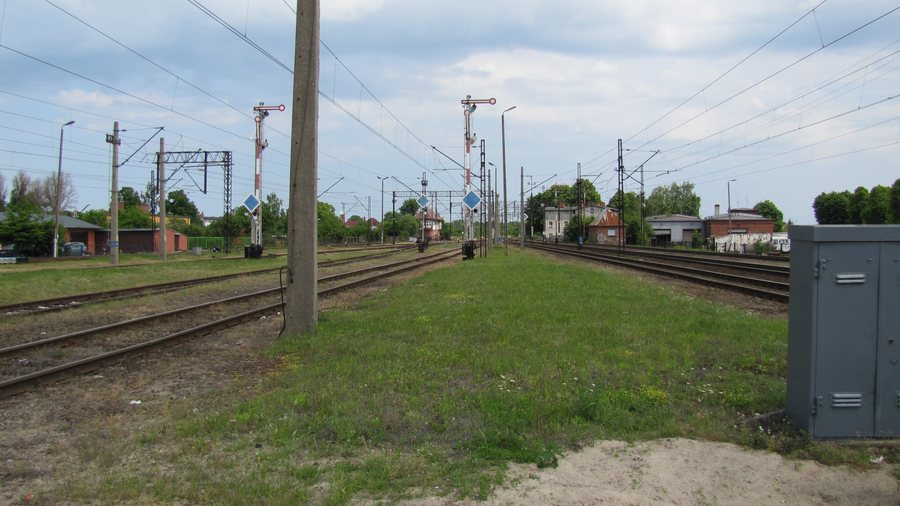
The railway station is in the western part of the city and was built in the 1860s. From the wider Sławno travel area, there are direct train connections to Warszawa, Szczecin, Gdańsk, Poznań and Kraków. Check the timetable for your travel date when planning your journey.
There are two different points of reference for planning routes: the Pomorska Droga św. Jakuba passes through Sławno, while almost three kilometres of cycling paths encircle the city. The described cycling route runs from Kościelna Street, past the municipal gymnasium and stadium, along Kąpielowa Street to the Polish Military Organisation Park. This illustrates the difference between a route that passes through the town and a cycling network that encircles it. Before setting out on a specific ride, check the current route and the condition of the cycling infrastructure.
Discover more destinations: Cisowo, Domasławice, Kopań, Bobolin, Żukowo, Noskowo, Rusinowo, Borkowo.
FAQ
What distinguishes the two city gates?
Brama Koszalińska is first mentioned in 1453 and stands in the southern part of the historic city, near Basztowa Street. Brama Słupska is first mentioned in 1458 and lies north of the market square, at the intersection of Basztowa and Skłodowskiej, near the bridge over the Moszczenica. These dates are first recorded mentions, not the years the gates were built.
Which routes can you include in your plans?
The Pomorska Droga św. Jakuba passes through Sławno. The cycling network encircles the city for almost three kilometres; the described route runs from Kościelna Street to the Polish Military Organisation Park. Check the current route and the condition of the cycling infrastructure before your ride.
Which events should you keep in mind?
The annual Festival of Brass Bands and International Święców Day with the Fair of Many Cultures are part of the cultural programme. The 52nd edition of the Festival of Brass Bands took place in 2022. As dates and programmes may vary, check the information for your planned visit before travelling.
For the wider travel overview: Sławno.

