
Apața Between Its Church Ensemble, Festive Customs, and Nature
Accommodation in Apața
Apața offers three thematic perspectives: historic buildings, calendar-based customs, and nature observation. You can consider these areas separately and weigh them according to their temporal context, type of activity, or landscape theme. This creates a picture of the place that presents cultural heritage, festive traditions, and different natural environments side by side.
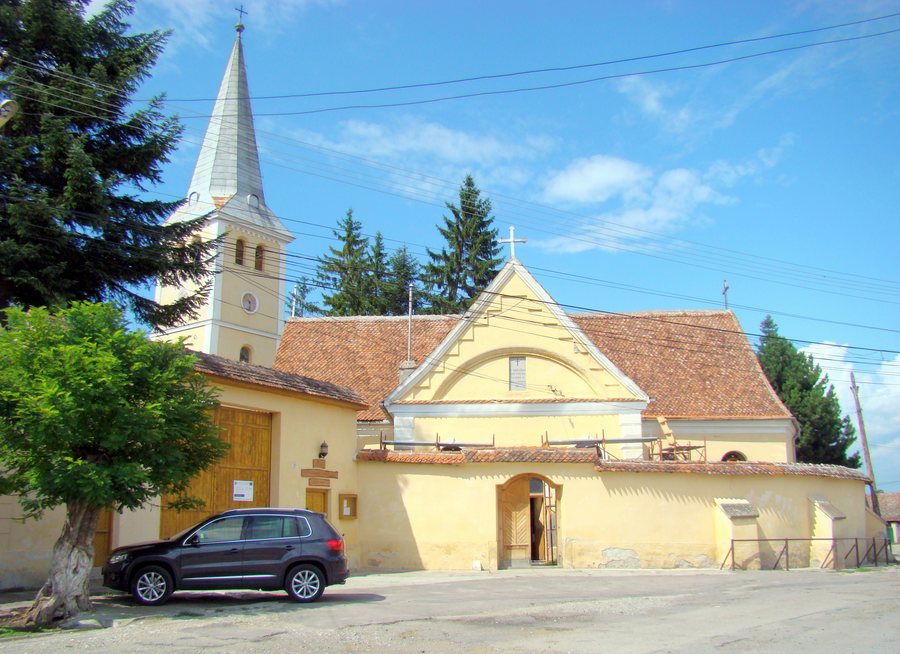 File:Ansamblul bisericii evanghelice din Apata.jpg
Photo: Țetcu Mircea Rareș via Wikimedia Commons, CC BY-SA 4.0
File:Ansamblul bisericii evanghelice din Apata.jpg
Photo: Țetcu Mircea Rareș via Wikimedia Commons, CC BY-SA 4.0
When choosing a hotel in Apața, travel dates, room category, and cancellation conditions can serve as objective comparison criteria. The cultural sites, customs, and natural areas of the place are separate topics that can each be viewed according to their own character.
Culture and History
The Evangelical church at Str. Mare 380 in Apața dates from the 18th century. The Evangelical church ensemble at the same address dates from the 18th and 19th centuries; its bell tower dates from the 19th century. When looking at the architectural history, the church building, ensemble, and tower represent different points of reference. The address thus brings together a single sacred building with the ensemble, which spans a broader period, and its tower.
Apața's tourist attractions include the statue and memorial house of the philosopher Apaczai Csere Janos. These two sites complement the architectural perspective with a biographical and historical one. You can distinguish between architecture and personal history when choosing your own focus; both perspectives belong to culture, but they lead to different viewpoints.
Customs and Festivals
Împușcatul cocoșului is a traditional custom of Apața's Hungarian community. The ceremony takes place on the first day of the Catholic Easter celebration. In its present-day form, the ceremony includes aiming at and shooting a marked rooster with a crossbow. The festival ends with a meal featuring regional dishes. The occasion, procedure, and culinary conclusion are clearly distinguishable components of the same custom.
Carnavalul in Apața takes place before the Catholic and Reformed fasting period. During Fărșang, a procession of masked young people moves through the village and collects eggs and money. Fărșang originated more than two centuries ago. The two festival references therefore differ both in their timing and in the activities described and cannot be reduced to a single tradition.
Nature and Landscape
The municipality of Apața owns 1% of the Pădurea Bogata nature reserve. Tracking is possible in the Valea Borzumului tourist area and on the marked trails in its surroundings. These details combine a precisely quantified share of the nature reserve with a named tourist area and a trail-based activity described there or in its vicinity.
The rich wildlife of Pădurea Bogății offers tourists opportunities for photographic observation, known as “photohunting.” Thus, the share of the nature reserve, marked trails, and wildlife observation represent different connections with nature, while the respective names define the geographical context of each detail.
Peștera Bârlogul Ursului is a fossil cave with galleries up to 400 m long.
To the overarching travel overview: Apata.

