
Brănești between riverbank, lake and cultural history
Accommodation in Brănești
Brănești combines a waterside location with archaeological, religious and ethnographic connections. The town lies on the left bank of the Pasărea River. In Lake Brănești, southwest of the village of Brănești, lies the archaeological settlement of Ostrov, a registered Neolithic site. Pottery fragments and anthropomorphic statuettes of the Gumelnița culture were discovered on Ostrov; they attest to a Neolithic cultural and civilizational site there.
Nature
Brănești lies in a clearing amid the former forests of Vlăsia. For geographic context, the town also includes a share of the ROSPA0122 Lacul și Pădurea Cernica bird protection area: it amounts to 4%. The riverbank, lake, clearing and protected area represent different geographic connections. The landscape can therefore be described through its waterside location, its historic forest surroundings and its designated share of the protected area.
Culture and History
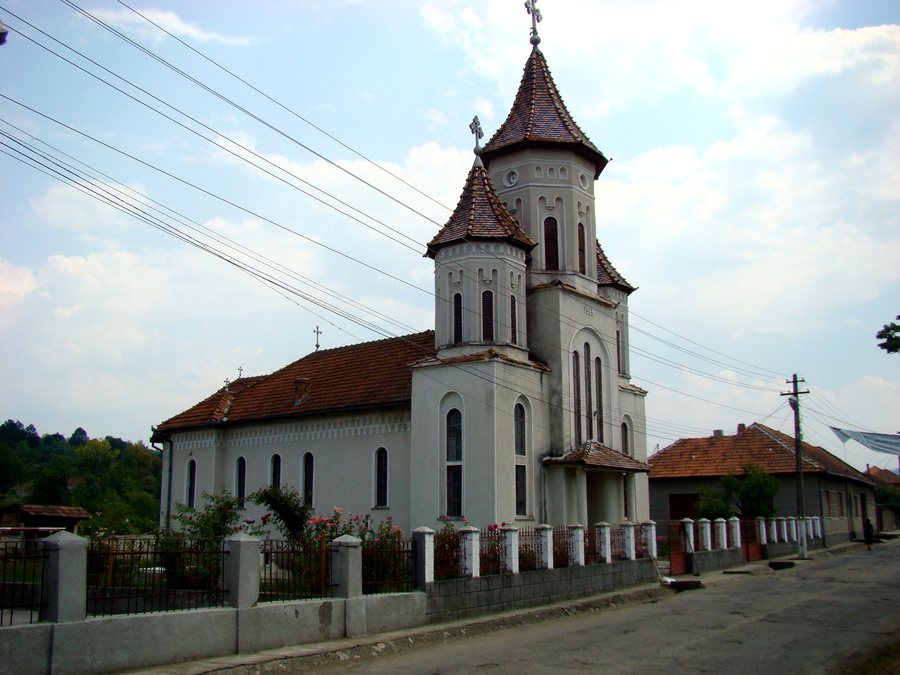
Pasărea Monastery was first mentioned in 1813 as a convent. Since 1966, its former refectory building has housed a collection of religious objects. Both details connect the monastery's history with a specific use of the building and a collection established at a later date. The parish church of Brănești also belongs to this architectural context: it was intended to be built as a copy of the Sfântul Gheorghe Church in Cernica. The religious and architectural connections thus extend from the monastery's history to the relationship between two churches.
Customs
Ziua Cucilor takes place in Brănești on Lăsata Secului de Brânză. A performance presented annually by young people is documented as part of the Cucilor custom. In the folk calendar, the festival marks the beginning of the new agricultural year. The focus is therefore on a specific date, a performance by young people and the festival's significance in the calendar tradition. Alongside its religious and seasonal classification, these features give the custom its own social form.
Surrounding Region
In the wider region around Brăneşti are Cotroceni Palace, a palace building; the ruins of Văcărești Monastery; the Palace of Parliament, a palace building; and Stavropoleos Monastery. Also in the wider region around Brăneşti are Cold Spring Park, a park area; State Circus Park, a park area; Parcul Cinematograf Floreasca, a park area; and Parcul Automatica, a park area. The surrounding region thus includes both religious and historic buildings as well as several places classified as park areas.
The destinations mentioned therefore differ not only in name but also in their recorded type: palace buildings, monastery ruins, a monastery and park areas form different cultural and landscape reference points. Together with Ostrov, the Pasărea riverbank and the history of Pasărea, they create a range spanning an archaeological settlement, religious tradition, architectural history, custom and designated landscape area. This distinction keeps the individual themes of the town and its wider surroundings separate.
For the broader travel overview: Branesti.

.jpg)