
Drobeta-Turnu Severin: Between Roman Times and a Medieval Fortress
Accommodation in Drobeta-Turnu Severin
In the vicinity of Drobeta-Turnu Severin, the Muzeul Regiunii Porțile de Fier museum displays a model of Trajan’s Bridge at Drobeta at a scale of 1:50.
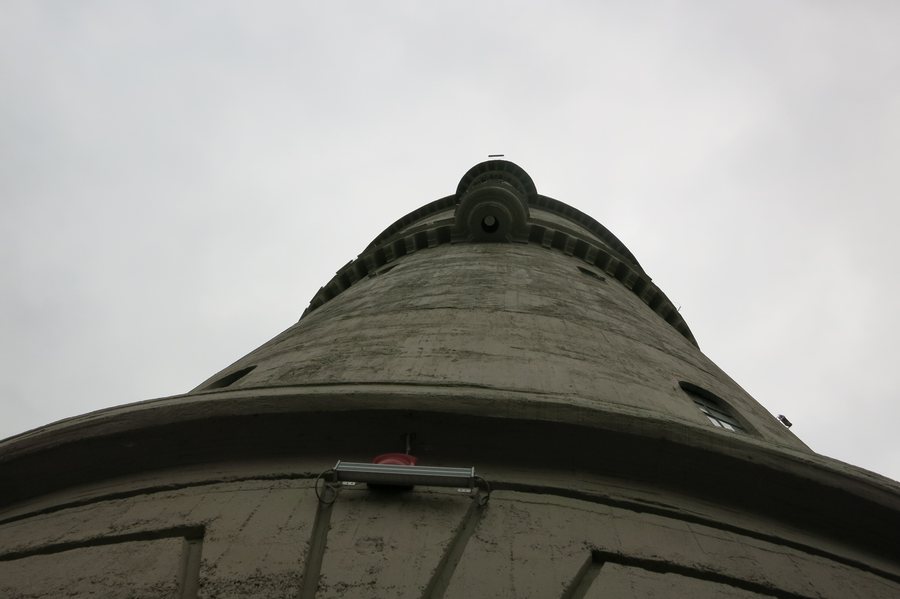 File:Castelul de apă municipiul Drobeta Turnu Severin 02.JPG
Photo: Munteanu Anca via Wikimedia Commons, CC BY-SA 4.0
File:Castelul de apă municipiul Drobeta Turnu Severin 02.JPG
Photo: Munteanu Anca via Wikimedia Commons, CC BY-SA 4.0
Culture
The museum also displays archaeological finds from the Roman fortification of Drobeta, including military equipment, coins, oil lamps, rings and a military diploma. The Roman fort of Drobeta was built between the two Dacian Wars, in AD 103–105, to protect an area of strategic importance to the Roman Empire.
The combination of the bridge model, fortification finds and preserved architectural evidence reveals different approaches to the Roman past: scale, excavation finds and monumental ruins complement one another without repeating the same historical layer.
The ruins of Trajan’s Bridge give the archaeological site of Drobeta a character that is unique in the world. The Roman amphitheatre of Drobeta is the fourth facility of its kind discovered to date in the territory of the former Roman province. In Dacia, the Roman baths of Drobeta rank second in terms of size and complexity.
History
The medieval fortress of Severin was the political and administrative centre of the Banat of Severin. The medieval fortress of Severin presents exhibitions featuring weapons, armour and instruments of torture, as well as collections of costumes and musical instruments.
The Cultural Palace of Turnu Severin historically brought together a library, a museum, a conference amphitheatre, a cinema, a beer hall, a casino and a theatre. For your own itinerary, you can distinguish between Roman military history, the history of medieval rule and the city’s historical culture.
The cultural offering therefore includes not only individual buildings, but also different forms of historical interpretation alongside one another: archaeological remains, fortress exhibitions and the historically diverse use of the Cultural Palace.
Geographical Context
Fetislam Castle is located in the vicinity of Drobeta-Turnu Severin. Ostrovul Şimian Island is also located in the vicinity of Drobeta-Turnu Severin.
In the surroundings of Drobeta-Turnu Severin are the Cuca Pănoanei peak, the Dealul Mare Brebenel peak and Mali Breg mountain. In the wider regional surroundings of Drobeta-Turnu Severin are Mânăstirea Vodiţa Monastery and Fort Elizabeth.
The three geographical levels can also be considered separately, so that the vicinity, surroundings and wider regional surroundings do not merge into a single indication of distance. The landscape destinations and historical sites mentioned can be compared according to their geographical setting and personal interests.
Those planning around different interests can organise the highlights by collection, building, exhibition and landscape. For a budget-conscious trip, this arrangement leaves open which stops will shape the day, without prescribing a fixed order. The different periods and types of activity allow for a personal balance between museums, fortresses, landscapes and bicycle rental.
Cycling
Drobeta VeloCity offers bicycle rental every day from 07:00 to 22:00.
The stated daily time period complements the historical and landscape themes with a practical activity option. Bicycle rental can thus be considered as a separate focus alongside museums, fortresses and the regionally classified landscape destinations, without equating the cultural sites with it.
To the overarching travel overview: Drobeta Turnu Severin.

