
Bulgaria: Sofia, Plovdiv, Mountains and the Black Sea
Accommodation in Bulgaria
Bulgaria brings together Sofia, historic cities, the Black Sea coast, mountains and monastery landscapes within a relatively compact area, although actual journey times can have a major effect on your itinerary. Good trip planning therefore starts with deciding what kind of trip you want: a city break, a coastal holiday, a tour, a hiking stay or a mix of culture and relaxation.
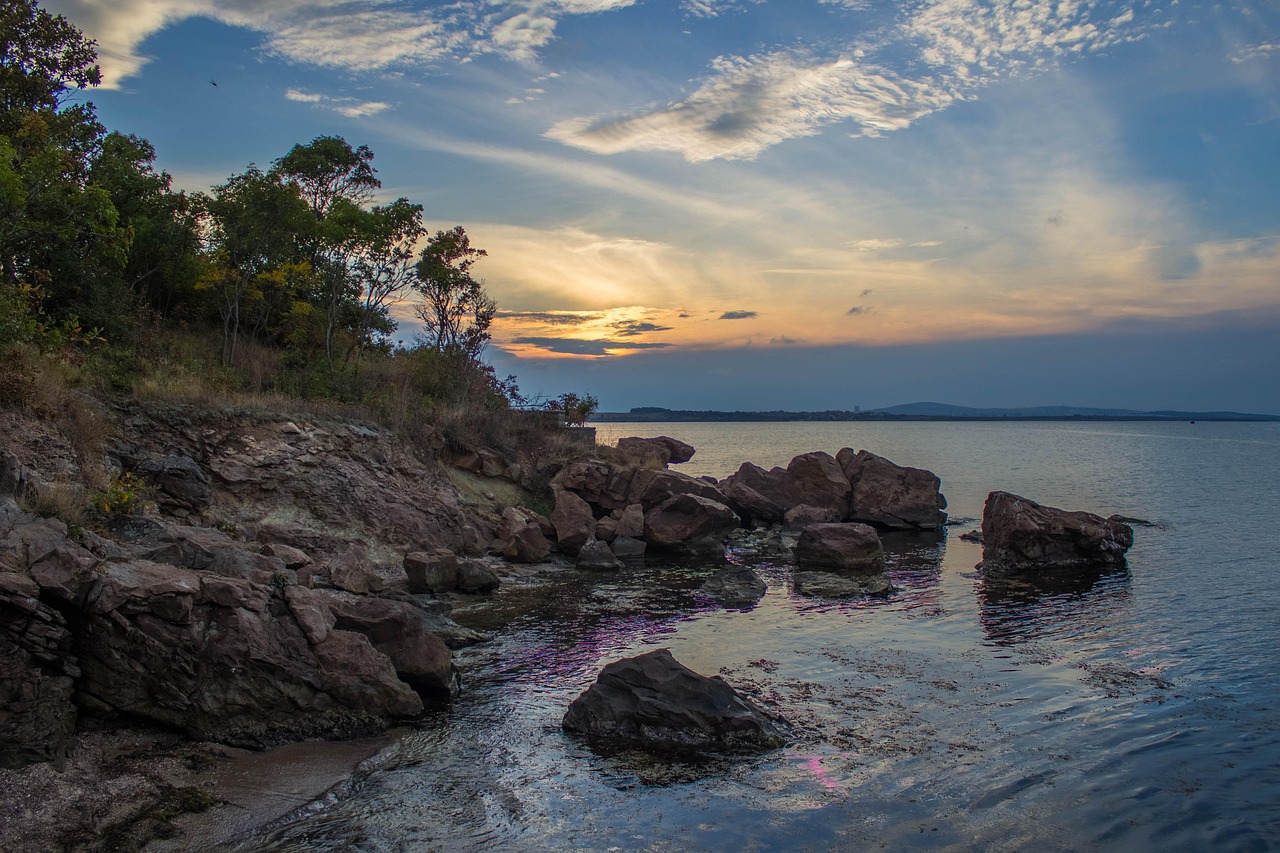 Der Strand von Burgas
Photo: Christo Anestev auf Pixabay
Der Strand von Burgas
Photo: Christo Anestev auf Pixabay
The landscape stretches from the Danube and the western mountains to the Black Sea coast. As a result, the climate, pace of daily life and transport vary by region. If you want to combine several highlights, it is better to choose a few bases and allow enough time at each. Before booking and departure, check the latest travel, entry and safety advice; the official travel advice from the German Federal Foreign Office is a good place to start.
Quick facts: Bulgaria
- Sofia is well suited to exploring city history, museums, churches and parks, as well as spending a day after arrival.
- Plovdiv combines ancient landmarks, an old town and a lively cultural scene.
- Varna, Nessebar and Sozopol represent different stretches of the Black Sea coast.
- Mountain regions and monasteries call for realistic travel times and weather-appropriate planning.
- Spring and autumn often work well for tours and city sightseeing; summer is especially popular on the coast.
- For many tours, two or three bases are more comfortable than changing accommodation every day.
Sofia as a starting point
Sofia is a good place to begin or end a trip to Bulgaria, since sightseeing and onward travel can be combined conveniently. Key attractions include central squares, churches, museums, parks and the nearby Vitosha Mountains. A day in the city is easier to manage if you combine one cultural highlight with a walk and a longer break.
When choosing accommodation, consider its location, transport links and your planned daily schedule. If you plan to set off early for an excursion, you will need different connections than if you want to enjoy restaurants and cultural attractions in the city centre in the evening. Check opening hours, admission requirements and events with the venues concerned. This keeps your plans workable even if one activity falls through.
Historic cities and culture
Plovdiv is known for its ancient sites, old town, hills and cultural events. It is easy to explore on foot, but factor cobbled streets and slopes into your plans. In Sofia and elsewhere, churches, museums and historic buildings add to the experience. If you want to do more than take photos, set aside time for exhibitions that provide context and for local history.
Nessebar combines an old town with the sea, while Sozopol is more closely associated with coastal walks and the character of a seasonal seaside resort. The two destinations are not simply interchangeable. The choice depends on whether history, the beach, evening atmosphere or a more relaxed pace is your priority. In high season, parking, access and accommodation can take considerably more time.
The Black Sea coast and seaside resorts
Varna is an important coastal destination, offering city life, the sea, parks and opportunities for excursions. On a coastal trip, it is worth alternating beach days with a day in the city or at a museum. When choosing a seaside resort, consider how close it is to the beach, transport, shade, shops and other destinations. Not every place is equally suitable for families, a peaceful break or an active tour.
The coast changes character over the course of the year. In summer, good beach weather, long evenings and a wide range of open attractions are appealing, but demand and traffic also increase. Spring and autumn can be more pleasant for walks, city visits and excursions, though some seasonal facilities may be closed. Before travelling, check beach access, the weather and the services you want to use.
Mountains, monasteries and nature
Bulgaria’s mountain regions complement the coast with hiking, scenic views, villages and quieter landscapes. Altitude and the road layout have a greater effect on journey times than distances on a map. For hikes, pack suitable footwear, allow for changing weather, take drinking water and plan a realistic return time. Do not assume that supplies will be available at remote destinations.
Monasteries and historic sites can be planned as destinations in their own right or as stops along the way. Allow enough time for the drive there, your visit and the return journey. Information about services, events, access and clothing requirements may change, so check directly with the site or an official tourism office. A leisurely visit is usually more rewarding than trying to fit several far-apart stops into one day.
Planning a tour and getting around
A well-planned tour can combine Sofia, Plovdiv and a stretch of the coast. For other combinations, the pages on the coast near Balchik, Golden Sands and a tour of Bulgaria offer further ideas. Before booking, check travel times between destinations using up-to-date route and traffic information.
For train and bus travel, departure times, connections and luggage are important considerations. A rental car gives you more freedom to visit mountains, monasteries and smaller towns, but requires attention to road conditions, parking and one-way streets. For many travellers, combining a city base, organised day trips and a few longer transfers is more enjoyable than planning every part of a tour down to the minute.
Explore Bulgaria by interest
For culture and urban history, Sofia and Plovdiv make a natural pairing. As a large capital, Sofia is more spread out, while Plovdiv is best explored through its ancient sites, old town and hills. If you add monasteries to your itinerary, check the access, visiting hours and return journey separately from your day in the city. That way, your plans remain practical even if access to one site is unexpectedly unavailable.
The coast offers a different pace of travel. Golden Sands is more focused on beaches and holiday facilities, while Burgas serves a different purpose as a city and coastal base. For historic coastal towns, consider whether Nessebar, current transport options and the rest of your route fit together time-wise. Further information about Nessebar can help with specific preparations. In the mountains, check the weather, elevation changes, trail conditions and the return journey before setting out.
Bulgaria’s official tourism website provides additional information by region. For entry and safety matters, consult the latest country information from the relevant authority as well. Old timetables and general seasonal guidance should not be treated as guarantees.
FAQs about Bulgaria
What kind of trip is right for Bulgaria?
Bulgaria is well suited to city and cultural trips, coastal holidays, stays in the mountains and touring holidays. The right choice depends on the time of year, your preferred pace and the experiences you want to focus on.
How many regions can you combine on one trip?
It depends on the length of your trip. Sofia, a historic city and a stretch of the coast make a straightforward combination. Add mountains or remote monasteries as an extra leg only if you have enough time.
What should you check before departure?
The latest entry requirements, transport information, weather, opening hours, parking options and seasonal access are more important than old general guidance. For hiking and coastal destinations, check conditions again shortly before your visit.
Bulgaria is at its most varied when your itinerary does not try to cover too many destinations. With well-chosen bases, realistic travel times and a good mix of city, culture, nature and sea, you can enjoy a trip that leaves room for breaks, too.
