
Russia’s Arctic North: Kola, Murmansk and the Polar Regions
Russia’s Arctic north encompasses the Kola Peninsula, Murmansk and vast areas along the Arctic Ocean. A trip there calls for different planning than a short city break: the season, daylight, weather, distances and reachable stages all determine what is realistic.
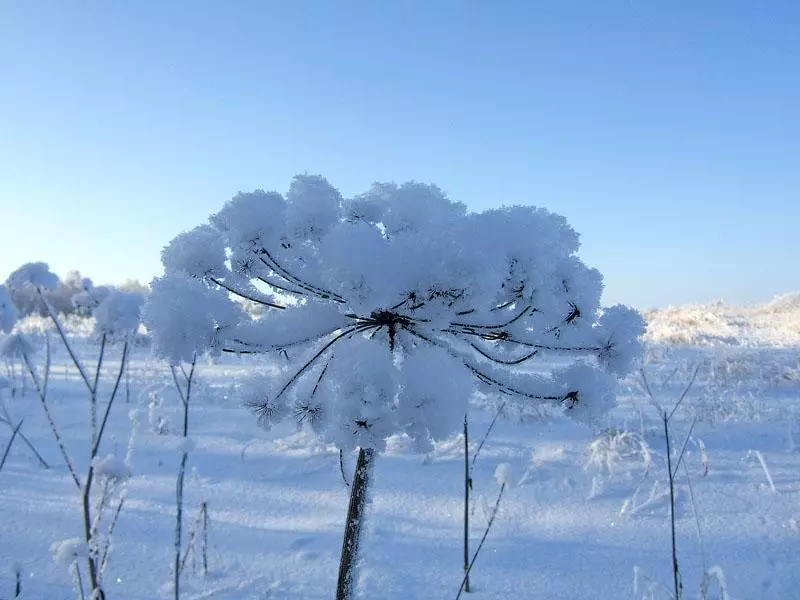 Eis und Schnee bestimmen den größten Teil des Jahres im arktischen Norden von Russland
Photo: svoxau
Eis und Schnee bestimmen den größten Teil des Jahres im arktischen Norden von Russland
Photo: svoxau
Quick facts: The Arctic North
- In Russia’s far northwest, the Kola Peninsula extends to the Barents Sea and the White Sea.
- Murmansk is an important city and port in the far north.
- The midnight sun and polar night affect daylight, sleep patterns and daily planning.
- Tundra, coastline, winter scenery and maritime history offer distinct points of interest.
- Distances, weather, transport, entry requirements and safety should be checked against current information before travelling.
The Kola Peninsula and Murmansk
The city of Murmansk is the first point of reference for many travellers, as it combines urban infrastructure with access to Arctic landscapes. Its port, maritime history, museums and location north of the Arctic Circle give a stay here a character of its own. A day’s itinerary should not try to combine the city, distant natural attractions and long return journeys.
Beyond the city, the landscape changes quickly. Tundra, rocky coastlines, lakes, rivers and open country feel vast and sparsely populated. This makes the region appealing, but calls for careful attention to weather, navigation, supplies and the demands of your route. For remote stretches, allowing extra time is more important than trying to tick off as many viewpoints as possible.
Daylight, seasons and the travel experience
In summer, long daylight hours and the midnight sun shape the daily rhythm. Hikes, coastal excursions and wildlife or landscape watching can be arranged more flexibly, although accommodation and transport may be in greater demand. In winter, snow, darkness and the chance to see the northern lights take centre stage. Cold temperatures, road conditions and short windows of usable daylight call for especially cautious planning.
The northern lights are a natural phenomenon that cannot be booked with a guarantee. Clouds, light pollution, solar activity and the length of your stay all affect visibility. If seeing them is a priority, plan for several evenings rather than relying on a single organised outing. For current conditions and local options, consult reliable, regularly updated local information.
Routes through the far north
The Arctic north can be part of a wider trip to Russia or compared with destinations in the Russian Far East. However, these are not places that can easily be linked in a short trip. Actual routes, schedules and entry requirements need to be considered separately. Karelia and the area around St Petersburg also form separate stages of a trip, with their own timing and transport considerations. For longer distances, Siberia, Lake Baikal and Yekaterinburg can likewise be treated as independent stages.
A good northern itinerary links just a few locations. Depending on your interests, a trip from Murmansk might focus on the city, coastline, nature or culture. If you travel farther across the Kola Peninsula, arrange accommodation, your return journey, fuel or supply options, and a weather buffer in advance. For guided excursions, check the meeting point, duration and return time, and ask how weather-related changes are handled.
A connection through Moscow airports or onward travel to Kaliningrad is not simply a matter of distance in a straight line. Flight schedules, connection times, entry requirements and current services must all be checked separately. The links help put the destinations in geographical context; they are not a substitute for checking specific transport arrangements.
Practical preparation
Warm, windproof and waterproof clothing is useful in any season. In winter, bring adequate protection from the cold, keep time outdoors short and plan for heated breaks. In summer, insect repellent, sun protection and footwear suitable for varied terrain are helpful. When hiking, do not rely solely on mobile phone coverage for your route, return time, navigation or communication.
The German Federal Foreign Office publishes the latest travel and safety advice for the Russian Federation. Before booking, also recheck entry requirements, transport connections, opening hours, local conservation rules and any access restrictions.
Your choice of transport also shapes the experience. Travelling by train or bus can bring the long distances into view, while a car offers more flexibility but also means taking greater responsibility for road and weather conditions. For organised excursions into nature, make sure you know the meeting point, group size and return time, as well as what happens in bad weather. In remote areas, cautious planning matters more than trying to cover as much ground as possible in a short time. Staying several nights in one place lets you make the most of favourable weather and means you do not have to fit every sighting or hike into a single day.
Frequently asked questions about Russia’s Arctic north
When is the best time to visit?
It depends on what you want to do: summer and early autumn are better suited to enjoying the landscape in daylight, while winter offers snow and the possibility of seeing the northern lights. Weather and local conditions remain decisive.
Is Murmansk enough as a base?
Murmansk can be the main focus of a city break. Visiting remote natural attractions or the Kola Peninsula takes extra days, reliable transport connections and contingency time.
Are the northern lights guaranteed?
No. Cloud cover, solar activity, light conditions and the length of your stay all affect visibility. Spending several evenings looking for them improves your chances, but cannot guarantee a sighting.
A more relaxed, weather-conscious approach to planning pays off in Russia’s Arctic north. Taking Murmansk, the Kola Peninsula, daylight conditions and practical limitations into account together helps you assess the region realistically and choose an itinerary that is not derailed by overly tight stages.
For current entry and safety information, consult the travel and safety advice from the German Federal Foreign Office.
