
Russia: Cities, Regions, and Travel Planning
Accommodation in Russia
Russia is a vast country with striking contrasts between major cities, historic towns, river landscapes, mountains, and remote regions. If you are including Russia in a trip, first decide what role the destination will play in your itinerary: a starting point, part of a tour, a base for city visits, a nature stop, or a longer stay. This will help you create a route that works well on the ground, rather than simply collecting place names.
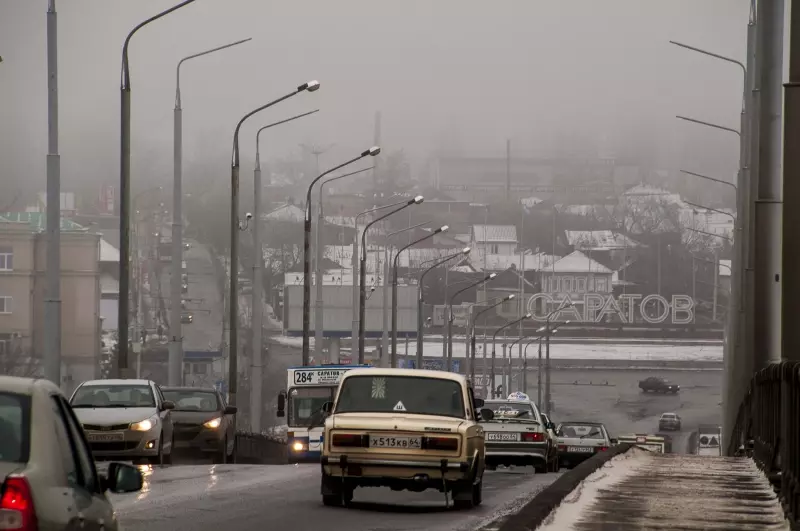 Ein weites Land, dieses Russland. Reisen in Russland sind für den Westeuropäer eher exotisch oder abenteuerlich.
Photo: Alesia Belaya
Ein weites Land, dieses Russland. Reisen in Russland sind für den Westeuropäer eher exotisch oder abenteuerlich.
Photo: Alesia Belaya
Quick facts: Russia
- Russia is enormous, so it is best to connect just a few regions in a practical way.
- Moscow and St Petersburg offer distinct urban experiences.
- The Golden Ring links historic towns northeast of Moscow.
- The Volga, the Urals, the Caucasus, Siberia, and the Far East represent very different landscapes and distances.
- Plan trains, flights, and local transport separately for each leg.
- Before making concrete travel plans, check official sources for the latest entry, safety, and transport information.
Moscow, St Petersburg, the Golden Ring, the Volga, the Urals, Siberia, the Caucasus, and the Far East offer very different kinds of travel. When planning, consider distances, the time of year, transport, and connections to specific places together. In Russia, short city journeys, long rail trips, vast distances, and seasonal conditions can significantly affect your itinerary.
The key question for travellers is whether they want to focus on culture, cities, nature, rail travel, river cruises, or regional history. Realistic planning means choosing a few fixed stops and allowing time for the journeys between them. This helps with arrival days, long bus or train journeys, and regions where the weather, season, or local holidays may change the day’s plans.
Cities, landscapes, and culture
Kremlin complexes, churches, museums, metro stations, rivers, historic small towns, and vast landscapes are among the main attractions. A good itinerary combines well-known places with quieter stretches. Capital cities, old towns, museums, and markets provide a sense of orientation, while coastlines, mountains, rivers, lakes, and spa towns change the pace and make a trip feel less packed.
Russia is best experienced not by ticking off individual sights alone, but by taking in the routes, scale, and regional differences as well. It is especially helpful to choose one clear focus for each day. A museum, neighbourhood, viewpoint, or landscape along the way will stay with you more than a schedule that squeezes too many stops into a short time.
Routes and combinations
Moscow, St Petersburg, the Golden Ring, and selected river or rail journeys are good starting points. Moscow St Petersburg Golden RingThe best combinations follow actual transport corridors and link nearby destinations with related themes. A country overview helps you sort through the options, but it does not replace checking individual routes, places to stay, and seasonal connections.
For short trips, one or two regions are usually more practical than making long leaps between far-flung parts of the country. For tours, two to four carefully chosen bases are often more comfortable than changing locations every day. From there, you can better combine day trips, city visits, and nature destinations. If you are travelling by car, consider parking and road conditions; by bus or train, frequency, transfers, and the return journey matter more than straight-line distance.
When to go and practical tips
The best time to visit depends greatly on your destination: cities, the north, the south, Siberia, and river routes all have different conditions. Spring and autumn are often good for cities, tours, and outdoor activities. Summer is particularly suited to coastlines, lakes, long evenings, and mountain regions, but can put more pressure on accommodation and transport. In winter, short journeys, museums, cafés, thermal baths, and ski resorts become more important.
Before booking, check the latest entry requirements, timetables, opening hours, public holidays, local rules, and weather conditions. For border regions, national parks, islands, mountain routes, and historic sites, it is worth checking again shortly before your trip. Leaving some room in your daily schedule is not wasted time; it makes spontaneous discoveries and breaks possible. When planning a trip to Russia, compare accommodation locations with your main daily routes and allow for realistic breaks.
Planning trips across Russia’s vast distances
Russia offers a wide range of travel experiences: city breaks in Moscow or St Petersburg, rail journeys across Siberia, towns along the Volga, the Caucasus, and the Far East all require different preparation. Distances, climate, transport, and regional rules should therefore be built into your itinerary early on.
For orientation, see the pages on Moscow, St Petersburg, and Siberia. Before making any bookings, check the latest entry requirements, payment options, transport connections, and travel advisories.
Choosing regions wisely
For a first trip, choosing destinations by landscape and type of travel is more useful than making the longest possible list of place names. Moscow makes a good urban base, with museums, squares, railway stations, and neighbourhoods spread across the city. St Petersburg offers a different focus: canals, historic ensembles, museums, and its setting on the Neva define the city. Each can be planned as a city break in its own right; if you visit both, allow realistically for the additional travel time.
If you are interested in historic towns and religious architecture, the Golden Ring offers a denser network of destinations. Yaroslavl, Yuryev-Polsky, Vladimir, and Suzdal differ in size and accessibility. A route works better if you do not plan to visit a new place every day. Two nights in a well-connected base can be more rewarding than changing hotels daily.
For lakes, forests, and northern scenery, Karelia is a trip in its own right. Lake Ladoga and Lake Onega are in a region where distances, weather, and seasonal accessibility matter more than they do on a city break. The same applies to the Arctic North, including Murmansk and the Kola Peninsula. Allow extra days for nature destinations when connections are infrequent.
Vast distances and choosing the right transport
Maps can make places in Russia seem deceptively close. Two interesting regions may be many hours or even a full day apart. Before booking, check not only the distance but also the number of transfers, where the stations are, and how you will travel the remaining distance to your actual destination. Airports in Russia are important for journeys between far-flung places; smaller towns usually require an additional transfer afterwards.
The railway stations in Moscow serve different rail lines. If you are travelling onwards from the city, make sure you know which station you need and allow enough time to transfer. An overnight train can be useful for long journeys, but you should still check the current timetable and access requirements. If your trip has several legs, it is worth arranging the long-distance connections first, then fitting shorter excursions around them.
The Trans-Siberian Railway is not a single destination, but a sequence of very different legs. If you choose this route, decide in advance whether the train journey itself, cities, nature, or encounters with local people will be the main focus. The Far East and Kamchatka have different time and transport requirements from Moscow or the Volga.
Combining cities, nature, and culture
A balanced route can combine a city at the start with a historic or scenic leg. After several days in Moscow or St Petersburg, a smaller town on the Golden Ring can offer a slower pace. Conversely, a large city before or after a nature trip offers practical options for arriving, running errands, and ending your trip flexibly. The Volga links river scenery and cities, and depending on the section, can be a cultural or landscape highlight.
The Urals are more than an imaginary boundary between Europe and Asia. When planning a trip, what matters is whether you are focusing on a particular place, a hike, an industrial city, or a rail journey. Distances grow longer and seasonal differences become more pronounced in Siberia. Nature and activity plans should therefore not be as tightly scheduled as a museum itinerary in a major city.
Choose accommodation for its location, not just its price
In a vast country, the location of your accommodation is part of your route planning. For a short stay in Moscow, consider how well it connects to the neighbourhoods and railway stations you plan to visit. In St Petersburg, the canals, historic centre, and your daily itinerary are key. In more rural regions, staying closer to an excursion destination may matter more than being in a location that seems central. For specific searches, compare the locations of accommodation in Russia, accommodation in Moscow, and accommodation in St Petersburg.
This is especially important for Crimea and the Black Sea region: accommodation in the Republic of Crimea should not be chosen without considering current accessibility, legal requirements, and your planned daily activities. Finding accommodation is therefore the final step after choosing a region and route, not a substitute for doing so.
When to go and practical preparations
The best time to visit depends greatly on the region. Cities can be interesting in several seasons, while northern and remote nature destinations depend more on the weather, daylight, and road conditions. Recheck actual opening hours, transport, and access information for each leg shortly before travelling. Timeless travel planning does not mean ignoring current advisories; it means not treating changeable information as permanent fact.
Before departure, make a checklist covering documents, payment and communication options, medical care, travel insurance, and emergency contacts. If your route crosses several regions, also make sure you know where you can access the internet, get cash, and arrange onward local transport. Official entry and safety information takes priority over older travel accounts.
For Russia, first narrow down your trip by region and the time available. Moscow, St Petersburg, the Volga, and the Urals offer different experiences; Siberia requires its own planning because of the distances involved. This turns a vast country into a clear sequence of legs.
For every connection, check the latest information on getting there and transport, travel preparation, entry and documents, staying safe while travelling, and money and payments. Accommodation, the return journey, and an extra rest day belong in the same decision as the sights you plan to visit. This keeps your route realistic even if you need to change a connection or adjust your plans.
Conclusion: planning your trip
Russia is suited to travellers who take the vast distances seriously and plan their routes around their interests, the season, and transport. Planning around your own interests makes it easier to find the right mix of well-known places, regional culture, and quieter stretches. This turns an overview into a useful basis for a trip that works in terms of time, theme, and geography.
Choosing regions by type of trip
For a city break, Moscow and St Petersburg suit different interests: Moscow is known more for its grand boulevards, museums, and sprawling neighbourhoods, while St Petersburg is known for its canals, palaces, and cultural landscape along the Neva. Historic towns on the Golden Ring are better planned as individual excursions or as a quieter leg of a tour. The Russia overview should not be mistaken for a fixed order of travel; what matters are the specific routes, the time available, and current accessibility.
If you prefer river landscapes, compare the Volga region with cities such as Kazan and Samara. In the Urals, Yekaterinburg offers urban and industrial culture, while Siberia involves longer distances and calls for more contingency time. A good travel decision takes into account the balance between your main focus, transfers, accommodation, and the options for getting back.
Check current entry, safety, and transport conditions for every route with the relevant authorities. The Russian Federation country information from the German Federal Foreign Office is an important reference. It will not answer every local question, but it can help you assess whether a planned connection is realistic before booking.
FAQ about travelling to Russia
How many regions can you reasonably combine in one trip?
It depends on the long-distance transfers. For a first trip, one or two main areas with suitable excursions are usually more practical than a tour across many far-flung regions.
Can Moscow and St Petersburg be combined?
Yes, you can visit both cities on the same trip. Check the specific connection, entry requirements, and current transport situation before booking.
When should I choose my accommodation?
After deciding on your itinerary. Only then can you judge whether it is more important to stay near a railway station, airport, old town, or nature destination.
Is travelling by train in Russia suitable for every itinerary?
It is best suited to routes where the journey itself is part of the experience. If you have only a few days and your destinations are far apart, flying may be more practical.
Which information should I update shortly before travelling?
Entry, safety, transport, opening hours, and access information, as well as any restrictions in specific regions.
