
Preparing for a trip: start relaxed and well organized
Preparing for a trip is easier to manage when important tasks are arranged in a clear order: travel dates and documents, getting there and your first accommodation, luggage and contacts. Taking care of things early leaves more time for the journey itself on departure day. A short personal checklist can bring all the steps together in one place.
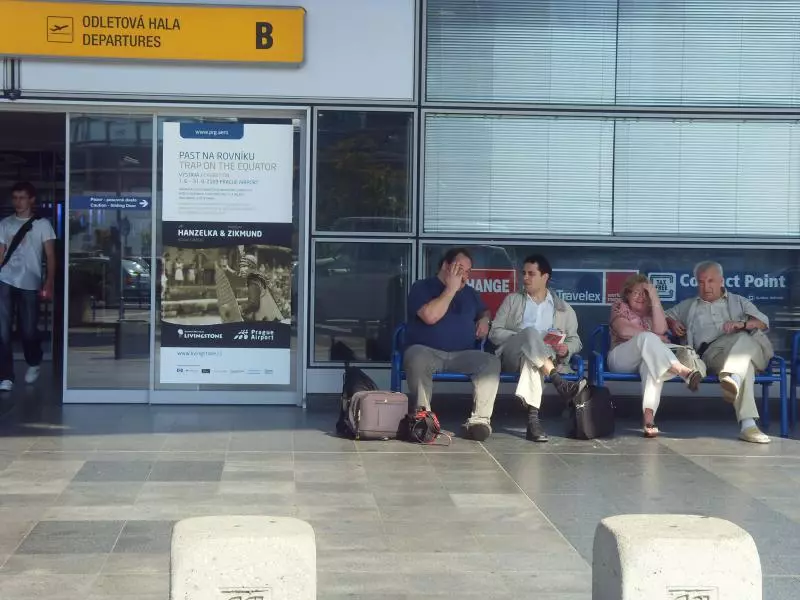 Reisende mit Gepäck vor einer Abflughalle.
Photo: Markus
Trip preparation at a glance
- Start with travel dates, document validity and important contacts.
- Plan your arrival and onward journey as one connected stage.
- Pack according to the length of your trip, the weather and planned activities.
- Make sure digital documents and booking details are available offline.
- Time and budget buffers give you flexibility in case of delays or changed plans.
Documents and travel details
Start with your travel dates, destination, travel documents and booking details. The validity of your passport or ID card and the entry requirements for your destination affect what you need to do next. Visa requirements and other documents depend on your nationality, purpose of travel and length of stay. For a trip to Russia, entry requirements depend on your nationality, purpose of travel and length of stay; any visa for Russia you may need is one of the relevant documents. Booking numbers, addresses and contact details can be saved both digitally and offline.
It can help to organize paper and digital copies by category: passport and visa details, transport, accommodation and insurance. You can give a contact person your planned length of stay and important phone numbers. Travel insurance and health documents are part of your personal preparations if they are relevant to your destination or circumstances.
Arrival and your first onward journey
For your arrival, treat the destination terminal or station, transfer and route to your first accommodation as one part of the journey. Several border crossings with Poland, Lithuania and Latvia are closed, and only designated crossings and modes of transport are permitted for passenger traffic. Minsk railway station is within the city; cross-border passenger traffic depends on which crossings are open and which modes of transport are permitted. Civilian flights to Ukraine are suspended because its airspace is closed, so the Kyiv airports are not a usable point of entry.
Transfers, luggage and arrival time affect how much time you should allow between stages. A short transfer with light luggage has different requirements from a late arrival or a longer onward journey. Staying near the arrival point shortens the first transfer; you can fit a later onward journey into your daily itinerary based on its departure time and your luggage.
Pack for the first days of your trip
Keep documents, medication and personal items you may need during a long transfer in your hand luggage. A charger, the address for your first night and a copy of important booking details can make arrival easier. Choose clothes based on the weather and planned activities; versatile items help reduce unnecessary luggage.
For longer journeys, also think about food for the first leg. If you are bringing special equipment or larger pieces of luggage, you can plan access to the station, transfers and the onward journey to your accommodation as part of the same itinerary.
Contingency funds and contacts
Setting aside extra money for delays, additional local transport or a change to your accommodation arrival plans can help you adapt when things change. For longer journeys, you can include breaks and an overnight stop along the route. For a leg of a trip in Russia, transfers, local travel and the return journey depend on the mode of transport you choose.
A concise contact list should include your first accommodation, transport providers, someone you trust who can be reached and local emergency contacts. You can divide your travel schedule into stages: departure, transfer, arrival and the route to your accommodation. This sequence helps identify unanswered questions before they affect the rest of your plans.
Frequently asked questions about preparing for a trip
When should I start preparing for a trip?
Once you have chosen your destination and travel dates, you can put your travel documents, journey there and first night’s accommodation in order. Then plan your luggage and personal needs.
What should I include in a digital document folder?
Passport and visa details, bookings, insurance information, addresses and important contacts. An offline copy remains accessible even without an internet connection.
How can I plan my arrival?
Your arrival point, time, transfer and onward journey to your first accommodation form one connected stage of the trip.
How do foreign bank cards work in Belarus?
As of October 25, 2026, the German Federal Foreign Office notes restrictions on using non-Belarusian credit cards. There are also restrictions on taking cash out of the EU, so payment and border conditions affect preparations for a trip to Belarus.
