
Russian visa
A Russian visa can be considered as part of a travel plan when the route, season, travel arrangements and current conditions align. Not every historical description corresponds to an offer available today. Before making a decision, therefore, check specific locations, access, opening hours and safety information again.
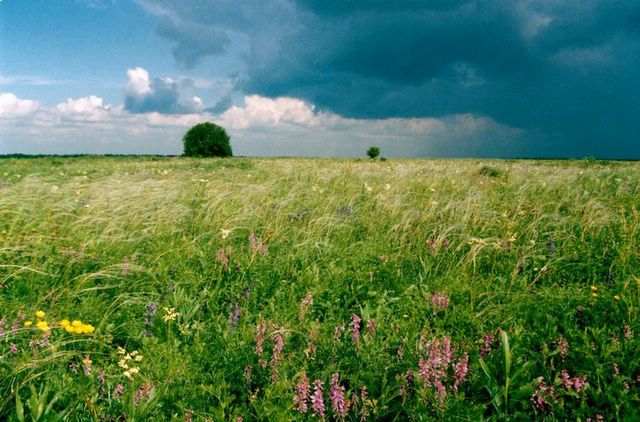 Weite blühende Graslandschaft unter bewegtem Himmel im Wolga-Raum.
Photo: Alexander Dobrolubov
Weite blühende Graslandschaft unter bewegtem Himmel im Wolga-Raum.
Photo: Alexander Dobrolubov
Russian visa: key facts
- The subject can vary considerably depending on the region, season and your personal travel plans.
- Plan a specific route with realistic travel times and sufficient breaks.
- Current operational, entry and safety information is more important than old accounts.
- Local rules, permission to take photographs, and consideration for residents or employees should all be part of your preparations.
- Planning alternatives helps you stay flexible if the weather, transport or available offers change.
You need a visa before entering Russia. The visa must be applied for before departure. Applications are submitted to and visas issued by the Russian Embassy or a consulate. The personal visa application process is quite time-consuming. It is worth seeking help from a tour operator or visa service, even if this costs a few euros.
The following documents are required to apply for a Russian visa
1. A completed visa application form — for example, one can be found on the website of the Russian Embassy
2. A passport valid for at least 6 months beyond the end of the trip, with two blank pages.
3. An official invitation, depending on the type of visa
4. A passport photo
5. International travel health insurance recognized by Russia — the recognized travel insurance policies are listed on the Russian Embassy’s website.
There is no entitlement to be granted a Russian visa. The Russian Embassy decides whether to issue the visa. Applications are usually rejected because of formal errors or incomplete documentation.
In general, there are three different types of Russian visa:
Tourist visa — stay of up to 30 days. The hotel normally provides the necessary invitation. A hotel booking for the entire trip is required. Some tour operators and visa services issue tourist invitations for a fee, even without hotel bookings.
Business visa — stay of up to one year. An invitation issued through the Russian Ministry of the Interior is required. Tour operators or visa services can also help with this.
Private visa — stay of up to 90 days. Obtaining an invitation for friends, acquaintances or relatives is quite difficult and often takes a long time, as a number of local offices have to be visited. The original invitation must be submitted with the visa application to the Russian Embassy; this can cause problems, particularly with sending it.
Obtaining an invitation is often the biggest cause of delays before applying for a visa. Depending on who applies for the invitation, it can sometimes take several months to issue. Applying for a visa without the invitation is not advisable. In general, the earlier you apply for a visa, the lower the cost of obtaining it. Once you have all the documents required for the application, these rules of thumb apply:
Around 4 weeks for a tourist visa, and around 7 weeks for a business visa.
After that, it gets much more expensive: the shortest possible processing time for a visa is three working days. Applying at such short notice, however, involves considerable expense.
Applying for a visa takes time and costs money. It is worth getting help from a tour operator or visa service. In addition to the actual visa fees, they charge an additional 30 to 80 euros, depending on how quickly the visa is needed. In return, you avoid travelling to the Embassy, standing in line for hours and risking a visa refusal because of errors in the application.
When using a visa service, be aware of the difference between providers: some offer only to obtain the invitation, while others handle the visa application itself.
Another important point: you must register in Russia no later than 3 days after arrival. This is not a problem with a tourist visa issued through a hotel or an authorized Russian travel agency: registration is usually handled by hotel or agency staff. If you try to register on your own, the process can turn into a round of visits to one office after another...
For questions about visa issuance, contact the Russian Embassy:
Consular Section of the Embassy of the Russian Federation
Unter den Linden 63-65
10117 Berlin
Monday–Friday, 9:00 a.m.–1:00 p.m. (except Russian public holidays)
9:00 a.m.–12:00 p.m. — document submission,
12:00 p.m.–1:00 p.m. — collection of completed documents.
Entry to the Consular Section is permitted only until 12:30 p.m.
030/22-65-11-84 (German)
030/22-65-11-83 (Russian)
0190/773313 — (EUR 0.78/min.) fax for written enquiries.
Check documents, applications and entry requirements
For geographical context, Visas and entry permits are a good starting point. A travel checklist, current information about getting there and transport, and offline maps can all help with your preparations. Double-check documents, addresses and booking details before setting out. If you are connecting several stops, avoid scheduling your return on the last possible connection.
Visas and entry permits and Travel checklist and schedule and Passport and personal documents and Transfers and local transport support your preparations when routes, timing and current conditions are considered together.
Train travel and stations and offline maps and Map, cash and a second payment option and more holiday ideas support your preparations when routes, timing and current conditions are considered together.
The best travel decision comes from choosing a suitable pace and relying on information that can be verified. Compare the specific purpose of your trip with its duration, budget, travel arrangements and the type of stay you want. If part of the plan remains uncertain, a shorter leg or a different type of trip may be the more reliable option. For a Russian visa, in addition to your reason for travelling, take account of route conditions, weather, daylight and a safe return.
FAQ
How can I fit this into an itinerary?
Include it in a realistic one-day or multi-day segment, and allow for travel time, breaks and an alternative.
Which details need to be up to date?
Check access, opening hours, transport, costs, and any safety or entry requirements immediately before travelling.
What should I bear in mind about older information?
Older texts can explain the history and geographical context; decisions about current travel require additional sources.
