
How to prepare for mountain tours and mountain trips safely
Mountain trips can range from a leisurely drive to a viewpoint to a day hike or a multi-day trek. The term alone says nothing about the difficulty or safety requirements. Good preparation therefore starts with specific questions: How long is the route? How much elevation gain is involved? How might the weather change, and how can you turn back if needed?
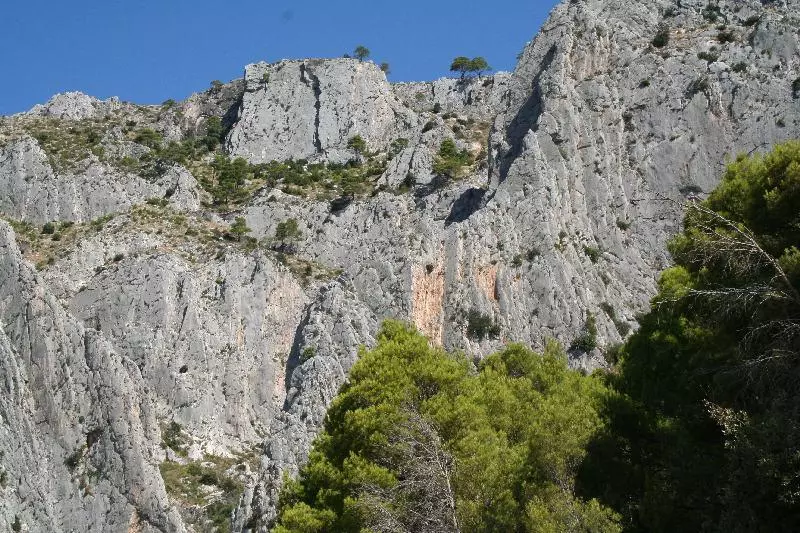 Steile Felswände mit kargem Bewuchs als Bild für Gebirgsreisen und Bergtouren.
Photo: Dago
Steile Felswände mit kargem Bewuchs als Bild für Gebirgsreisen und Bergtouren.
Photo: Dago
Quick facts: Mountain tours and mountain trips
- Altitude, trail conditions and elevation gain affect the level of exertion more than distance alone.
- A tour should suit the ability, fitness and experience of everyone taking part.
- Weather changes, thunderstorms, fog and early darkness all require time to spare.
- Sturdy footwear, suitable clothing, water, navigation aids and emergency supplies are basic essentials.
- On more challenging routes, up-to-date local information and a realistic turnaround time are important.
- Mountain trips need not involve a summit hike every day; towns, valleys and rest days are part of the experience, too.
Choose the type of tour before the destination
An easy hike on a clearly marked trail calls for different skills than trekking with a pack or a climbing tour. When planning a trip, first assess the most demanding day on the itinerary. A short route with steep sections can be more strenuous than a longer, more evenly graded one. Exposed sections, scree, snow or a lack of shade can also change how difficult a route feels.
The Durmitor and the Apuseni Mountains show just how varied mountain landscapes and travel experiences can be. For a more active trip idea, cycling tours in Kyrgyzstan offer a different perspective on distance and altitude. An active holiday in Sochi also combines coast and mountains, while Zakopane serves as a base for a range of mountain and winter experiences.
Altitude, weather and the daily rhythm
As you gain altitude, temperatures, wind and visibility can differ considerably from conditions in the valley. An early start may be necessary if thunderstorms are more likely in the afternoon or the return journey will take a long time. Weather apps can help you stay informed, but they are no substitute for local warnings and your own observations. If clouds are building, winds are strong or navigation is uncertain, stopping for a break or turning back is the sensible choice.
A mountain holiday also calls for acclimatisation and rest. The most demanding tour should not automatically follow the day you arrive. A stroll around town, a valley trail or a day off can help you find your own pace. The landscapes of Lake Sevan and the highlands show that even expansive, high-altitude scenery can be enjoyed without focusing solely on physical achievement.
Equipment and the return journey
Sturdy footwear, weather-appropriate layers, water and a small first-aid kit are the essentials. For more remote routes, also bring a map, a charged phone and a power bank, and leave your plans with someone you trust. Climbing and high-altitude tours have additional requirements; ask a professional or qualified provider to check your equipment and skills.
Do not wait until you are running out of energy to start heading back. Before setting off, plan a target return time, a turnaround point and an alternative. If a tour is not right for you, destinations with well-developed winter facilities or other activities can offer a lower-risk alternative. Find more types of trips in holiday ideas.
Mountain trips for different groups
If you are travelling with children, older people or anyone with little mountain experience, choose the day’s destinations together. A viewpoint reached by a short drive can be just as rewarding as a long hike. More experienced groups can plan more demanding days, while others visit a valley or a town. The key is to agree clearly on the meeting point, timing and return route.
On multi-day treks, your luggage, supplies and place to sleep change every day. Staying in one base keeps equipment to a minimum and makes it easier to adapt plans on the fly. A list of emergency numbers, a weather contingency and a return journey plan are useful, without making the trip unnecessarily complicated. That way, the mountains remain the focus, while good planning supports safety and lets you travel at your own pace.
When describing or choosing a route, also distinguish between a marked hike, a mountain tour and a climbing route. These terms do not automatically indicate a particular difficulty level. What matters is the local grading, current conditions and your own preparation.
When choosing accommodation, distance from the start of the route matters just as much as price. A short transfer, secure storage for equipment and a reliable meal after you return can make a demanding day plan much easier.
FAQ
How do I find a mountain tour that suits me?
Start by considering your fitness, experience, elevation gain and trail conditions. Only then choose a specific destination.
What should I do in bad weather?
Check how the weather is developing, turn back in good time and choose a shorter alternative. Thunderstorms, fog and strong winds are not conditions to push through.
Is a mountain trip worthwhile without a tour every day?
Yes. Valleys, towns, viewpoints and rest days can all enrich your stay and make planning easier for people with different interests.
