
Cycling in Kyrgyzstan: Routes, Elevation and Preparation
Kyrgyzstan is suited to challenging cycling trips, with mountains, long distances and changing conditions. Routes, supplies, weather and contingency reserves should be planned carefully.
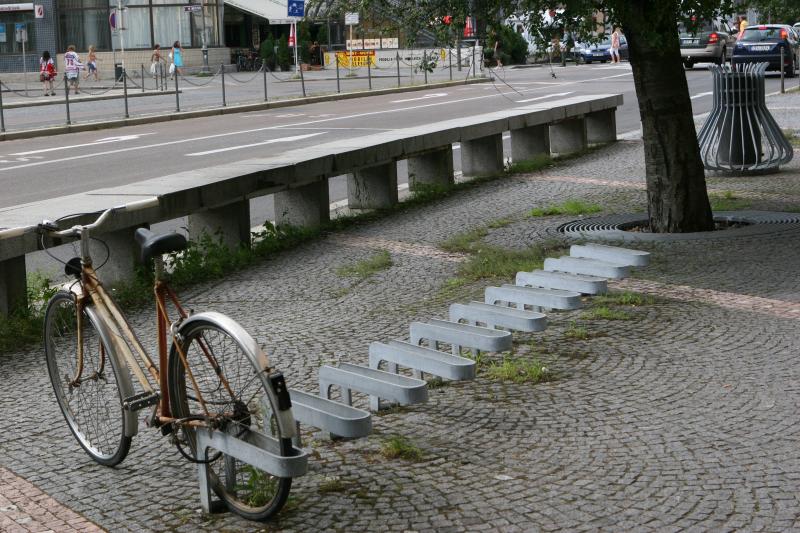 Symbolisches Fahrradmotiv aus Pardubice; die Aufnahme steht stellvertretend für Radreisen, ohne eine konkrete Route in Kirgisistan abzubilden.
Photo: Ilya
Symbolisches Fahrradmotiv aus Pardubice; die Aufnahme steht stellvertretend für Radreisen, ohne eine konkrete Route in Kirgisistan abzubilden.
Photo: Ilya
Quick facts: Cycling in Kyrgyzstan
- Elevation, climbs and terrain can shape stages more than the number of kilometres.
- Changing weather and limited supplies call for extra time and equipment reserves.
- Road conditions, traffic and current passability should be checked for every route.
- Water, food, spare parts and communication should all be included in stage planning.
- A rest day or a stage that can be shortened makes the trip more resilient.
- Official advisories and local information take precedence over old travel reports.
Assess the demands of the route realistically
Cycling trips in Kyrgyzstan combine vast changes in scenery with mountains, passes, valleys and some sparsely populated areas. The country of Kyrgyzstan is therefore not a destination where distance alone determines how difficult a ride will be. Elevation, gradient, terrain, wind, temperature and luggage can make a short stage more strenuous than a longer ride over flat terrain.
For geographical context, you can consult information about Central Asia. If you want to combine cycling trips with other activities, cycling holidays offer useful points of comparison. The specific route should still be based on up-to-date maps, local information and an honest assessment of your own experience—not on a blanket recommendation for the whole country.
Routes, terrain and stages
Before setting off, find out which sections are paved, gravel, rocky or only passable with difficulty. Even a road shown on official maps can be different from what you expect due to weather, roadworks or seasonal conditions. Plan your daily stages so that a late start, a breakdown or slower progress does not immediately put your next overnight stop at risk.
A robust plan includes a shorter alternative and at least one extra time buffer. For long distances, check accommodation, water, food and possible transport sections well in advance. A trip checklist with a schedule can help you organise your bike, tools, documents, medication and breaks together. If you are using a rental bike, check the handover arrangements, frame size, brakes, tyres and spare parts before your first long stage.
Elevation, weather and physical strain
Elevation affects exertion and recovery. Exercise, sleep, cold, sun and fluid needs may be different from what you are used to on a lowland route. Don’t increase your workload based on the calendar alone; pay attention to how your body actually responds. If you feel unwell, unusually exhausted or uncertain, taking a break and, if necessary, seeking medical advice is more important than reaching your planned stage destination.
Weather can change quickly in mountain regions. Wind and rain protection, warm clothing, sun protection and a way to take dry breaks should therefore be part of your luggage. Nature and landscapes can offer ideas for exploring the area, but they are no substitute for checking the specific weather and route. Hiking and trekking sections involve different requirements; the information on hiking, trekking and climbing trips can help you distinguish between them.
Supplies and communication on the road
The more remote a section is, the more important it is to have water, high-energy food, repair supplies, a charged phone and a backup way to contact important people. Don’t assume you will be able to buy supplies or find a bike repair shop at short notice everywhere. Maps should also be available offline. Offline maps and translations make it easier to find your way, while useful words for everyday situations can help with accommodation, supplies and asking for assistance.
For arrival and departure, as well as possible transfers, check transfers and local transport. Bikes, luggage and reservations may be subject to their own conditions. Before travelling, you should also check the latest entry, traffic and safety advisories, as well as local closures.
Don’t overpack your itinerary
Kyrgyzstan can be combined with nature watching, culture and quieter days. Culture and history or a break focused on relaxation and wellbeing can help structure the balance between strenuous stages and recovery. The key is not to schedule every available hour of your cycling trip. A rest day, a stage that can be shortened and a safe point at which to turn back make the plan more realistic.
More holiday ideas can help you combine your trip with other types of travel. Great cycling trips are not about covering as many kilometres as possible, but about choosing suitable stages, ensuring reliable supplies and leaving enough leeway for the weather, elevation and how you feel each day.
Your choice of bike should also suit the route. Wide tyres, reliable brakes, suitable gearing and a luggage system that can be securely fastened matter more than having the lightest possible bike. Test all your equipment on a longer ride before departure. That way, you can spot pressure points, loose fittings or missing spare parts while you’re still at home. For remote sections, it is especially valuable to agree on a turnaround point, whether you will ride with someone and whom to contact in an emergency.
Plan stages around your experience and access to supplies
A cycling trip in Kyrgyzstan should be planned around elevation, terrain, headwinds and access to supplies—not just distance. A short route can take much more time and energy on climbs or poor surfaces than a longer stage through a valley. If you have little experience with altitude or remote roads, start with a route that can be adjusted and plan a way to return.
Before each day’s stage, check water sources, places to buy supplies, overnight accommodation and an alternative in case the weather changes. For remote sections, pack repair supplies, an offline map, a power bank and a way to communicate. Local advice can provide important information about track conditions, river crossings and seasonal closures, but it does not replace your own safety judgement.
If you combine cycling with trekking, plan cycling and hiking days separately. Luggage transport, recovery time and a spare day help prevent a late arrival from putting the entire route at risk. This keeps the trip manageable even if a pass, road or weather conditions require you to change your original route.
Frequently asked questions
Is cycling in Kyrgyzstan suitable for beginners?
It depends greatly on the route, elevation, terrain, experience and support available. A straightforward route that can be shortened is more realistic than a challenging route over mountain passes.
What should I be sure to pack?
Tools, spare parts, extra water and food, weather protection, sun protection, offline maps and important documents. The specific items you need depend on the route.
How should I plan for changing weather?
Include a shorter alternative, a time buffer, extra warm clothing and an accessible point where you can turn back or take a rest day. Up-to-date local advice takes precedence.
