
Discover the Mogilev Region
Accommodation in Mogilev Region
The Mogilev Region can be explored through different points of interest: nature at the Slavgorod Blue Spring, architecture in Zhilichi, and monastic history in Pustynki. If you are choosing between nature, architecture and religious heritage, these examples offer concrete starting points for planning your first trip.
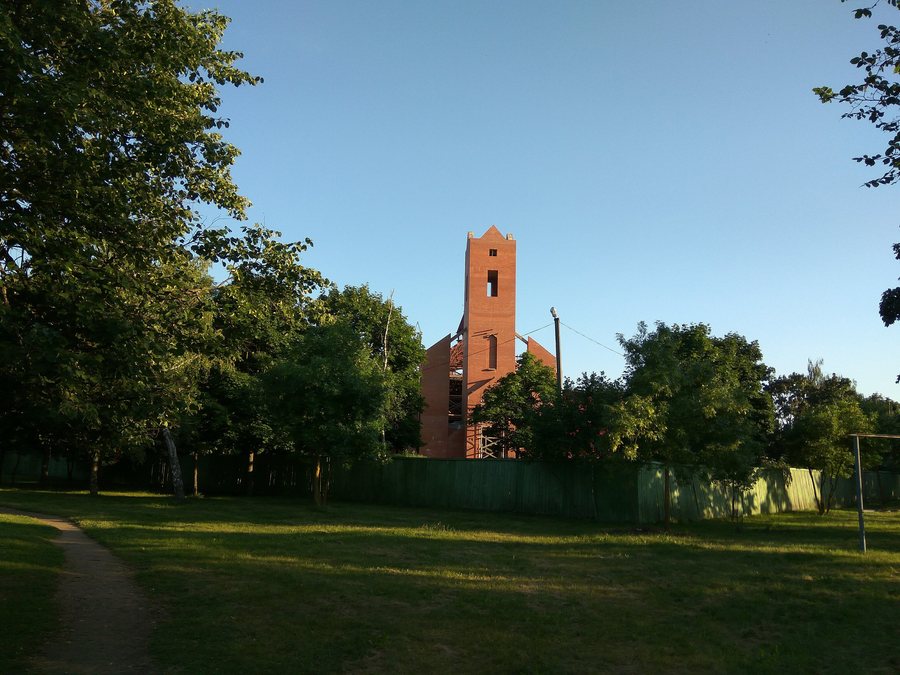 Mogilev Park
Photo: Photo: Чаховіч Уладзіслаў
Mogilev Region at a glance
- At the Slavgorod Blue Spring site, there is a nature trail called “Bird Corner” with 14 stops, a recreation house and pavilions for family recreation. The spring is considered the largest in Belarus and a popular pilgrimage site.
- The Zhilichi Palace and Park Complex is a 19th-century architectural heritage site in Zhilichi, in Kirov District of the Mogilev Region.
- The Pustynki Monastery Complex includes a cathedral, a monastery building with a church, a bell tower, a school, a chapel, two utility buildings and three residential houses.
Where do a spring and a nature trail come together?
The Slavgorod Blue Spring brings together two distinct themes: it is considered a popular pilgrimage site and the largest spring in Belarus. The “Bird Corner” nature trail is also located at the same site. Its 14 stops give the nature theme a clear framework, while the recreation house and pavilions are intended for family recreation.
Those interested in nature and the significance of a spring will find a different focus here than at the region’s historic sites. Family recreation facilities are also part of the site. The religious character, nature trail and designated family recreation can therefore be viewed as different aspects of the same place.
What distinguishes the cultural sites in Zhilichi and Pustynki?
The Zhilichi Palace and Park Complex is a 19th-century architectural heritage site. Its unique coffered ceilings, richly decorated with gilding, are a distinctive feature of the former Bulgakov family estate. A coffered ceiling divides the ceiling surface into individual panels; the gilding gives this architectural detail a striking decorative finish.
The Pustynki Monastery Complex comprises several different buildings: as well as the Dormition Cathedral, it includes a monastery building with a church, bell tower, school and chapel, along with two utility buildings and three residential houses. The Holy Dormition Pustynki Monastery stands on the right bank of the Oslyanka River. According to tradition, a miraculous image of the Virgin Mary appeared at this site, after which a spring began to bubble up from the ground. The spring’s origin is told as a legend.
How do the region’s points of interest differ?
The three examples appeal to different interests: the Slavgorod Blue Spring is known for its spring, pilgrimage site and nature trail. Zhilichi offers a glimpse of 19th-century architectural heritage and its gilded coffered ceilings. In Pustynki, the monastery complex, its varied building types and the legend of the spring shape the picture. When planning your trip, you can first decide whether you are more interested in nature, architectural history or monastic culture; this also gives your search for a hotel a thematic starting point.
What other themes does Belarus offer?
The wider destination of Belarus offers other distinct cultural and natural attractions. Mir Castle combines Gothic, Renaissance and Baroque influences. The Radziwill Complex in Nesvizh includes a residential palace and the Church of Corpus Christi, a mausoleum church with its surrounding grounds. Nesvizh Castle consists of ten interconnected buildings arranged around a hexagonal courtyard. The complex includes a 100-hectare landscape with themed parks and ponds; artificial pools and canals are connected to the Usha River.
Belovezhskaya Pushcha is also part of this wider travel picture: the Belarusian part of the Białowieża Forest lies within a large forest complex on the border between Poland and Belarus and has remained in its natural state thanks to long-term conservation measures. The World Heritage site protects a rich variety of wildlife, including 59 mammal species and more than 250 bird species; the European bison is a characteristic species. Visitor cycling routes of 10, 25, 27 and 45 kilometres are available in Belovezhskaya Pushcha. If you are considering these routes for a trip to Belarus, check the current conditions in advance.
Discover more subregions: Mogilev, Babrujsk, Bychau, Czyhirynka, Zhukovo, Krasnapolle, Mokradź and Staryna.
FAQ
What nature-related attractions does the Slavgorod Blue Spring offer?
The spring is considered the largest in Belarus and a popular pilgrimage site. The “Bird Corner” nature trail, with 14 stops, is also located at the site; the recreation house and pavilions are intended for family recreation.
What is distinctive about the Zhilichi Complex?
Built in the 19th century, the Palace and Park Complex is an architectural heritage site. Its richly gilded coffered ceilings are a distinctive feature of the former Bulgakov family estate.
What legend is associated with Pustynki Monastery?
According to tradition, a miraculous image of the Virgin Mary appeared on the right bank of the Oslyanka. A spring is said to have begun bubbling up from the ground at that spot.
For the wider travel overview: Belarus.
