
Staro Rudo: History, Mausoleums and Remembrance
Accommodation in Staro Rudo
Staro Rudo combines a multifaceted local history with buildings, places of remembrance and an annual commemoration. The place is particularly interesting for you if, while travelling, you want not only to look at landscapes but also understand the historical context of a destination. The key themes range from the old settlement and its bridge to mausoleums, turbes and the Memorial Center.
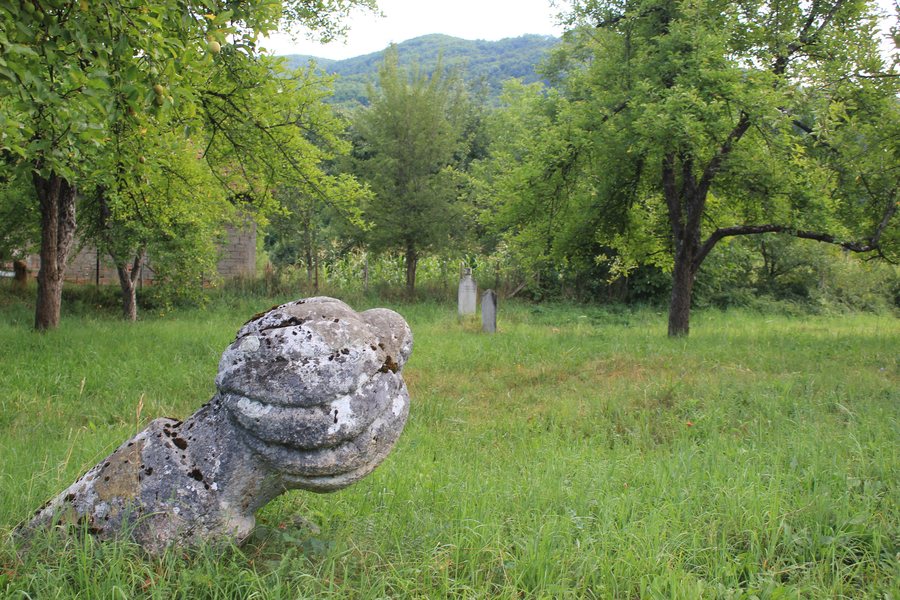
The historic settlement included a bazaar with craft workshops and shops. Mustafa-paša Sokolović had the Lim crossed by a magnificent five-arch bridge. These two details give Staro Rudo a clearly recognisable historical profile: The place was connected with crafts and trade, while the bridge, as a significant structure on the river, forms part of the town's history.
One turbe in Staro Rudo bears the names of civilian victims from this area. Another turbe is located in the cemetery in Staro Rudo. Both details broaden the view beyond individual buildings and show that places of remembrance play a role at different locations throughout the town.
Which historical traces shape Staro Rudo?
The bazaar with its craft workshops and shops represents the economic side of the historic settlement. Visitors can see from this that the town's history was shaped not only by religious or representative buildings. Crafts and trade were also part of the townscape of that time. Those interested in regional history can therefore explore Staro Rudo through various themes: the development of the settlement, its connection to the river and the places where remembrance is preserved.
The five-arch bridge also offers its own approach to the history of the town. Its creation is associated with Mustafa-paša Sokolović and makes the Lim a recurring reference point in several historical contexts. The bridge therefore does not stand in isolation, but can be considered together with the history of the settlement and later forms of remembrance. For travel planning, this thematic connection is more helpful than a mere list of individual names.
What is known about the mausoleum of an unknown dervish?
The mausoleum of an unknown dervish near the Mustafa-beg-Sokolović Mosque in Staro Rudo was a closed, vaulted mausoleum from the 16th century. It was also a small stone turbe of the closed type beneath a wooden roof. These terms describe the structure: A turbe is a mausoleum, while the references to stone, a vault and a wooden roof provide more detail about its external design.
The mausoleum was located in the southern part of the courtyard of the Mustafa-paša Mosque in Staro Rudo. During the great flood, it was submerged on the night of 10–11 November 1896. For visitors interested in architecture and history, this combination of its structural form, precise location within the mosque courtyard and historical fate is particularly revealing. It shows how closely individual buildings were connected with the development of the town and the changes along the Lim.
Which memorial sites belong to Staro Rudo?
The Staro Rudo Memorial Center was erected in memory of 101 victims of the past war. In addition, one turbe commemorates civilian victims from this area, while another turbe is located in the cemetery in Staro Rudo. These sites represent different forms of remembrance. They are therefore particularly significant for travellers who want to engage with the recent history of a destination and do not want to separate historical topics from the rest of the townscape.
The memorial sites complement the older history of the bazaar, mosque, bridge and mausoleum with another temporal layer. This creates a broader picture of Staro Rudo without requiring the individual themes to be equated with one another. When planning, you can decide for yourself whether the focus should be more on the history of the settlement, the religiously influenced buildings or remembrance. Accommodation can accordingly be selected based on the purpose of your own trip, without deriving specific characteristics of a hotel or other accommodation from the historical information.
Which other places can you compare?
If you would like to compare Staro Rudo with other destinations in the wider travel area, you can also consider Karanovac, Nevesinje, Modriča, Šipovo, Njemanica, Ograde, Vrhovina and Slatina. The selection of places helps you gradually narrow down your own travel planning.
FAQ
How many mausoleums are there in Staro Rudo?
There are two mausoleums in Staro Rudo.
When was Staro Rudo founded?
Staro Rudo was founded in 1555 as a foundation of Mustafa-paša Sokolović.
What happened during the great flood of 1896?
During the great flood from 9 to 10 November 1896, the Lim River swept the old Kasaba Rudo away from its left bank.
When is the day of remembrance for the 101 victims held?
The day of remembrance for 101 victims takes place every year on 24 August and includes a flower ceremony at the Staro Rudo Memorial Center. The commemoration includes laying flowers in front of a plaque bearing the names of the victims. As part of the commemoration, a walk leads from the local mosque to the bridge over the Lim. During it, roses are symbolically released into the Lim. The event is organised by the “Medžlis Islamske zajednice Rudo” together with the victims' families.
For the broader travel overview: Republika Srpska.

