
Belene – Nature, Danube and Culture
Accommodation in Belene
Belene brings together the landscape of Persina Nature Park, natural areas, cultural sites and the Danube near Belene. If you are looking for a hotel, considering these different travel interests can help you decide whether Belene is a destination for nature or cultural discoveries.
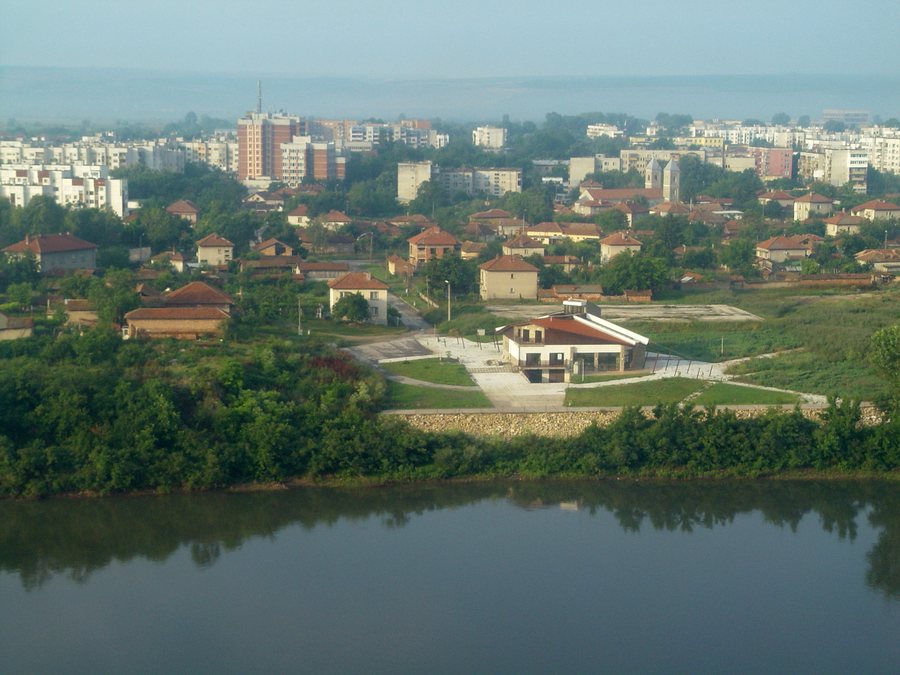
Belene at a glance
Persina Nature Park covers 21,762.2 hectares along the Svishtov-Belene Lowland. It lies within the municipalities of Nikopol, Belene and Svishtov. Around 1,100 animal species are found in the park. The Danube near Belene offers opportunities for fishing and route-based tourism. Nature and cultural interests thus define different aspects of the destination.
What does Persina Nature Park offer nature enthusiasts?
The nature park has designated routes, rest areas and observation huts for birdwatching. This gives your trip a clear focus on nature: birdwatching and the park landscape can take centre stage. A cycling route in the park also leads to the Kaikusha protected area, where habitats for rare waterbirds and plant species are preserved.
Several protected areas have their own distinct features. Persinski Blata is an internationally important wetland with colonies of marsh birds and a breeding site for mute swans. Persin-East includes wetlands and old willow-poplar forests in the eastern part of Persin Island. The Kitka Reserve is designated as a habitat for the white-tailed eagle.
The Belene Islands Complex is also known for its protected-area significance: it is a Ramsar site and is considered Bulgaria’s largest Ramsar site by area. If you are considering Belene primarily for its nature, you will find several distinct themes here—wetlands, forests, waterbirds and the white-tailed eagle’s habitat.
Which cultural sites define Belene?
The Roman fortress of Dimum dates from the 1st to the 7th century. It was declared a monument of national importance in 1968. Alongside its natural areas, Belene therefore also offers a historical connection reaching far back into antiquity.
Other cultural sites are located in the municipality’s villages. The “Praviyat Kamak” menhir in the village of Petokladentsi is a pagan cult monument that was later reinterpreted as Christian. The Orthodox Church of “Saint Petka-Paraskeva” in the village of Tatari was built in 1883 and is still preserved today. The active Orthodox Church of “Saint George” is located in the village of Dekov. The Catholic Church of the “Nativity of Mary” houses a shrine containing relics of Blessed Bishop Evgeni Bosilkov. These places reflect the municipality’s varied religious and historical connections.
A cultural and tourist information centre has also opened in Belene. A dedicated exhibition space focuses on the city’s historical and cultural heritage. Together with Dimum and the churches, it adds a cultural focus to the nature themes. The Belene concentration camp, the only camp in Bulgaria with partially preserved remains, is also part of the area’s history.
How can you include the Danube in your travel plans?
The Danube near Belene offers opportunities for fishing and route-based tourism. The description thus mentions both a specific activity and a focus on tours, without specifying a particular route. If you plan your trip around your interests in nature and culture, you can consider these Danube activities alongside the protected areas and historical sites.
For a closer look at the town itself, you can also find information here about Belene. Other destinations in the same broader area include Cherven bryag, Dolni Dabnik and Pleven.
FAQ
What birdwatching opportunities are available in Persina Nature Park?
The nature park has designated routes, rest areas and observation huts for birdwatching.
Which protected natural areas are among the highlights?
The areas mentioned include Persinski Blata, Persin-East, the Kitka Reserve and the Kaikusha protected area. They represent, among other things, wetlands, old willow-poplar forests, and habitats for birds and plants.
What is the historical significance of the Dimum fortress?
The Roman fortress dates from the 1st to the 7th century and was declared a monument of national importance in 1968.
What activities are possible on the Danube near Belene?
The Danube near Belene offers opportunities for fishing and route-based tourism.
For the broader travel overview: Pleven Province.

