
Bulgaria: Cultural Sites, Pirin and Nessebar on the Black Sea
Accommodation in Bulgaria
Bulgaria brings together very different travel interests: Nessebar is located on a rocky peninsula on the Black Sea, while Pirin National Park is defined by its mountain landscapes. Historical sites, museums and an important wetland offer further starting points for planning your trip.
Bulgaria at a glance
Bulgaria has ten sites inscribed on the World Heritage List. The destinations presented here include the ancient city of Nessebar, Pirin National Park, the Srebarna Nature Reserve, the Rock-Hewn Churches of Ivanovo and the Thracian Tomb of Sveshtari. The examples range from a peninsula on the Black Sea to high-mountain landscapes, museums and historic complexes.
What can you focus on during your trip?
If you are interested in ancient architecture and medieval history, Nessebar offers specific points of interest. Pirin is an option for travelers looking to explore mountain landscapes and marked hiking trails. Srebarna offers a different focus: the protected area is a freshwater lake on the adjacent bank of the Danube and a breeding ground for numerous bird species. Museums and historic sites complement these natural and landscape themes with collections, buildings and insights into regional craft traditions.
You can tailor your search for hotels in Bulgaria to the kind of destination you have in mind, without treating cultural sites, mountain landscapes and protected areas as one and the same experience.
What can you discover in Nessebar?
The ancient city of Nessebar is located on a rocky peninsula on the Black Sea. Its buildings include an acropolis, a temple of Apollo, an agora and a wall from the Thracian fortifications. The city also includes the Basilica of Stara Mitropolia and a medieval fortress. Different historical periods and architectural forms are therefore at the heart of the city: ancient urban areas and fortifications, as well as a basilica and a medieval fortress. If you are particularly interested in history and architecture when traveling, these different elements can help guide your choice.
What characterizes the nature of Pirin National Park and Srebarna?
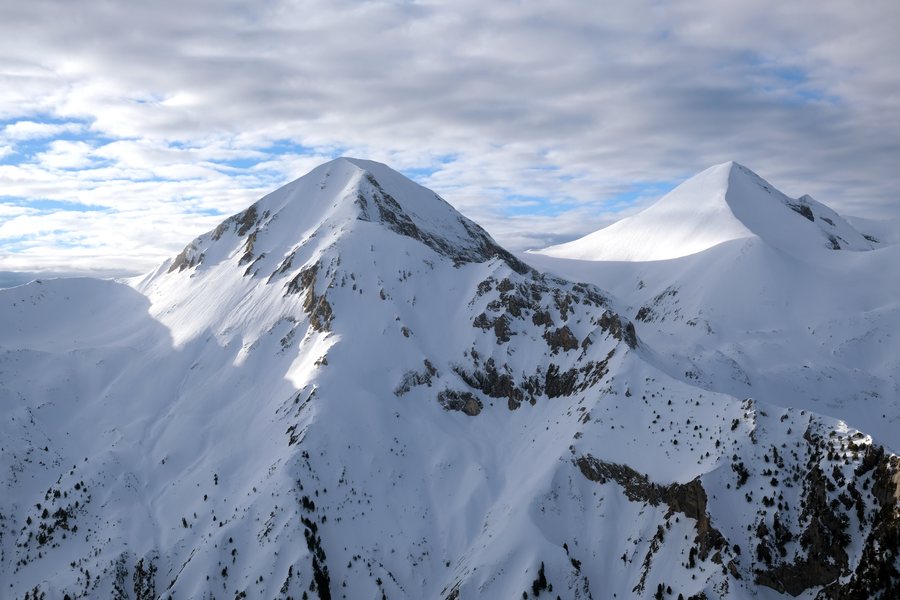
Pirin National Park encompasses diverse limestone mountain landscapes with glacial lakes, waterfalls and caves. Coniferous forests dominate most of the park. Its high-altitude area lies largely above 2,000 meters and is mainly covered by alpine meadows, scree slopes and peaks. For choosing your focus, this means that both forest landscapes and open, high-altitude mountain areas are part of the natural scenery in the same national park.
There are 22 approved and marked hiking trails in the national park. In addition, 2,091 species and subspecies of invertebrates and 247 vertebrate species have been recorded there. These figures give the park a strong biological dimension as well as its landscapes. The Srebarna Nature Reserve is different: it is a freshwater lake covering more than 600 hectares on the adjacent bank of the Danube. It is a breeding ground for almost 100 bird species, many of which are rare or endangered. Pirin and Srebarna therefore offer clearly distinct natural highlights.
Which historic sites and museums suit your interests?
The Rock-Hewn Churches of Ivanovo complex was created in the valley of the Roussenski Lom River near the village of Ivanovo. It includes churches, chapels, monasteries and cells carved into the rock. The Thracian Tomb of Sveshtari, by contrast, centers on a single burial structure: it dates to the 3rd century BC and was discovered near the village of Sveshtari. Inside, notable features include polychrome caryatids with half-human, half-plant forms and painted murals.
Museums also offer a range of perspectives. The archaeology department of the History Museum of Panagyurishte displays replicas of the Panagyurishte Gold Treasure. The treasure find consists of nine vessels and dates from the 4th to the 3rd century BC. A reconstructed 19th-century marketplace in the museum illustrates regional crafts, including goldsmithing, coppersmithing and carpet making. Several museum exhibitions are presented on the grounds of Rila Monastery.
The National Hristo Botev Museum in Kalofer preserves and displays personal belongings, documents, publications and works by Hristo Botev, as well as other materials about his life, family and associates. The museum complex includes a memorial museum in his birthplace, an exhibition hall and monuments to Hristo Botev and Ivanka Boteva. The Shipka National Park Museum on Mount Shipka in the Balkan Mountains contains 26 monuments, as well as reconstructed positions, artillery batteries and shelters used by the defenders of Shipka Pass during the Russo-Turkish War of 1877–1878.
What routes are available at the Etar Open-Air Museum?
Visitors can hike three eco-trails from the Etar Open-Air Museum: Etar–Sokolski Monastery, Etar–Mount Shipka, and an eco-trail through Bulgarka Nature Park. These destinations and route names offer practical guidance for travelers who would like to plan a hike as well as visit museums.
For regional information, you can visit the Bulgarian provinces individually: Plovdiv Province, Smolyan Province, Pazardzhik Province, Kyustendil Province, Sliven Province, Pleven Province, Varna Province, Lovech Province, Shumen Province, Targovishte Province, Gabrovo Province, Vratsa Province, Montana Province, Razgrad Province, Silistra Province, Blagoevgrad Province, Burgas Province, Sofia Province / Sofia, Stara Zagora Province, Veliko Tarnovo Province, Dobrich Province, Ruse Province, Vidin Province, Kardzhali Province, Haskovo Province, Yambol Province and Pernik Province.
FAQ
What characterizes the ancient city of Nessebar?
Nessebar is located on a rocky peninsula on the Black Sea. The buildings mentioned include an acropolis, a temple of Apollo, an agora, a Thracian defensive wall, the Basilica of Stara Mitropolia and a medieval fortress.
How many marked hiking trails are there in Pirin National Park?
There are 22 approved and marked hiking trails in Pirin National Park.
What bird species live in the Srebarna Nature Reserve?
Srebarna is a breeding ground for almost 100 bird species, many of which are rare or endangered.
What does the Panagyurishte Museum display?
The archaeology department displays replicas of the Panagyurishte Gold Treasure, which consists of nine vessels. The reconstructed 19th-century marketplace illustrates regional crafts such as goldsmithing, coppersmithing and carpet making.

