
Kaspichan: Discover History and Nature
Accommodation in Kaspichan
Pliska’s historic sites, distinctive cultural landmarks, and protected areas reveal different sides of Kaspichan. Here, you can weigh up travel interests ranging from archaeological evidence to culture and nature.
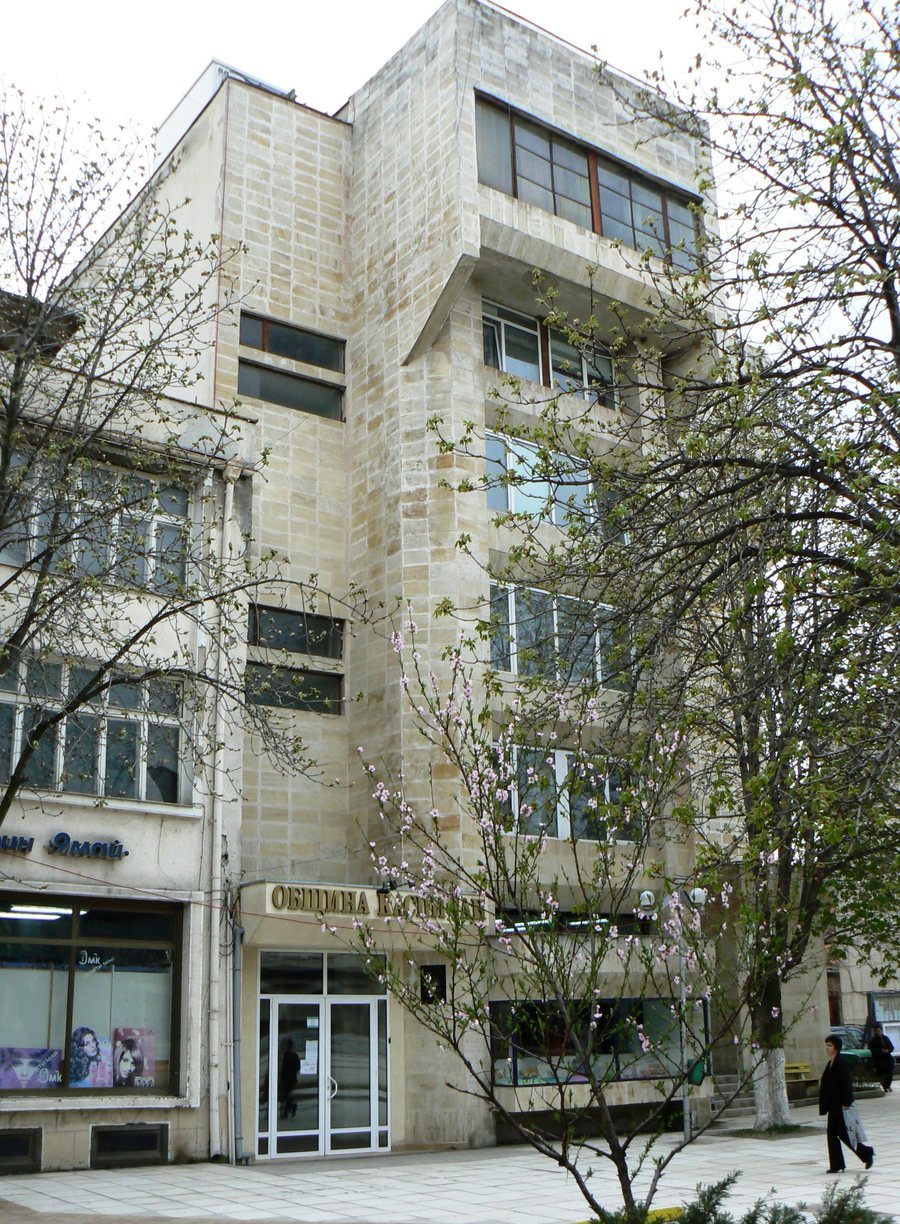 File:Kaspichan-municipality-1.jpg
Photo: Vassia Atanassova - Spiritia via Wikimedia Commons, CC BY-SA 3.0
Kaspichan at a glance
- The Pliska National Historical and Archaeological Reserve preserves the remains of the first Bulgarian capital.
- The Great Basilica of Pliska dates to the late 9th century.
- The Courtyard of the Cyrillic Alphabet opened to visitors in May 2015.
- The municipality’s protected areas include archaeological landscapes and sites designated to protect plant species.
What history can you discover in Pliska?
The Pliska National Historical and Archaeological Reserve Pliska preserves the remains of the first Bulgarian capital. Visitors can see the East Gate, the Throne Hall, also known as Omurtag’s Palace, and the remains of the so-called Small Palace. The museum in the reserve displays cultural and historical relics; the Great Basilica is considered the largest Christian temple and dates to the late 9th century.
The Historical Museum of the Pliska complex offers a different perspective on the past. There, visitors learn about the daily life and material and spiritual culture of the local population from the 7th to the 10th century. For your planning, this means the museum focuses on people and culture over an extended period, while the buildings and remains bring specific archaeological evidence to the fore.
What is part of the Courtyard of the Cyrillic Alphabet?
The courtyard includes a twelve-meter-high cross bearing the Pliska Rosette and a stone chapel. An art gallery and a souvenir shop are also part of the courtyard. It opened to visitors in May 2015; this date refers to its opening at the time. If you are planning a visit, check the current opening hours.
The courtyard offers a different cultural focus from the museum in the Pliska complex: here, the buildings mentioned above and the gallery take center stage, while the museum focuses on the daily life and cultural history of the local population. This can help you decide whether you are particularly interested in material culture, historic buildings, or art.
What nature and hiking options are there?
The “Madarski skalni ventsi” protected area covers 319.13 hectares in Kaspichan Municipality, near Kyuvecha. “Kaniona,” in the territory of Kaspichan, has a different conservation focus: the area was designated to protect plant species of national importance. The Madara National Historical and Archaeological Reserve brings together archaeological monuments, nature, and a unique rock relief.
There are also different options for nature trails. A municipal interim assessment from 2024 mentions the established Kireka nature trail as well as an outdoor recreation, sports, and tourism zone in Kireka. For the nature trail on the Madara Plateau, the same assessment mentions new markings and signposts funded by Kaspichan Municipality. These references concern different offerings; they do not describe a single shared route. If you are planning a hike, follow the markings on site.
The destination page for Kyulevcha offers another starting point if you want to organize your Kaspichan trip by location. Discover more destinations: Varbitza, Shumen, Venetz, Veliki Preslav.
What event information can help with planning?
Two specific past event dates are documented for Pliska. In August 2021, the historical festival “Days of the Ancestors” was held there for the ninth consecutive year. The 2022 cultural calendar listed the National Ethnofolklore Festival “Cherga” at the Pliska National Historical and Archaeological Reserve in June. These details refer to past events, not the current calendar. If a festival is important to your trip, check the dates for your planned travel period.
FAQ
Which period does the Historical Museum focus on?
The museum in the Pliska complex presents the daily life and material and spiritual culture of the local population from the 7th to the 10th century.
Why was the “Kaniona” protected area designated?
It protects plant species of national importance in the territory of Kaspichan.
What information is available about events in Pliska?
Check current dates before your trip.
For the broader travel overview: Shumen Province.

