
Municipality of Marina
Accommodation in Municipality of Marina
Coastal coves, historical traces and marked pilgrimage routes characterize the Municipality of Marina. If you are looking for accommodation for your trip, this guide offers points of reference to help you assess the area according to your interests in the coast, culture, nature and regional cuisine.
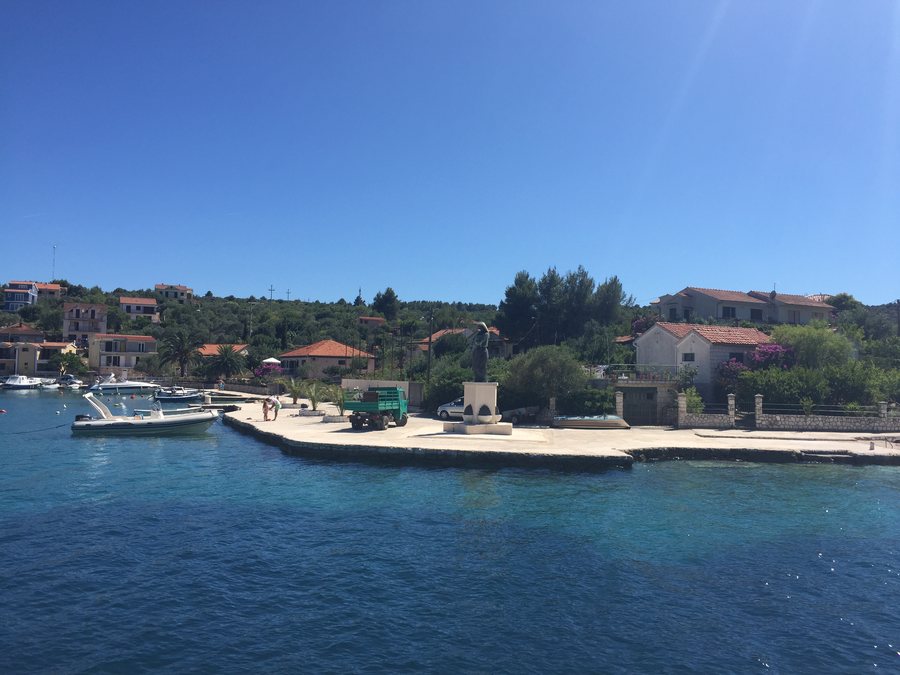 File:Općina Marina, Croatia - panoramio (4).jpg
Photo: Luboš Holič via Wikimedia Commons, CC BY-SA 3.0
File:Općina Marina, Croatia - panoramio (4).jpg
Photo: Luboš Holič via Wikimedia Commons, CC BY-SA 3.0
Quick facts about the Municipality of Marina
- The municipality lies on the Adriatic coastal highway D8, roughly halfway between Split and Šibenik and ten kilometers from Trogir.
- Stari Trogir Bay is almost square in shape and has a long sandy beach; remains of ancient coastal structures can also be seen there.
- The Srednja Dalmacija Camino route is divided into seven daily stages and ends in the Municipality of Marina. The Camino Šibenik route begins here.
- There are just over one million olive trees in Marina. The region is also known for its high-quality olive oils.
Where is the Municipality of Marina?
Its location on the D8 places the Municipality of Marina between the cities of Split and Šibenik; the municipality lies roughly halfway between them and ten kilometers from Trogir.
Marina Agana is located on the northern shore of Marina Bay, in the center of the town. It is a specific landmark for finding your way around. The municipality also includes several settlements, including Marina, Sevid, Vinišće, Poljica, Vrsine, Blizna Donja, Gustirna and Mitlo.
What connects the coast and history?
Stari Trogir Bay combines a striking shape with a long sandy beach. Visible coastal remains there include parts of ancient baths, a cistern, a frigidarium and mosaic fragments. Visitors interested in both coastal scenery and historical traces will find both in this bay, though this does not mean there is a combined walking route or a specific visitor itinerary.
Churches also shape the history of the municipality. The Church of St. Luke in Poljica dates from the 13th or 14th century and still features Gothic elements. The Church of St. Marina was built in the early 16th century outside the former fortified settlement of Bosiljina, at the far end of Marina Bay. Their different dates and locations make the two churches distinct subjects of cultural history.
Vinišće is home to the ancient Jamurine quarry, as well as the Vela and Mala Petlara quarries in Voluja Bay. Together with the coastal remains and churches, they offer further points of interest for travelers interested in historical traces and the use of stone.
What routes and nature experiences are available?
The Srednja Dalmacija Camino route is divided into seven daily stages. The Municipality of Marina is its endpoint and also the first stop on the Camino Šibenik route. Camino signs mark the Srednja Dalmacija route; using its GPS file is also recommended for navigation. If you are planning a pilgrimage route, the stages and signs provide practical points of reference.
Another route is the “Staza zdravlja” (Health Trail). It begins at an outdoor fitness park and runs across part of the peninsula separating Marina from Vinišće. Unlike the Camino information, this describes a trail within a limited section of the peninsula. Another nature stop is the Bliznice ponds: there is a rest area with picnic benches, and the floating water lilies are especially striking in spring.
Vinišće also has secluded coves such as Voluja and Ljubljeva. The coves, the sandy beach at Stari Trogir and the water lilies at the Bliznice ponds offer different landscape experiences.
What characterizes the regional cuisine?
Olive trees and the region’s renowned high-quality olive oils give it a clear culinary identity. There are just over one million olive trees in Marina. The municipality’s tourist offerings also include rural farmsteads (seoska gospodarstva), where locally grown and processed foods are available. These offer two different ways to explore regional cuisine as you plan your trip: olives and oil on the one hand, and other locally grown and processed foods on the other.
In Marina, you can go fishing and then enjoy dishes made with your own catch. Along with the farmsteads, this adds a culinary perspective to the historical and landscape-related attractions.
FAQ
Which Camino route ends in the Municipality of Marina?
The Srednja Dalmacija Camino route ends in the municipality. It is divided into seven daily stages and marked with Camino signs; using the GPS file for navigation is also recommended.
What is special about the Bliznice ponds?
There is a rest area with picnic benches. The floating water lilies are especially striking in spring.
What historical traces can be found in Stari Trogir Bay?
Visible coastal remains include parts of ancient baths, a cistern, a frigidarium and mosaic fragments.
For the broader travel overview: Split-Dalmatia.

.jpg)