
Municipality of Špišić Bukovica: Landscape and Culture
Accommodation in Municipality of Špišić Bukovica
Wooded hills, vineyards, fertile plains, and the Drava shape the Municipality of Špišić Bukovica. There is also a tea-tasting center, insights into local history, and a range of historical traces—a municipality where landscape and culture define the character of the destination.
Quick facts about the Municipality of Špišić Bukovica
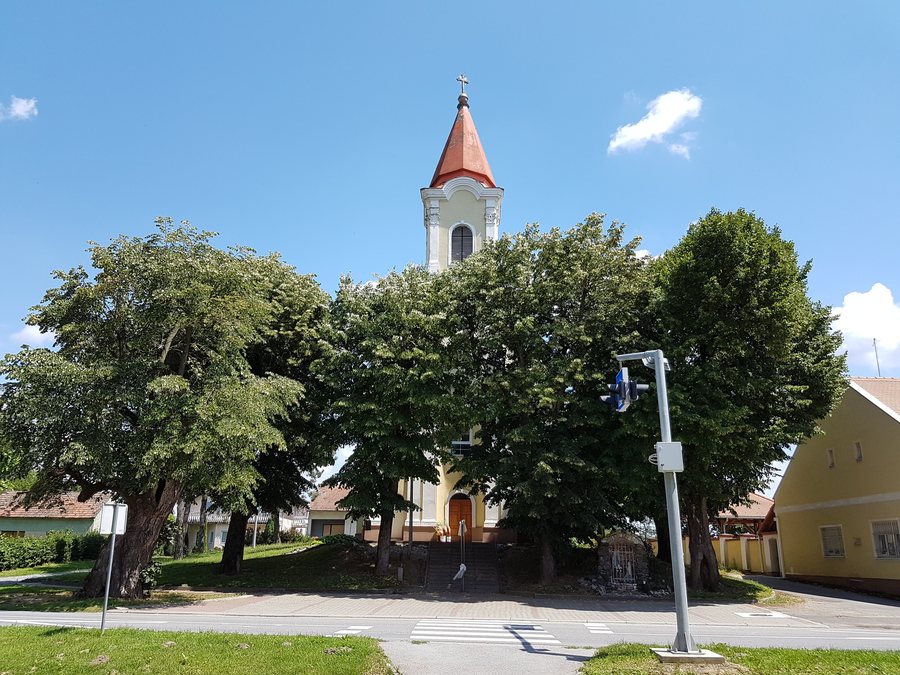
The municipality stretches from the hills of Bilogora to the Drava. The Podravina highway and railway line run through the municipal center of Špišić Bukovica. The “Kuća čaja – Oaza mira” visitor center offers six themed rooms for tea tastings. Cultural attractions include the parish church of St. John the Baptist, built in 1753, and the Zavičajna zbirka Špišić Bukovica.
What kind of landscape defines the municipality?
The landscape varies across the municipality: Bilogora is home to wooded hills and slopes shaped by viticulture, while fertile plains stretch below toward the Drava. This range offers different themes to consider when planning your trip, from views of the hills and vineyards to the landscape along the Drava. The vineyards are on the slopes of Bilogora within the municipality.
Local winemaking is also part of the area’s character. The Vinski “Podrum” in Vukosavljevica has been a meeting place for experienced winemakers from the region for years. Kinkovo, meanwhile, is an excursion destination where visitors can enjoy the peace and quiet of the Slavonian forests. Those interested in local winemaking traditions and wooded landscapes can thus discover different aspects of the municipality without reducing it to a single landscape.
What can you find in the municipal center?
Both the Podravina highway and the railway line pass through the municipal center of Špišić Bukovica.
What historical traces can you discover?
The Zavičajna zbirka Špišić Bukovica displays objects, photographs, and documents relating to the development and life of Špišić Bukovica across different periods. Its archaeological finds span prehistory, the era of the nomads, and the first houses. Other objects illustrate themes of food and traditional life, as well as weaving and textile production. The collection therefore encompasses both early traces of human settlement and everyday activities and craft traditions.
A striking landmark is the parish church of St. John the Baptist in Špišić Bukovica, built in 1753. In Gradina, locally known as Turski grad, there is a very well-preserved medieval fortification. It consists of eight defensive terraces and a plateau; an earthen rampart that fed a large reservoir has also been preserved. The site of Zidine was home to a Benedictine monastery, considered one of the oldest monasteries in Croatia.
The Roman past can also be traced in the landscape: within the municipality, traces of the Roman long-distance road between Ptuj and Osijek are visible between Vukosavljevica and Mali Zagreb. In Čimen Park, traditional Ivanjski Kresovi are lit every year on the eve of St. John’s Day, June 24. The church, fortification, monastery site, road remains, and custom represent different chapters in the area’s history and cultural life.
What other destinations and places can you include?
Rental stations for traditional bicycles and e-bikes have been set up at the Kurija “Špišić” cycling tourism rest stop. To compare with other municipalities, you can also visit the pages for the Municipality of Sopje, the Municipality of Čačinci, the Municipality of Čađavica, the Municipality of Voćin, the Municipality of Gradina, the Municipality of Orahovica, and the Municipality of Lukač. The town of Špišić Bukovica is in the municipal center itself.
FAQ
What landscapes are found in the Municipality of Špišić Bukovica?
The municipality stretches from the wooded hills of Bilogora, shaped by viticulture, across fertile plains to the Drava.
What does the Zavičajna zbirka Špišić Bukovica display?
The collection includes objects, photographs, documents, and archaeological finds, as well as items related to food, traditional life, weaving, and textile production.
Which historical sites and traces are known?
They include the parish church built in 1753, the medieval Gradina fortification, the site of the Benedictine monastery at Zidine, and visible traces of the Roman long-distance road between Vukosavljevica and Mali Zagreb.
For the broader travel overview: Virovitica-Podravina.

