
Discover Jõgeva
Accommodation in Jõgeva
Jõgeva combines a waterside landscape, sporting opportunities and the history of Jõgeva Manor. If you are looking for accommodation, you can understand the character of the place through specific destinations: the bathing and recreation area is located near the centre of the settlement, while the manor house, mill and railway history offer different focal points.
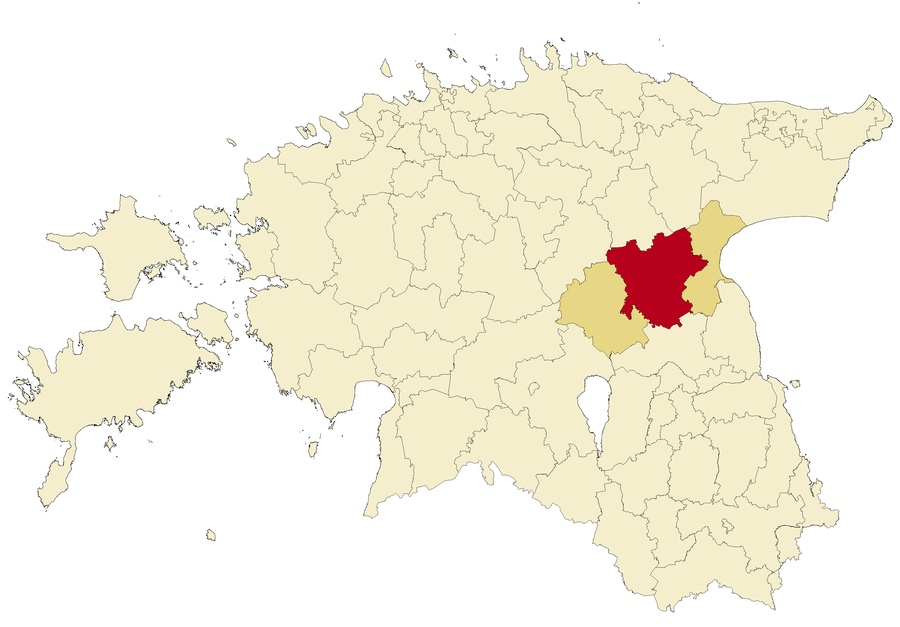
Key facts about Jõgeva
- In Jõgeva alevik, the manor house of Jõgeva Manor is protected as a monument.
- The water system of Jõgeva alevik includes a mill lake, also called Jõgeva paisjärv, as well as a weir with a regulator.
- Jõgeva veskijärv is approximately 1.6 kilometres long.
- There is a natural-grass football stadium at Linnumetsa tänav 28.
For further orientation, you can also visit the pages for Kuremaa, Kärde, Siimusti, Jõgeva and Laiusevälja.
Which waterside destinations define the place?
The water is one of the notable reference points in Jõgeva alevik. The recreation and bathing area is only a short walk from the centre of the settlement, a grocery shop and a playground. The playground is also a factual point of reference for families who consider such facilities when choosing their surroundings.
The water system includes a mill lake, also called Jõgeva paisjärv. The watermill is also located immediately behind the weir. Jõgeva veskijärv is approximately 1.6 kilometres long. This information is particularly helpful if you want to assess the waterside landscape as part of your stay; however, it says nothing about a specific walking time or a designated circular route.
What does Jõgeva Manor tell us about the history?
The manor house of Jõgeva Manor is protected as a monument in Jõgeva alevik. The history of the estate also extends into the region’s educational and agricultural development: in 1766, a school with 23 pupils began operating at Jõgeva Manor. The estate developed into an Estonian centre for varietal breeding.
Plant breeding is also part of the historical profile of the former estate. More than 105 years of plant breeding brought the Jõgeva Yellow potato variety to Estonian dining tables. If you would like to connect cultural history with regional food traditions, this context provides a specific point for discussion and research without reducing the place to a single museum or a particular event.
What role do the railway station and present-day Jõgeva play?
In nearby Jõgeva, the town developed around a railway station built in 1876. The station took the name of Jõgeva Manor. This connection explains why the name of the estate remains visible in the history of the settlement and transport. For your travel planning, it is therefore worthwhile to distinguish carefully between the names Jõgeva alevik, Jõgeva Manor and nearby Jõgeva.
When choosing accommodation, you can first decide which focus is more important to you: water and the bathing area, the history of the estate, or an understanding of the area through the railway station and urban development.
Which other destinations can you put into context?
For regional navigation, Puurmani, Tabivere and Põltsamaa Linn are also available. Use these local pages if you want to compare your travel plans beyond Jõgeva.
FAQ
How long is Jõgeva veskijärv?
Jõgeva veskijärv is approximately 1.6 kilometres long.
Where is the bathing and recreation area located?
The recreation and bathing area of Jõgeva alevik is only a short walk from the centre of the settlement, a grocery shop and a playground.
What historical connections does Jõgeva Manor have?
The manor house is protected as a monument. In 1766, a school with 23 pupils began operating there; the estate also developed into an Estonian centre for varietal breeding.
What connects Jõgeva with the railway station?
In nearby Jõgeva, the town developed around a railway station built in 1876. The station took the name of Jõgeva Manor.
For the higher-level travel overview: Jõgeva.

