
Discover Estonia: National Parks, Islands and Culture
Accommodation in Estonia
Estonia combines protected coastlines, wetlands and islands with historic cities, museums and family-oriented experiences.
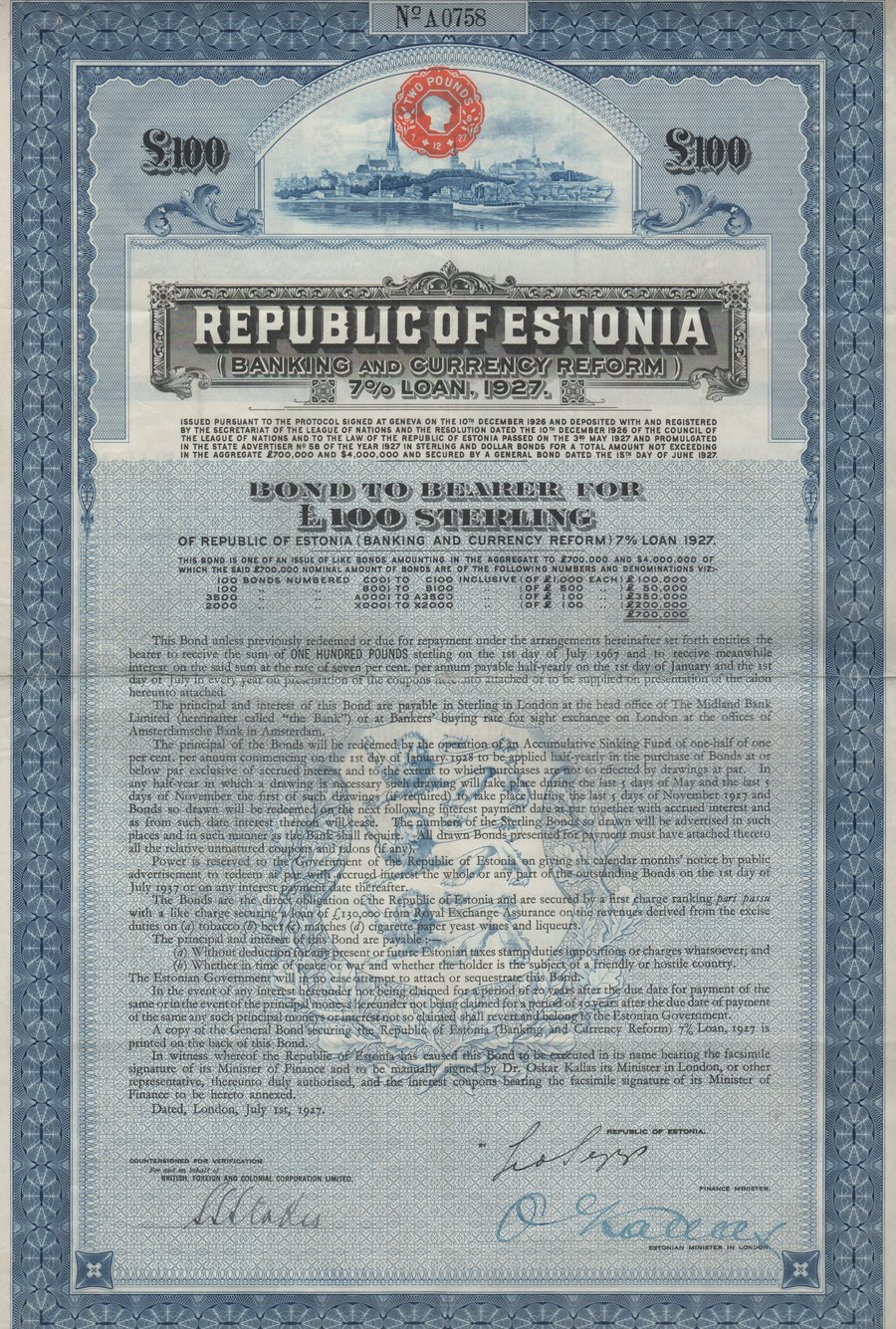 File:Republic of Estonia 1927.jpg
Photo: Unbekannte Autoren und Grafiker; Scan vom EDHAC e.V. via Wikimedia Commons, Public domain
File:Republic of Estonia 1927.jpg
Photo: Unbekannte Autoren und Grafiker; Scan vom EDHAC e.V. via Wikimedia Commons, Public domain
Estonia’s six national parks protect diverse landscapes in all parts of the country. These include rocky bays along the northern coast, extensive wetland and river landscapes, sensitive coastal and island habitats, and other natural areas. For active trips, there are many cycling routes through coastal areas with views of the Baltic Sea and forested paths in national parks.
The possible means of getting around are also varied: Estonia can be explored by car, bus, ferry, bicycle, plane, train or on foot. Regular ferries connect the mainland with most of the larger islands, including Saaremaa, Hiiumaa, Vormsi, Kihnu, Ruhnu and Aegna.
Which landscapes characterize Estonia?
Lahemaa National Park focuses on the rocky bays along Estonia’s northern coast. Soomaa National Park is particularly characterized by its surface structure: more than half of the national park consists of wetlands and rivers surrounded by groups of forests, wooded meadows and flooded plains.
Matsalu National Park is an important destination for birdwatching. Millions of migratory birds visit the park or breed there every year. The Matsalu National Park visitor centre provides information about RMK visitor destinations, the national park, the region’s protected areas and tourism businesses. To prepare for visits to individual natural attractions, the RMK mobile app provides descriptions and facility details for visitor destinations, photos, map locations and directions.
The principle of protection is also clearly expressed on the islands. Vilsandi National Park protects sensitive coastal and island habitats. Two hiking trails, 6 km and 8 km long, begin near the biology centre on Vilsandi Island. This allows you to include routes of different lengths in an exploration of the island without combining the two routes into a single trail.
What trails and island experiences are available?
The 1 km hiking trail on Piirissaar leads south from the harbour to a campsite and the beach. The island also has a boat connection with Laaksaare and Tartu. Another island attraction is the Old Believers’ Museum on Piirissaar. It provides an overview of the culture and way of life of the Old Believers on the island.
For an urban walk, the tour through Tallinn’s Old Town is suitable as a clearly defined route: it starts and ends at Town Hall Square and is 3 km long. Those who want to compare hiking and cycling will find both individual hiking trails with specified lengths and many cycling routes along the coast and through wooded areas in Estonia’s national parks.
What can you experience in Tallinn and Tartu?
Tallinn’s Old Town is a living historical museum. Cobblestone streets, city walls and centuries-old buildings tell stories from more than 800 years. In 1997, Tallinn’s Old Town was added to the UNESCO World Heritage List. The 3 km circular route, starting and ending at Town Hall Square, offers a specific way to explore this historic urban space on foot.
The Estonian Maritime Museum at Fat Margaret devotes its exhibition to Estonian seafaring, from medieval maritime trade to modern cruise shipping. It also features almost 50 digital and interactive solutions.
In Tartu, the Museum of the University of Tartu is located in the city centre on Toomemägi, in the cathedral. The exhibitions present the history of the university and science.
Estonian culture also includes the Võro smoke sauna tradition. It is associated with UNESCO cultural heritage and has both practical and spiritual aspects.
Which experiences are suitable for families?
The AHHAA Science Centre in Tartu offers film screenings in a spherical planetarium and science theatre performances. In the Ice Cream Laboratory workshop, visitors learn about ice cream and make it themselves.
The Estonian Open Air Museum also offers various ways to engage with history. The Shepherd’s Adventure Trail includes ten stations. It leads from the main entrance through the museum farmsteads and natural areas to the living Kolga farm. In addition, the open-air museum offers guided tours by prior reservation. This allows you to distinguish between an independent route with several stations and a pre-booked guided tour.
How do you choose suitable accommodation for your travel idea?
For accommodation planning, specific focuses in Estonia can be compared: Tallinn with its Old Town and Maritime Museum, and Tartu with its university museum and the AHHAA Science Centre. Lahemaa, Soomaa, Matsalu, Vilsandi and Piirissaar offer nature, islands and trails with different landscapes, birdwatching opportunities and hiking trails.
Regional highlights in Estonia are presented on the pages for Võru, Viljandi, Tartu, Pärnu, Harju, Ida-Viru, Valga, Järva, Lääne-Viru, Rapla, Jõgeva, Saaremaa, Hiiumaa, Põlva and Lääne County.
FAQ
How long is the Võsu-Nõmmeveski hiking trail?
The Võsu-Nõmmeveski hiking trail is 19 km long.
What does the admission ticket for the Museum of the University of Tartu include?
With an admission ticket, you can visit all museum exhibitions and the viewing platforms of the cathedral.
How can you explore Estonia?
You can explore Estonia by car, bus, ferry, bicycle, plane, train or on foot.

