
Karula: Nature Trails and Cultural History
Accommodation in Karula
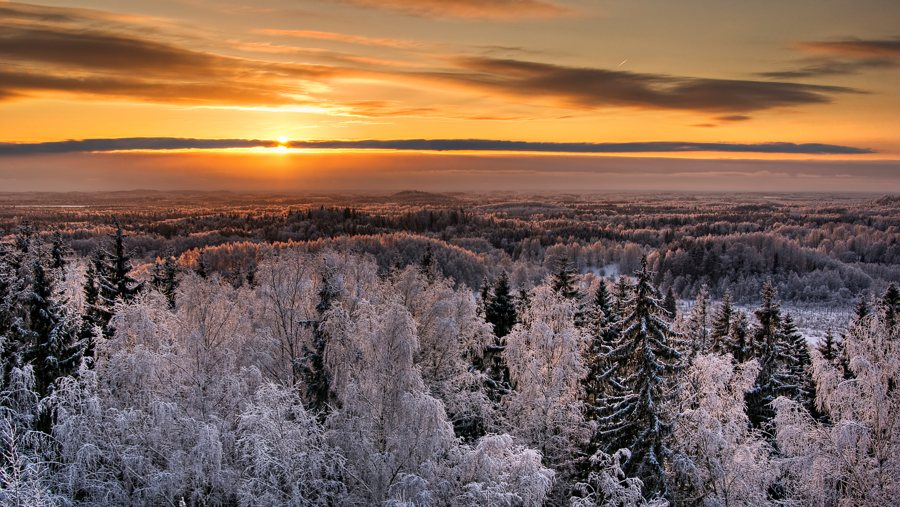
Discover Karula through its forests and lakes, as well as its trails and historic traces. Options range from a forest nature trail and signposted hiking routes to a long cycling route; there are also cultural sites with stories spanning several centuries.
Karula at a glance
- The Ähijärve Trail is 4 km long, and the Rebäse Landscape Trail is 7 kilometres long.
- The Karula Cycling Route covers 50 km through hilly landscapes and several forest tracks.
- There are no grocery stores in Karula National Park.
- The Karula Pikkjärv protected area helps preserve the landscape and nutrient-rich natural lakes.
How do the trails differ?
The hiking trails showcase different aspects of the landscape. The Peräjärve Forest Nature Trail passes through several types of forest. The Ähijärve Trail is 4 km long. The 7-kilometre Rebäse Landscape Trail runs through old farm landscapes. It passes a farm first mentioned in 1586, then continues to Linnamägi Hill. Traces of settlement from the Early Iron Age have been preserved there.
The long Karula Hiking Trail is a signposted circular route through Karula National Park. It has no marked start or end point. Along the route are three information boards, two jetties, a boardwalk and a wooden bridge. This distinguishes the route description from those of the trails for which a specific length is given.
For cycling, the Karula Cycling Route is a 50 km ride through Karula’s hilly landscape and along several forest tracks. The long Karula Cycling Route has four information boards. Hiking trails and the cycling route offer different ways to include forests, paths and landscapes in your travel plans.
What shapes the nature and landscape?
The Karula Pikkjärv protected area helps preserve the landscape of Karula Pikkjärv and its surroundings, as well as the habitat type of nutrient-rich natural lakes. The Karula Pikkjärv Landscape Protection Area also includes Karula village. In these descriptions, the similar names refer to two different protected-area designations.
Karula National Park also offers opportunities to relax and enjoy nature at different times of the year. Near Karula is Lake Ähijärv, where boating and swimming are possible. Children can stay active and explore nature on the children’s trail by Lake Ähijärv. These activities have different focuses: walking paths and forest landscapes sit alongside experiences on the water.
What cultural history can you discover?
Near Karula is Karula Church, which has operated in a converted manor barn since 1997. The church features the stained-glass window “Eucharist” by Estonian artist Dolores Hoffmann. Several stone carvings typical of the 15th century have also been preserved in the old Karula Church. These include a stone with two human figures, known as “Karula noorpaar”.
Lüllemäe Cultural Centre tells a different story. It opened in 1927 as a community hall in a renovated tavern. This enabled the local theatre group to rehearse year-round. Together with the traces on Linnamägi Hill and the farm first mentioned in 1586, these details form part of the different historical themes of the trip.
When looking for accommodation, consider whether your trip will focus more on forest and hiking trails, the cycling route, nature experiences on the water, or cultural history. There are no grocery stores in Karula National Park; bear this in mind when planning a visit there.
FAQ
Which hiking trails have a stated length?
The Ähijärve Trail is 4 km long, and the Rebäse Landscape Trail is 7 kilometres long. The Karula Cycling Route is listed as 50 km long; it runs through hilly landscapes and along several forest tracks.
Are there grocery stores in Karula National Park?
No. There are no grocery stores in Karula National Park.
What can children do at Lake Ähijärv?
Children can stay active and explore nature on the children’s trail by Lake Ähijärv. Near Karula, the lake also offers opportunities for boating and swimming.
To the main travel overview: Karula.

