
Lajosmizse: Churches, Lakes and Sand Landscape
Accommodation in Lajosmizse
In Lajosmizse, historical landmarks range from the late-medieval Pusztatemplom to the Szent Lajos Church, built in 1896. Protected lakes and sand ridges add to the local landscape. This lets you weigh up culture, nature and rail connections as you plan your trip.
Quick facts about Lajosmizse
A ceramic plaque in Szabadság tér depicts the history of Lajosmizse. The Roman Catholic Szent Lajos Church was designed and built in 1896 in the eclectic style. Dating from the late 14th century, the early Gothic Pusztatemplom is another historical landmark.
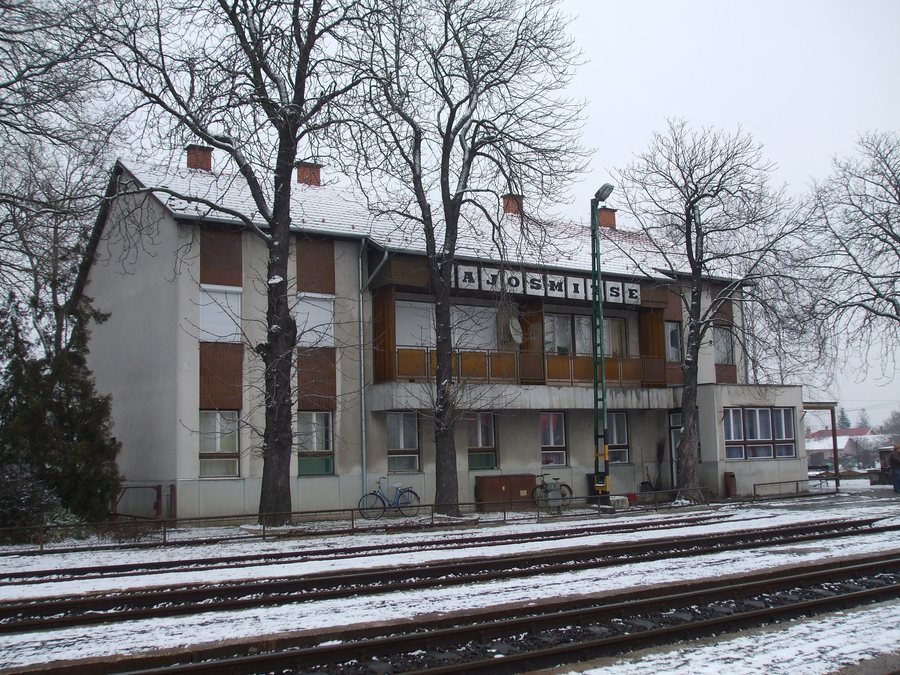
In the outskirts of Lajosmizse, some of the original landforms of the sand-ridge landscape remain, including numerous small sand dunes and ridges. Iskola-tó and Füzes-tó (Horgásztó), together with their surroundings, are locally protected. Lajosmizse is also a transfer station on railway line 142, Budapest–Lajosmizse–Kecskemét.
What architectural history has shaped Lajosmizse?
The Szent Lajos Church was designed and built in 1896 by architect Károly Bachmann in the eclectic style. Its interior has a detail of its own: the main altar and the intricately carved statues are Tyrolean woodcarvings. This architectural and artistic history can be distinguished from that of the early Gothic Pusztatemplom, which dates from the late 14th century.
The Pusztatemplom stood in the Puszta, outside an inhabited area. A ceramic plaque in Szabadság tér depicts the town's history. Together, these different landmarks provide a sense of chronology, without suggesting that the two churches share the same construction period or style.
What shapes the landscape around Lajosmizse?
The sand-ridge landscape is especially evident in the outskirts, where some of the original landforms remain, including small dunes and sand ridges.
The bodies of water are another feature of the area. Much of Iskola-tó is covered with reeds, where mainly duck species and reed warblers breed. Occasionally, eight to ten swans can be seen on the water.
Központi Park and nearly 140 plane trees and horse chestnuts along the main road are locally protected. Recreation and sport fishing are among the stated uses of Füzes-tó. If you plan to visit the lake for these activities, check current access arrangements before you go.
What role do rail and water play in planning?
Lajosmizse is a transfer station on railway line 142, Budapest–Lajosmizse–Kecskemét. The line provides a specific reference point for planning your journey; it is best to check the current timetable to see which connection suits your travel date. This keeps your plans aligned with your actual route.
It is also useful to distinguish between the stated uses of the lakes and the practicalities of visiting them: recreation and sport fishing are listed as uses of Füzes-tó, but that alone does not tell you what access arrangements will apply on the day of your visit. Check before making firm plans to spend time by the water.
What other themes does the Bács-Kiskun destination offer?
The wider destination of Bács-Kiskun offers other distinct cultural and nature-related themes in different locations. In Tiszaalpár, the Tiszaalpár, Földvár educational trail introduces the history of the Bronze Age fortified settlement of Tiszaalpári Földvár and the way of life of people in the Bronze Age. A reconstruction of an Árpád-era village, built for the Millennium celebrations, depicts the settlement layout discovered during local excavations.
For a different cultural focus, visit Kiskunhalasi Csipkeház and Csipkemúzeum, where visitors can learn about the history of Halas lace, which began in 1902, admire centuries-old lacework and watch the lace-embroidery process. In Bugac, the Boróka educational trail is 1,100 metres long; its information boards and activity stations include a forest xylophone and a play telescope. These examples broaden the picture of Bács-Kiskun, but they are not attractions in Lajosmizse.
Discover more destinations: Ágasegyháza, Felsőlajos, Ballószög, Szentkirály, Helvécia, Tiszakecske, Kecskemét and Kerekegyháza.
FAQ
Which historic churches are there in Lajosmizse?
The Szent Lajos Church was built in 1896 in the eclectic style. The Pusztatemplom is an early Gothic church dating from the late 14th century.
What is known about nature at Iskola-tó?
Much of the lake is covered with reeds, where mainly duck species and reed warblers breed. Occasionally, eight to ten swans can be seen there.
Can I go sport fishing at Füzes-tó?
Sport fishing is among the stated uses of the lake. Check current access arrangements before visiting.
What role does Lajosmizse play in rail travel?
Lajosmizse is a transfer station on line 142, Budapest–Lajosmizse–Kecskemét. Check the timetable for your travel date to find a suitable connection.
Go to the wider travel overview: Kecskeméti.

