
Discover Tiszaug: Nature and Churches
Accommodation in Tiszaug
Nature and church architecture come together in Tiszaug. The Közép-Tiszai Tájvédelmi Körzet (Central Tisza Landscape Protection Area) includes the town and protects natural and near-natural habitats, including bodies of water and oxbow lakes. The town also has two churches with different architectural features. When comparing Tiszaug as a travel destination, you can consider whether your main interest is nature, a possible canoe trip, or architecture.
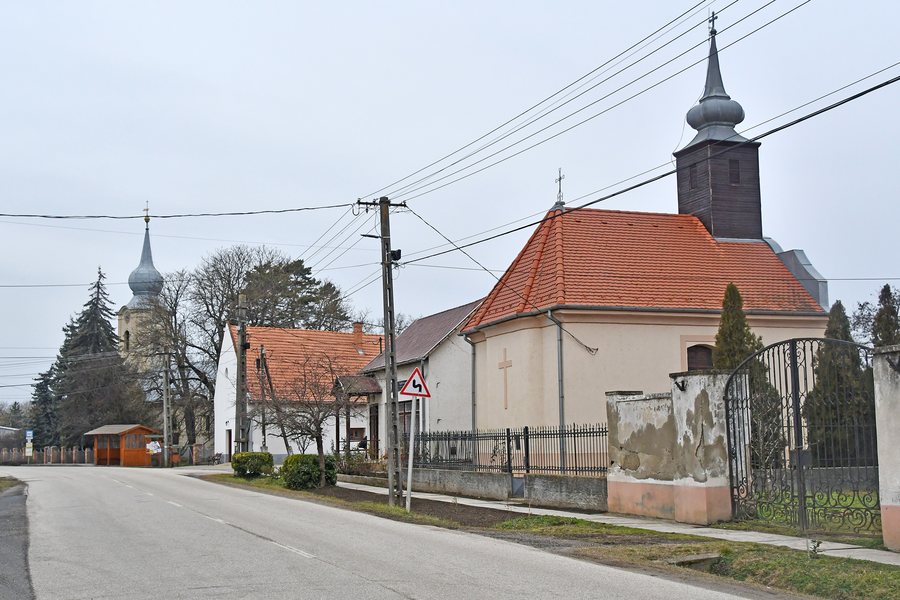 File:Tiszaug, főutca a templomokkal 2025 01.jpg
Photo: Pasztilla aka Attila Terbócs via Wikimedia Commons, CC BY-SA 4.0
Tiszaug at a glance
- The Közép-Tiszai Tájvédelmi Körzet (Central Tisza Landscape Protection Area) includes Tiszaug and protects, among other things, bodies of water and oxbow lakes.
- Canoe rentals may be available on the riverbank below the school; check availability in advance.
- The Reformed Church is a listed building in the late Baroque style. The Roman Catholic Church stands in the town center and was built in 1788.
What does Tiszaug offer nature and water enthusiasts?
Tiszaug is part of the Közép-Tiszai Tájvédelmi Körzet (Central Tisza Landscape Protection Area), whose purpose is to preserve natural and near-natural habitats. The habitats mentioned include bodies of water and oxbow lakes. This gives the nature around Tiszaug a clear focus: waterscapes and their importance to the protected area take center stage.
Canoe rentals may also be available on the riverbank below the school. If you would like to include a canoe trip in your plans, check in advance whether the service is currently available.
Which churches define the town?
The Reformed Church in Tiszaug is a listed, single-nave building in the late Baroque style. It was built around 1780. Its chancel has a flat-ended termination, and a tower stands in front of the façade. These features also make the church interesting to visitors who prefer to consider architecture through individual elements rather than style terms alone: the floor plan, chancel termination, and tower position can be distinguished from one another.
The Roman Catholic Church in central Tiszaug displays a different architectural feature. Built in 1788, it has a wooden roof turret, a small tower on the roof. Taken together, the churches offer two specific points of interest for a walk around town: the Reformed Church is notable for its late Baroque style and façade tower, while the Catholic Church stands out for its roof turret. The dates around 1780 and 1788 also provide a timeline for comparison without suggesting that the buildings are identical.
What else does the wider travel destination of Bács-Kiskun offer?
Beyond Tiszaug, the wider travel destination of Bács-Kiskun offers other distinct nature and culture themes. In Tiszaalpár, the Tiszaalpár, Földvár educational trail presents the history of the Bronze Age fortification of Tiszaalpári Földvár and the way of life of people in the Bronze Age. Also in Tiszaalpár, a reconstruction of an Árpád-era village, built to mark the millennium, depicts a settlement layout discovered during local excavations. Both attractions explore the past but have different focuses: the trail covers the fortification and the lives of its people, while the reconstruction depicts the settlement layout.
Crafts and nature add to these themes in other parts of Bács-Kiskun. At the Kiskunhalasi Csipkeház and Csipkemúzeum (Kiskunhalas Lace House and Lace Museum), visitors can learn about the history of Halas lace, which began in 1902, admire centuries-old lacework, and see the lace-embroidering process. The Boróka educational trail in Bugac is 1,100 meters long and features information boards and interactive stations, including a forest xylophone and a play telescope.
Lake Szelid offers another connection with nature: it is a natural oxbow lake that developed from a branch of the Danube after the Ice Age. The lake’s blue-green algae educational trail has twelve information stations covering the lake’s development, the properties of its water, the organisms that live there, and the surrounding wildlife. It is accessible on foot and by bicycle year-round; local conditions may change. This allows visitors to compare different themes within the wider travel destination without conflating them with Tiszaug’s own features.
Discover more destinations: Helvécia, Ballószög, Ágasegyháza, Orgovány, Tiszakecske, Jakabszállás, Fülöpháza and Kerekegyháza.
FAQ
Where can I rent a canoe in Tiszaug?
Canoe rentals may be available on the riverbank below the school. Check in advance whether the service is currently available.
What distinguishes the two churches in Tiszaug?
The Reformed Church is a listed, single-nave building in the late Baroque style, with a tower in front of the façade. The Catholic Church in the town center was built in 1788 and has a wooden roof turret.
What is the Tiszaalpár, Földvár educational trail about?
The trail in the wider travel destination of Bács-Kiskun presents the history of the Bronze Age fortification of Tiszaalpári Földvár and the way of life of people in the Bronze Age.
See the wider travel overview: Kecskeméti.

