
Discover Kiskunfélegyháza
Accommodation in Kiskunfélegyháza
Kiskunfélegyháza can be explored through a range of themes: museum exhibitions, a walk through the city center, and Borsi-halom with its dry grassland. This allows you to consider culture and landscape separately when planning your trip.
Quick facts about Kiskunfélegyháza
- The permanent exhibition at the Kiskun Múzeum covers art, archaeology, history, and ethnography.
- The Petőfi Sándor Emlékház focuses on family history and the poet’s life, as well as the local cult of Petőfi.
- The former prison of the Kiskun Kapitányság now houses a prison museum.
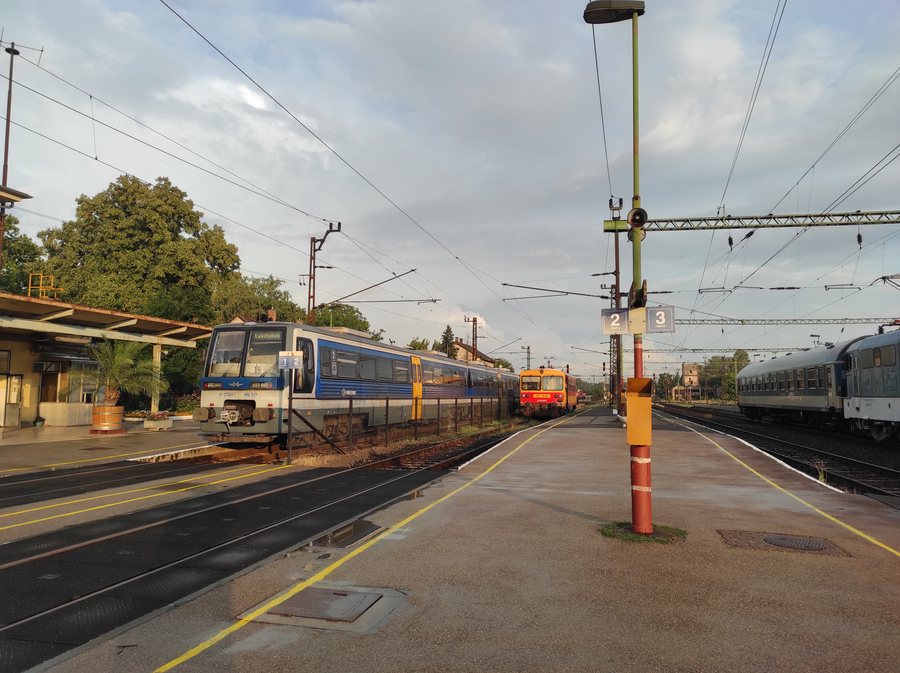
- The Belvárosi körséta passes significant buildings, monuments, and squares on its way to the railway station.
- Borsi-halom is an intact hill with dry grassland on its surface.
What cultural themes do the museums present?
In its permanent exhibition, the Kiskun Múzeum brings together four areas: art, archaeology, history, and ethnography. This breadth of topics offers different points of entry, from artistic works to the study of past eras and ways of life. The open-air area adds a reconstruction to these perspectives: a pit house from the Árpád era illustrates houses from the 11th to the 13th centuries. Alongside the exhibition content, you can therefore encounter a concrete example of historic residential architecture.
The Petőfi Sándor Emlékház focuses on a different connection. Its permanent exhibition covers both family history and the poet’s life, as well as the local cult of Petőfi. The prison museum, meanwhile, now uses the former prison of the Kiskun Kapitányság as a museum. Together, these places offer different cultural points of interest: a wide-ranging museum collection, the memory of a poet, and the current museum use of a former prison.
What can you see on the Belvárosi körséta?
The Belvárosi körséta is one way to explore significant buildings, monuments, and squares in the city center of Kiskunfélegyháza. The route leads from an Art Nouveau town hall past town houses and public buildings to monuments and sculptures. Churches, schools, and landscaped squares are also among the listed stops; the railway station marks the end of the route.
The sequence makes the walk a way to get to know different aspects of the urban environment: residential houses and public buildings stand alongside monuments, churches, and squares. If you would like to include this route in your plans, check the current arrangements before your visit. The Belvárosi körséta is described as a walk; no guided tour is specified.
What landscape feature does Borsi-halom offer?
Borsi-halom differs from the cultural themes in the city center: it is an intact hill whose surface is characterized by dry grassland. The focus here is a landscape feature, rather than an exhibition or a series of urban sights. This distinction is useful when deciding whether to explore a landscape feature as well as museums and architecture.
What other cultural themes are there in Bács-Kiskun?
The broader destination of Bács-Kiskun offers additional themes of a different kind. The Tiszaalpár, Földvár educational trail introduces the history of the Bronze Age fortification of Tiszaalpári Földvár and the way of life of people in the Bronze Age. In Tiszaalpár, a reconstruction of an Árpád-era village, built to mark the millennium, also presents the settlement layout discovered during local excavations. These examples belong to the regional context and are not features of Kiskunfélegyháza.
The Kiskunhalasi Csipkeház and Csipkemúzeum offers a different cultural focus: visitors can learn about the history of Halas lace, admire lacework several centuries old, and see the lace embroidery process. The history of Halas lace began in 1902. Thus, the broader destination of Bács-Kiskun offers archaeological and craft themes alongside the museums and city walk in Kiskunfélegyháza.
Discover more destinations: Kiskunhalas, Kunszentmiklós.
FAQ
What permanent exhibitions are there in Kiskunfélegyháza?
The Kiskun Múzeum presents art, archaeology, history, and ethnography. The Petőfi Sándor Emlékház covers family history and the poet’s life, as well as the local cult of Petőfi.
Where does the Belvárosi körséta end?
The route passes buildings, monuments, churches, schools, and landscaped squares on its way to the railway station.
What is distinctive about Borsi-halom?
Borsi-halom is an intact hill with dry grassland on its surface.
To the broader travel overview: Bács-Kiskun.

