
Belvárdgyula: Church and History
Accommodation in Belvárdgyula
Belvárdgyula offers a specific point of cultural and historical interest: the Reformed Church combines a clearly described architectural history with its hillside setting.
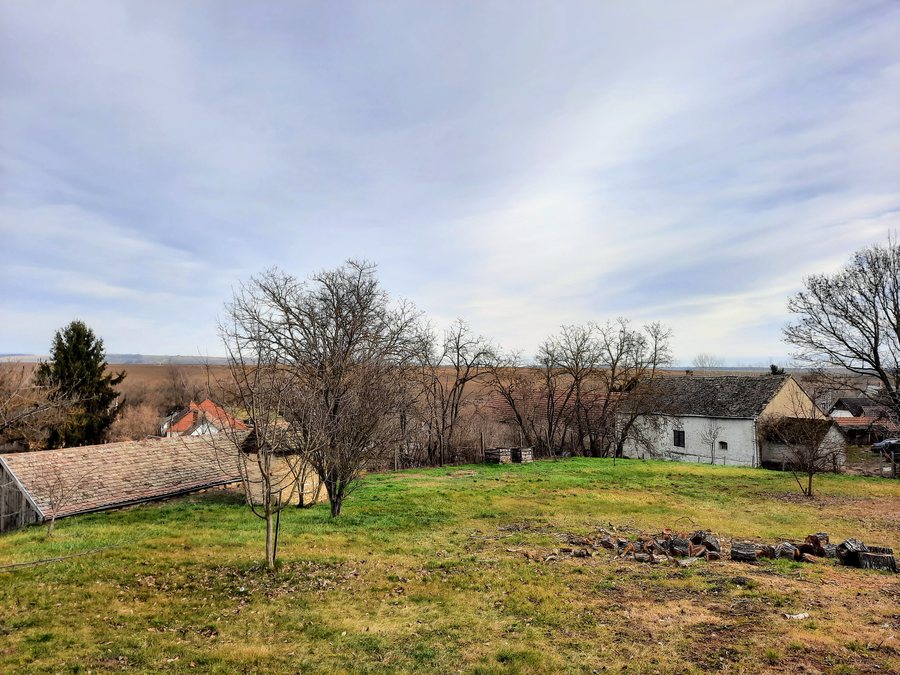
Belvárdgyula at a glance
- The Reformed Church stands on a hillside secured by a retaining wall.
- Its single-aisle nave has a flat eastern end and is oriented east–west.
- Built in 1866 in the Neo-Gothic Romantic style, the church is protected as a local monument.
- Parts of the ruins remain at the site of the former Roman Catholic church, following its collapse and subsequent demolition.
What church history shapes Belvárdgyula?
The Reformed Church can be understood through its architectural form and orientation: the nave has a single aisle, a flat eastern end, and runs from east to west. The secured hillside is also part of its local setting. Together with its construction date of 1866 and Neo-Gothic Romantic style, these features give a specific impression of the architecture that characterizes the building. Its protection as a local monument provides another important point of context.
The site of the former Roman Catholic church tells a different story. After the church collapsed, the building was demolished, but parts of its ruins remain at the site. Belvárdgyula thus has two distinct historical points of interest: the described Reformed Church and the surviving remains of the former church. Visitors interested in architecture and local history can take these differences into account as separate themes when planning their trip.
What cultural attractions are there in the wider destination of Baranya?
In the wider destination of Baranya, the Early Christian Necropolis of Sopianae in Pécs offers a glimpse into 4th-century history. The complex includes decorated tombs built as underground burial chambers with above-ground memorial chapels, and adorned with Christian wall paintings. The Zsolnay Cultural Quarter offers a different perspective on cultural history, with exhibitions including “Golden Age of Zsolnay,” “Pink Exhibition,” and an exhibition on the history of the family and the factory.
Siklós Castle offers another distinct historical focus. It is considered one of Hungary’s best-preserved military complexes and one of the country’s most significant Renaissance buildings. Modernization of the museum wing also opened up the Gothic section, which had previously been inaccessible to visitors. These regional cultural attractions are quite different from the church-history sites in Belvárdgyula.
What nature and family experiences does Baranya offer?
In the wider destination of Baranya, the Ős-Dráva Visitor Center near Szaporca offers an interactive exhibition, a demonstration farm area with hands-on farming, and three themed educational trails. They share information about traditional farming, the Ős-Dráva program, and the wildlife along the Drava. The farming area features native Hungarian domestic animals, including Hungarian Grey cattle, Mangalica pigs, Hucul horses, and traditional breeds of sheep and poultry.
The Old Drava Wilderness Educational Trail focuses on birdwatching and spending time outdoors. Its facilities include a birdwatching and bird-ringing station, a lookout point, a photography hide, a covered activity area, and several rest areas. For children, the Zsolnay Cultural Quarter in the wider destination of Baranya offers, among other things, outdoor playgrounds, an interactive lab, a planetarium, the Bóbita Puppet Theatre, a ceramic painting workshop, and classes at the Hercules Workshop. The quarter’s publicly accessible outdoor area can be entered and used free of charge during opening hours; check the opening hours before your visit.
How can you combine culture and food in Baranya?
For a different kind of outing, the cellar row in Villány, in the wider destination of Baranya, offers year-round opportunities to go from cellar to cellar and sample wines and tasty food. There are options to suit different interests: church and architectural history in Belvárdgyula, exhibitions and historic sites in Baranya, or nature-focused activities and regional tastings. Then compare accommodation based on the places you plan to visit and the type of lodging you want.
Discover more destinations: Bóly, Bár, Somberek, Szederkény, Görcsönydoboka, Hassagy, Monyoród, Mohács.
FAQ
When was the Reformed Church in Belvárdgyula built?
It was built in 1866 in the Neo-Gothic Romantic style and is protected as a local monument.
What remains of the former Roman Catholic church?
Parts of its ruins remain at the site following the collapse and subsequent demolition.
What activities for children are described in the wider destination of Baranya?
The Zsolnay Cultural Quarter offers, among other things, outdoor playgrounds, an interactive lab, a planetarium, the Bóbita Puppet Theatre, a ceramic painting workshop, and classes at the Hercules Workshop.
To the wider travel overview: Mohácsi.

