
Bóly: Culture and History
Accommodation in Bóly
In Bóly, an Easter custom more than a hundred years old, a mausoleum and a local history exhibition take center stage. When planning your trip, it helps to distinguish these local attractions from other experiences in the wider destination of Baranya.
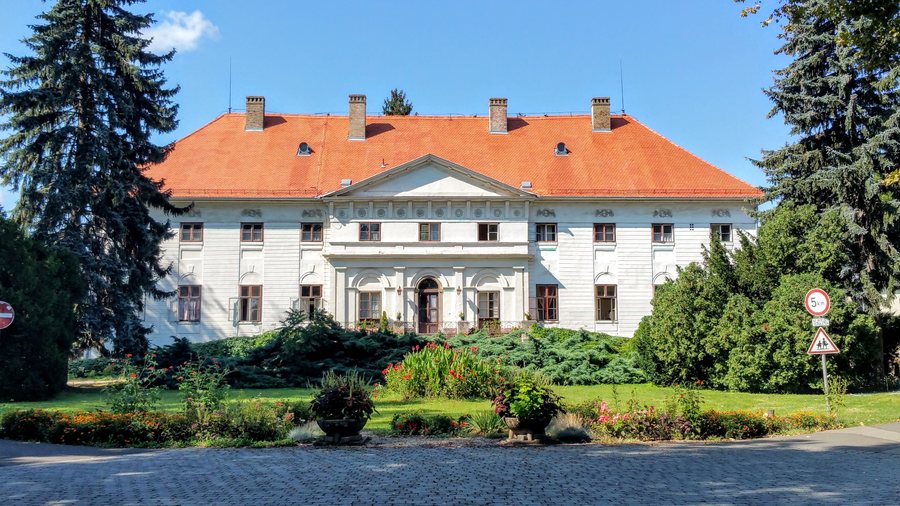 File:Batthyány-Montenuovo-kastély Bólyban.jpg
Photo: Györkő Zsombor via Wikimedia Commons, CC BY-SA 4.0
File:Batthyány-Montenuovo-kastély Bólyban.jpg
Photo: Györkő Zsombor via Wikimedia Commons, CC BY-SA 4.0
Quick Facts About Bóly
- The Batthyány–Montenuovo Mausoleum was commissioned in 1879 by Batthyány Julianna, the wife of Montenuovo Vilmos. It is designed in the Neo-Romanesque and Neo-Gothic styles.
- The local history and ethnographic exhibition opened on March 15, 2001, on the upper floor of a former granary on the Batthyány estate, built in 1752.
- On Easter Monday, families, relatives and guests make their way to the cellar village surrounding Bóly for the Emmausz-Járás.
Which cultural sites define Bóly?
At the mausoleum, you can see two distinct architectural styles in one building: Neo-Romanesque and Neo-Gothic design. It was commissioned in 1879 by Batthyány Julianna, the wife of Montenuovo Vilmos. The connection between the person who commissioned it, the year and the architecture gives the site a clear cultural and historical significance, without requiring a comprehensive overview of local history.
The local history and ethnographic exhibition offers a different perspective. It opened in 2001 on the upper floor of a former granary on the Batthyány estate. The building itself dates from 1752. When planning your trip, you can therefore consider the exhibition and the building’s history together: the venue is a granary with its own historical date, while the exhibition focuses on local history and ethnography.
What can you learn about the Emmausz-Járás?
The Emmausz-Járás is a German-Bóly folk custom that is more than 100 years old. On Easter Monday, families head with relatives and guests to the cellar village surrounding Bóly. The custom is therefore tied to a particular time of year and a specific destination. If you want to plan your trip around this event, use Easter Monday as your reference point; the tradition described is not a year-round cultural offering.
Compared with the two cultural sites, it has a different focus: the mausoleum and the exhibition are presented through their architectural history and local themes, while the Emmausz-Járás is defined by a recurring custom and its participants. This can help you decide whether to focus your trip planning on architecture and exhibitions or on a tradition held on a fixed date.
What other experiences are available in the wider destination of Baranya?
Baranya offers distinct cultural attractions that are not part of Bóly. In Pécs, the Early Christian Necropolis of Sopianae includes decorated tombs dating from the 4th century. Underground burial chambers were connected to above-ground memorial chapels, and Christian wall paintings adorn the structures. Siklós Castle is another historic attraction: it is among Hungary’s significant Renaissance buildings and one of the country’s best-preserved military complexes. Modernization of the museum wing also opened up the Gothic section, which had previously been inaccessible to visitors.
At the Zsolnay Cultural Quarter in Pécs, the themes range from exhibitions on the history of the family and factory to “Golden Age of Zsolnay” and “Pink Exhibition.” For children, there is an interactive lab, a planetarium, the Bóbita Puppet Theatre, a ceramic painting workshop, classes at the Hercules workshop and outdoor playgrounds. The outdoor area is free to access during opening hours; check the current hours before your visit.
Nature and agriculture also add to the range of experiences in Baranya. The Ős-Dráva Visitor Center near Szaporca combines an interactive exhibition with a farm demonstration area where practical farming methods are shown. Its three educational trails teach visitors about traditional agriculture, the Ős-Dráva program and the wildlife along the Drava. The farm area features, among others, Hungarian Grey cattle, Mangalica pigs, Hucul horses, and old breeds of sheep and poultry. If you want to combine culture and food, Villány’s cellar row offers year-round opportunities to go from cellar to cellar and sample wine and food.
How do you choose accommodation for your trip?
First, consider which experiences are the main reason for your trip: the cultural sites and Easter custom in Bóly, or other attractions across the wider destination of Baranya as well. You can then choose your accommodation based on which experiences are most important to your trip.
Discover more destinations: Szederkény, Szajk, Görcsönydoboka, Dunaszekcső, Majs, Palotabozsok, Feked and Véménd.
FAQ
Who commissioned the Batthyány–Montenuovo Mausoleum?
Batthyány Julianna, the wife of Montenuovo Vilmos, commissioned the mausoleum in 1879. The building is designed in the Neo-Romanesque and Neo-Gothic styles.
When does the Emmausz-Járás take place?
The folk custom, which is more than 100 years old and originally German-Bóly, takes place on Easter Monday. Families make their way with relatives and guests to the cellar village surrounding Bóly.
Where is the local history and ethnographic exhibition located?
It opened on the upper floor of a former granary on the Batthyány estate. The granary was built in 1752, and the exhibition opened on March 15, 2001.
What should you consider when looking for accommodation?
Tailor your search to whether your trip focuses mainly on Bóly or also includes other attractions in the wider destination of Baranya.
See the wider travel overview: Mohácsi.

