
Discover Fony: Trails, castle remains and regional cuisine
Accommodation in Fony
Fony combines a long tradition of drying plums with local history and trails to historic sites. Here you can find information about the sights, the two trail themes and what to consider when planning your trip.
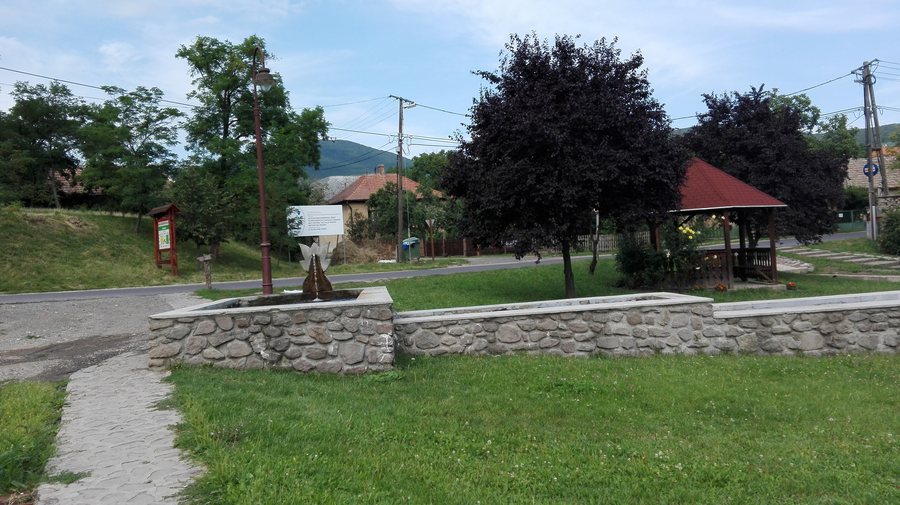
Fony at a glance
- Plums have been dried in Fony for centuries.
- Local landmarks include the Tájház at 9 Rákóczi út and the Örömvölgyi cellars.
- The Fony–Fonyi sáncvár route is moderately difficult and becomes steep shortly before the destination.
- The start of the Hiúzok tanösvény is by a covered rest area on Agyagos-tető; parking is available there.
What culinary traditions are associated with Fony?
Dried plums have been part of local tradition for several centuries. The Berzence plum grows in the surrounding area. Its good quality and high nutrient content are attributed to the volcanic soil. This gives regional food culture a tangible connection to local produce.
Krumplilángos is also part of the traditional cuisine: the potato flatbread was baked on a stove or hotplate and then spread with plum jam or fat. Those interested in regional cuisine can discover, alongside plum processing, a savoury dish whose preparation and toppings have been passed down through generations.
Which places tell the story of Fony and its history?
Sights in the village centre include the Tájház at 9 Rákóczi út and the Örömvölgyi cellars. The latter are on Kertalja Street in the valley of the Bors stream. Their names and locations offer an initial reference point for understanding the local history and distinctive features of the area.
Fonyi sáncvár is on the edge of the village. It may have been built in the Late Bronze Age and used up to the time of the Hungarian Conquest, possibly even beyond.
Another historic castle is Amadé vár. Its construction is dated to the 1270s or 1280s; its builder and owner was Aba Amadé, a palatine. During the Bebek family's period of ownership, the castle began to slowly fall into ruin in the mid-15th century. Today, only remnants of the former rampart and keep remain. This history differs from the possible Bronze Age story of Fonyi sáncvár and offers another historical perspective.
What should you know about the trails and their starting points?
On the Fony–Fonyi sáncvár route, the climb is almost steady until shortly before the destination, where it suddenly becomes steep. The route is rated moderately difficult. Drinking water is available along the way and near the destination; availability may vary. When planning the route, therefore, take both the steep final climb and the changing availability of water into account.
The starting point of the Hiúzok tanösvény is on Agyagos-tető, by a covered, open-sided rest area on the left side of the road. You can park your car there, too. From Fony, follow road 3716 towards Mogyoróska to reach Agyagos-tető.
How can you tailor your accommodation search to your trip?
This information can help you match your interests to your travel plans before comparing hotels. Choose your focus based on the experiences you actually want to include.
Discover more destinations: Korlát, Gönc, Regéc, Boldogkőváralja, Abaújszántó, Arka, Göncruszka, Telkibánya.
FAQ
How challenging is the route to Fonyi sáncvár?
It is rated moderately difficult. The nearly steady climb suddenly becomes steep shortly before the destination. Drinking water is available along the way and near the destination; availability may vary.
Where does the Hiúzok tanösvény begin?
The starting point is on Agyagos-tető, by a covered rest area on the left side of the road. From Fony, you can reach the area by taking road 3716 towards Mogyoróska. Parking is available at the rest area.
What is krumplilángos?
This traditional dish is a potato flatbread, baked on a stove or hotplate and spread with plum jam or fat.
To the regional travel overview: Abaúj–hegyközi.

