
Discover Gönc: History, Exhibitions and Landscape
Accommodation in Gönc
Gönc brings together the history of the Bible and the town, evidence of small-town life, medieval wine trading and the hilltop ruins of Amadé Castle. Its themes range from valuable early printed books and church art to the local apricot tradition.
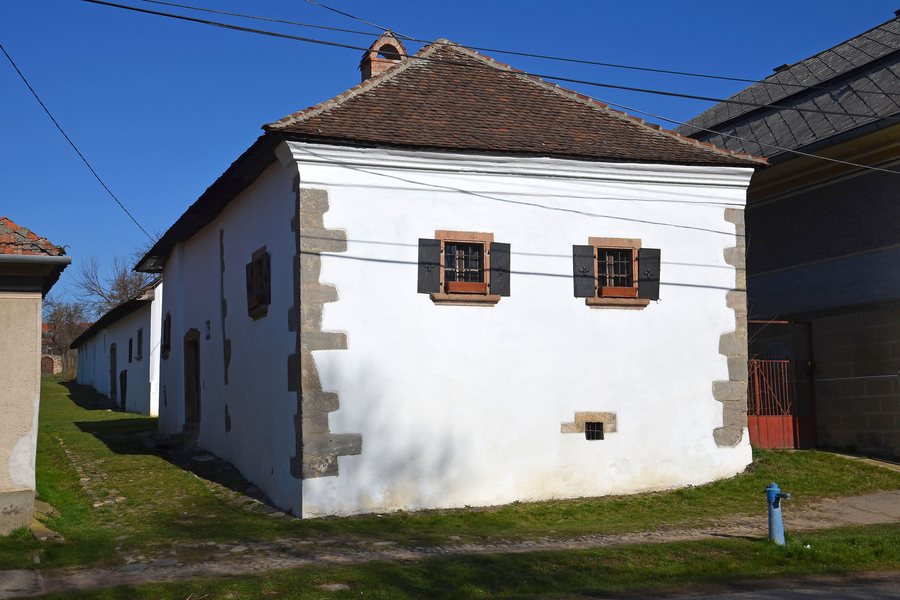 File:Gönc, huszita ház 2020 01.jpg
Photo: Pasztilla aka Attila Terbócs via Wikimedia Commons, CC BY-SA 4.0
Gönc at a Glance
- The Károlyi Gáspár Museum and Bible Exhibition span several rooms covering local history, early printed books, church art and Bibles.
- The Huszita-ház is a fortress-like residential building with objects illustrating the way of life in the late 19th century.
- The Pauline monastery, also known as the Boldogasszony or Szűz-Mária Monastery, was first mentioned in 1371.
- The ruins of Amadé Castle lie outside the built-up area at 650 metres above sea level.
- Gönci magyar kajszi apricots are grown in Gönc; Gönc apricot brandy is among the Hungarika.
What stories of local history do the museum and exhibition tell?
The Károlyi Gáspár Museum and Bible Exhibition bring together a range of subjects. One room is devoted to local history, another to valuable early printed books. There is also a room on the history of church art and a Bible room with Bibles in various translations and languages. Interactive exhibition elements complement the displays. Local history, book culture and church art are presented side by side.
Gönc’s medieval economic history is also part of this picture. The town took part in the trade in Hegyalja wines: the wines were transported and the barrels needed for them were made there. The Pauline monastery in Gönc was first mentioned in 1371 and is also known as the Boldogasszony and Szűz-Mária Monastery.
What does the Huszita-ház show about life in the town?
The building known as the Huszita-ház is a fortress-like residence. Its furnishings display objects illustrating the small-town, peasant-burgher way of life in the late 19th century. Agriculture and trade shaped this way of life; the collection offers a glimpse of a world in which the two areas worked together.
The cellar contains a Gönc barrel with a capacity of 136.6 litres, which was also used as a unit of measurement. Gothic window fragments from the nearby Pauline monastery are displayed alongside it. The barrel illustrates a specific function as a measure, while the fragments connect the display to the monastery’s architectural history. If you are planning to visit the cultural sites, check current visiting options in advance.
How do the castle landscape and local products differ?
The ruins of Amadé Castle lie in the Zemplén Mountains, outside Gönc’s built-up area. They stand on the western side of the summit ridge of Nagy-Amadé, 650 metres above sea level. Their location sets them apart from the historic buildings and exhibition venues in the town.
The apricot is another local point of reference: Gönci magyar kajszi apricots are grown in Gönc, and Gönc apricot brandy is among the Hungarika. Together with the medieval history of wine transportation and barrel-making, this paints a picture in which cultivation, trade and craftsmanship represent different aspects of the town’s history.
What other themes does Borsod-Abaúj-Zemplén offer?
The wider destination of Borsod-Abaúj-Zemplén offers further distinct regional themes beyond Gönc. The Baradla-Domica cave system is part of the UNESCO World Heritage property Caves of Aggtelek Karst and Slovak Karst. The short Aggtelek Cave Tour is 1 kilometre long, takes 60 minutes and is considered easy. The Hucul herd can be viewed year-round on the pastures of Gergés-lápa, around 1.5 kilometres north of Jósvafő. As animal-management arrangements may change, check current visiting options before planning your visit.
The region also has architectural and wine-related history: the Ungvári cellar labyrinth in Sátoraljaújhely links at least 27 cellars and covers an area of 50,000 square metres. Beneath the park of Rákóczi Castle in Sárospatak is a cellar complex around 2,000 metres long, with two rooms for wine tastings. These examples broaden the picture of Gönc with other regional highlights without conflating them with the town’s own attractions.
Discover more destinations: Boldogkőváralja, Abaújvár, Telkibánya, Abaújszántó, Hejce, Hernádszurdok, Regéc, Vizsoly.
FAQ
What topics does the Bible Exhibition in Gönc cover?
It includes Bibles in various translations and languages, as well as rooms covering local history, early printed books and church history. Interactive exhibition elements complement these topics.
What is the Huszita-ház?
It is a fortress-like residential building. Its furnishings display objects illustrating the small-town, peasant-burgher way of life in the late 19th century, shaped by agriculture and trade.
Where are the ruins of Amadé Castle?
They stand outside the built-up area of Gönc in the Zemplén Mountains, on the western side of the summit ridge of Nagy-Amadé, at 650 metres above sea level.
How did Gönc take part in medieval wine trading?
Gönc took part in the trade in Hegyalja wines by transporting the wines and making the barrels needed for them.
For the wider travel overview: Abaúj–hegyközi.

