
Discover Sajógalgóc: Local History and Landscape
Accommodation in Sajógalgóc
Sajógalgóc combines distinctive architectural history with a strong connection to its landscape: a Baroque residential building, the church with its historic restoration, and Várhegy provide concrete points of interest to help you plan your trip.
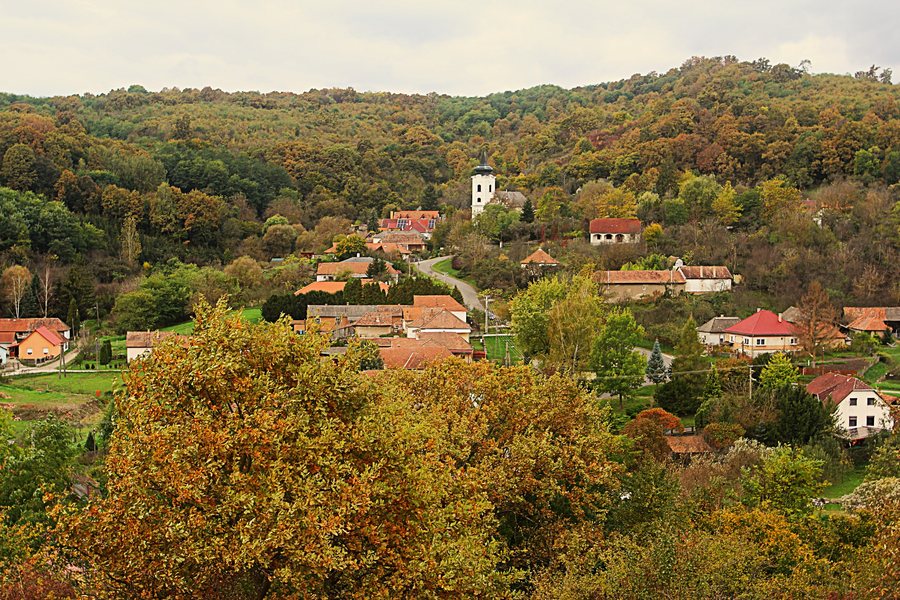
Sajógalgóc at a glance
- The Baroque, heritage-listed residential building was constructed in 1756 and was probably renovated and extended in the 19th century.
- Next to the church stands a carved memorial post dedicated to the Hungarian writer Tamási Áron.
- On 30 July 1868, a fire destroyed the tower and roof of the Church of Our Lady of the Visitation; the cathedral chapter restored it shortly afterward.
- Várhegy, 262 meters high, lies south of Sajógalgóc beside the village.
What architectural history can you discover in the village?
The residential building, constructed in 1756, represents Sajógalgóc’s Baroque architectural history. Its later development should be described with one qualification: a renovation and extension in the 19th century are considered likely. Both the period in which it was built and the cautiously stated later changes form part of the building’s story. This historical connection offers a distinct cultural focus for your trip without requiring an interior visit.
The church also tells the story of a clearly dated event. On 30 July 1868, a fire destroyed its tower and roof. The cathedral chapter restored it shortly afterward. Together with the residential building, it offers a glimpse of two different aspects of local history: the Baroque origins of a residential building and the restoration of a church after a fire.
Next to the church, a carved memorial post commemorates Tamási Áron, a Kossuth Prize laureate and Hungarian writer. Its location links the memorial post to the church, while its purpose is to remember the writer. The residential building, church, and memorial each offer a different focus rather than repeating a single historical theme.
How can you describe the local landscape?
South of the village, Várhegy rises beside Sajógalgóc to a height of 262 meters. Its name and elevation offer a simple way to orient yourself in the local landscape. Together with the buildings, it provides another way to experience the village: through its landscape as well as its history.
If you are looking for a hotel in Sajógalgóc, these local highlights can help you decide how to balance your interests in architectural history, memorial culture, and landscape.
What else does the wider destination of Borsod-Abaúj-Zemplén have to offer?
Beyond Sajógalgóc, the wider destination of Borsod-Abaúj-Zemplén offers other distinct attractions. For example, the Baradla-Domica cave system is part of the UNESCO World Heritage site of the Caves of the Aggtelek and Slovak Karst. The short tour in Aggtelek Cave is one kilometer long, takes 60 minutes, and is rated “easy.” A nature trail connects the Aggtelek and Jósvafő entrances to Baradla Cave and introduces visitors to the area’s natural and cultural history.
The landscape and wildlife viewing also broaden the range of options in Borsod-Abaúj-Zemplén. The Hucul herd can be seen year-round on the pastures of Gergés-lápa, about 1.5 kilometers north of Jósvafő. In the Zemplén Landscape Protection Area, local landscape conditions influence plant and animal life; the area is part of the Zemplén Mountains.
There are also other regional examples for those interested in cultural and viticultural history. The Tokaj Wine Region is legally protected as a wine-growing area; its climate, soils, and slope exposure are suitable for growing grapes. In Sátoraljaújhely, the Ungvári cellar labyrinth links at least 27 cellars and covers an area of 50,000 square meters. Beneath the park of Rákóczi Castle in Sárospatak lies a cellar complex about 2,000 meters long, with two rooms for wine tastings.
Discover more destinations: Trizs, Kazincbarcika, Alsótelekes, Mályinka, Dédestapolcsány, Tardona.
FAQ
What is known about the Baroque residential building in Sajógalgóc?
It was built in 1756. A renovation and extension in the 19th century are considered likely.
What happened to the church in 1868?
On 30 July, a fire destroyed the tower and roof of the Church of Our Lady of the Visitation. The cathedral chapter restored it shortly afterward.
Where is Várhegy, and how high is it?
Várhegy lies south of Sajógalgóc beside the village and is 262 meters high.
See the wider travel overview: Kazincbarcikai.

