
Trizs: Valley, Protected Landscape and Traditions
Accommodation in Trizs
Trizs lies at the upper end of the erosion valley of the Csörgős-patak. Protected areas, the preservation of traditions and a proposed circular route reveal different sides of the village. When planning your trip, you can distinguish these local themes from other experiences in the broader destination of Borsod-Abaúj-Zemplén.
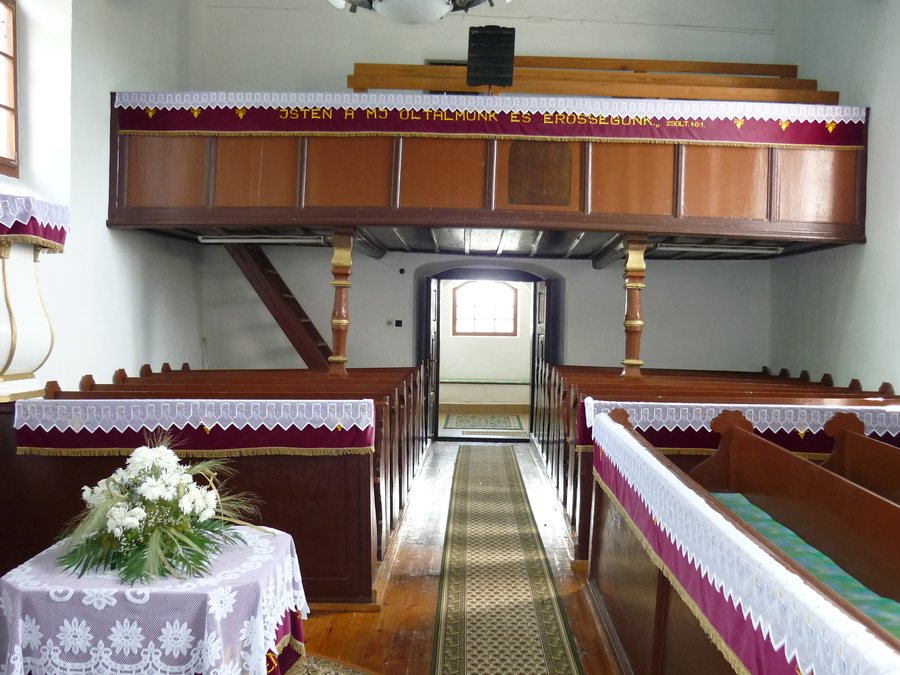 File:Trizsi református templom bútorzata.jpg
Photo: Pásztörperc at Hungarian Wikipedia via Wikimedia Commons, CC BY-SA 2.5
Trizs at a glance
- Trizs lies at the upper end of the erosion valley of the Csörgős-patak.
- The Szuha-völgy Natura 2000 protected area covers 1,039 hectares; 4 hectares lie within the territory of Trizs.
- The proposed Galyasági circular route passes through Trizs; detours lead to Égerszög and Teresztenye.
- Traditions and folk customs inspired increased production of local products.
How do the valley and protected area shape the landscape?
Trizs lies in a nature-rich area at the upper end of the erosion valley of the Csörgős-patak. South of the village, the Szuha-völgy Natura 2000 protected area extends along both sides of the Csörgős-patak. It is home to wet meadows, tall sedge beds and semi-dry grasslands.
The figures refer to two different scales: the protected area covers 1,039 hectares in total, while 4 hectares of it lie within the territory of Trizs. The total area of the protected site should therefore not be confused with the portion within Trizs.
What routes and nature experiences are available?
The proposed Galyasági circular route passes through Aggtelek, Trizs, Ragály, Imola, Kánó, Szőlősardó, Road 27, the Kenyérgyári junction, Szin, Szinpetri and Jósvafő. Detours lead to Égerszög and Teresztenye. The sequence of places gives you a concrete overview of the route described.
A report dated January 19, 2017, describes the hiking trail to the Hét vezér fái in a quiet, restful forest on the outskirts of Trizs. Before your visit, check whether the trail is currently accessible.
How do traditions and local products connect with Trizs?
The community of Trizs continues to preserve its traditions and folk customs; these inspired increased production of local products. The ingredients for these products come from the Gömör region: from fruit trees and their descendants, as well as cultivated berry plantations. Together, these customs and regional ingredients represent part of the local character.
What other themes does Borsod-Abaúj-Zemplén offer?
The broader destination of Borsod-Abaúj-Zemplén offers other nature and culture experiences. The Baradla-Domica Cave System is part of the UNESCO World Heritage-listed Caves of Aggtelek Karst and Slovak Karst. The short Aggtelek cave tour is 1 kilometer long, takes 60 minutes and is rated easy—a clearly defined timeframe to help you plan.
Another nature experience is watching the Hucul herd in the pastures of Gergés-lápa, about 1.5 kilometers north of Jósvafő. It can be visited year-round. As arrangements for keeping the animals may change, check in advance whether visits are possible. This means the broader destination offers both a cave tour with a set duration and a year-round opportunity to observe animals.
How can you tailor your hotel search to your trip?
First, consider whether your trip will focus primarily on Trizs, its landscape and traditions, or whether you would like to include other themes in the broader destination of Borsod-Abaúj-Zemplén.
Discover other destinations: Kazincbarcika, Tardona, Mályinka, Sajógalgóc, Alsótelekes, Dédestapolcsány.
FAQ
How much of the Szuha-völgy protected area lies in Trizs?
The Natura 2000 protected area covers 1,039 hectares in total. Of this, 4 hectares lie within the territory of Trizs.
Is the trail to the Hét vezér fái currently accessible?
A report dated January 19, 2017, describes the hiking trail in a quiet forest on the outskirts of the village. Before visiting, check whether the trail is currently accessible.
Where do ingredients for local products from Trizs come from?
The ingredients come from the Gömör region, including from fruit trees and their descendants, as well as cultivated berry plantations.
Go to the broader travel overview: Kazincbarcika.

