
Discover Csernely: Church, History and Regional Cuisine
Accommodation in Csernely
Get to know Csernely through three specific themes: a Baroque church with an organ dating from 1790, the history of the Csevice Spring, and a regional specialty filled with potatoes.
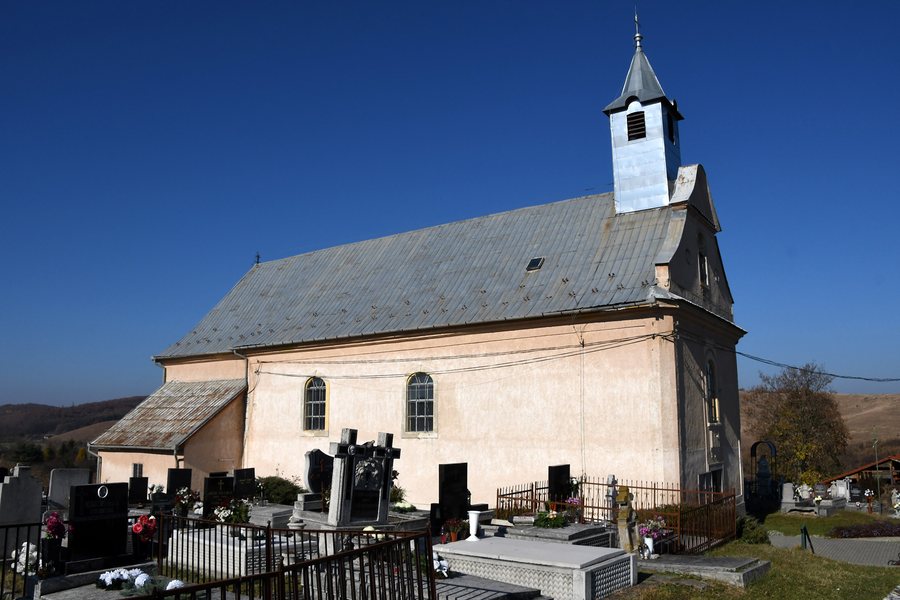 File:Csernely, római katolikus templom 2021 01.jpg
Photo: Pasztilla aka Attila Terbócs via Wikimedia Commons, CC BY-SA 4.0
Csernely at a glance
The Roman Catholic church was built in the 18th century in the Baroque style. Its organ dates from 1790 and remains in working order after restoration and repair. The local history of the Csevice Spring also reaches back to the 18th century: its carbonated water was associated with healing properties before the spring disappeared during mining. The túrós derelye filled with potatoes is considered the town’s culinary signature.
What do the church and organ tell us about Csernely?
The church and organ provide two specific time markers for understanding the town’s history. The church is said to have been built in the 18th century, while the organ can be dated more precisely to 1790. This places a broader historical period alongside a specific year, without treating them as equivalent. The Baroque style adds an architectural dimension to this historical context: anyone interested in religious buildings will find more here than just a name on the map.
The organ’s condition is also part of its history: it remains in working order after restoration and repair. This connects the historical date with later maintenance. The organ is therefore a specific point of reference for understanding Csernely’s cultural heritage, alongside the history of the church’s construction. Together, these details invite you to consider the church not only as an 18th-century building, but also through an instrument with a more precise date.
What is the history of the Csevice Spring?
Discovered in the 18th century, the Csevice Spring made Csernely known for its carbonated water. The water was believed to have healing properties; this is a traditional attribution, not a claim of medical efficacy here. The spring disappeared during mining. Its local history thus links a natural feature with a later change: the spring is part of Csernely’s history, which did not end with its discovery.
For planning a trip, it is useful to distinguish between the spring’s past significance and its history today. The Csevice Spring can be understood as a historical topic, while the church and organ offer their own datable points of reference. Together, these three themes offer different ways to explore Csernely: its architectural history, a historic instrument, and the memory of a spring that disappeared during mining.
What is typical of the local cuisine?
The túrós derelye filled with potatoes is considered Csernely’s culinary signature. Its filling makes the specialty easy to describe; the dish also offers a different way to get to know the town than its church, organ or spring history. For travelers who consider regional cuisine when choosing a destination, it adds a local dish to the town’s cultural profile.
What else is there to explore in the wider Borsod-Abaúj-Zemplén destination?
In the wider Borsod-Abaúj-Zemplén destination, the Baradla-Domica Cave System is part of the UNESCO World Heritage-listed Caves of the Aggtelek Karst and Slovak Karst. Another kind of experience is the short Aggtelek Cave Tour: it is 1 kilometer long, takes 60 minutes and is rated easy. The length and duration provide a specific guide to the time required; the rating describes the tour’s level of difficulty.
Also in the wider Borsod-Abaúj-Zemplén destination, the Hucul herd can be viewed year-round in the pastures of Gergés-lápa. The area is about 1.5 kilometers north of Jósvafő. If you choose to include this in your plans, check the visiting conditions before your visit.
There are different themes to choose from: Csernely’s local history and culinary signature on the one hand, and cave tours and herd watching as themes of the wider Borsod-Abaúj-Zemplén destination on the other. When looking for a hotel, you can first decide whether you are mainly interested in Csernely itself or in exploring this broader destination. This helps guide your search for the right destination without treating the different themes as interchangeable.
Discover more destinations: Királd, Ózd, Nekézseny, Járdánháza, Putnok, Uppony and Bükkmogyorósd.
FAQ
When was the church in Csernely built?
The Roman Catholic church was built in the 18th century in the Baroque style.
What is known about the church organ?
The organ dates from 1790 and remains in working order after restoration and repair.
Which specialty is considered Csernely’s signature dish?
The túrós derelye filled with potatoes is considered the town’s culinary signature.
For the wider travel overview: Ózdi.

