
Discover Budakalasz
Accommodation in Budakalasz
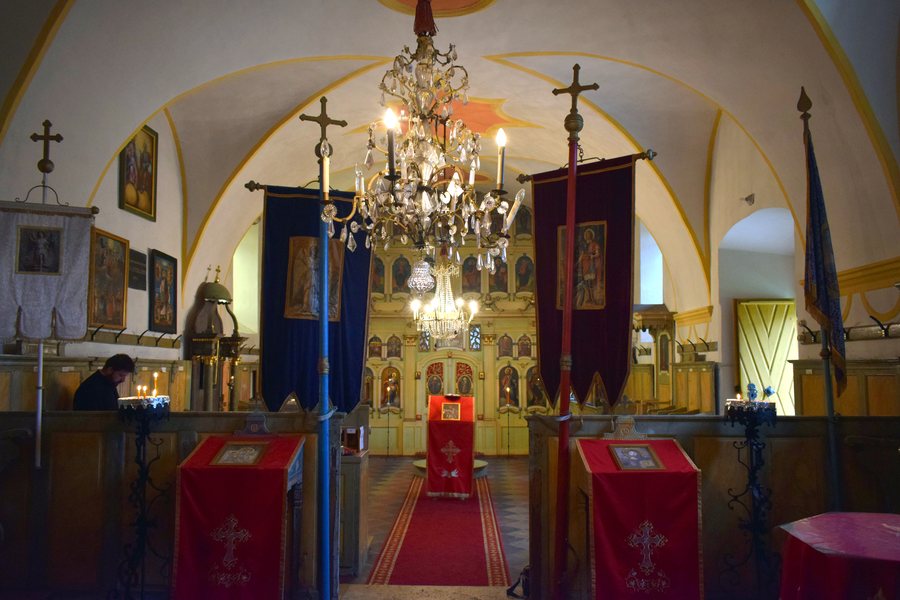
Budakalasz offers travelers a range of points of interest: the oldest part of town, Ófalu, with a Serbian Orthodox church; Omszk-tó, which was created by gravel extraction; and the Danube Riverbank, which is accessible by bicycle. When choosing where to stay, you can consider whether culture, scenery or a cycling trip is especially important for your visit.
Quick facts about Budakalasz
- The Serbian Orthodox Church of Szent Gábriel Arkangyal was built in 1752 and is one of Budakalász’s four nationally protected architectural monuments.
- The area around the church forms Ófalu, the oldest part of town.
- Omszk-tó is a gravel pit lake created by gravel extraction in the 1960s, on Tanító utca.
- Luppa-sziget is protected as a local conservation area.
- The Danube Riverbank is accessible by bicycle; there are two designated rest stops along the cycling route.
What defines the historic town center?
The Church of Szent Gábriel Arkangyal offers two specific points of reference in Budakalász: it is a Serbian Orthodox church built in 1752 and one of the town’s four nationally protected architectural monuments. Its surroundings are part of Ófalu, the oldest part of town. Travelers looking to focus on historic places and architecture will find a clearly defined point of interest here.
The Budakalászi Helytörténeti Múzeum can also be noted as a separate point of interest for getting your bearings in the town. It is located at Budai utca 31.
How do the scenic destinations differ?
Omszk-tó is not a natural lake, but a gravel pit lake created by gravel extraction in the 1960s. Its location on Tanító utca and its origins make it a different kind of destination from the historic town center.
Another distinctive feature is Luppa-sziget, which is protected as a local conservation area. For travelers who also take the protection of individual areas into account when choosing destinations, this status provides a useful point of reference.
What should you know before a cycling trip?
The Danube Riverbank in Budakalász is accessible by bicycle. There are two designated rest stops along a cycling route. A bike ride to the riverbank is therefore one possible travel idea if you would like to combine some exercise with time by the water. You can use the two rest stops as points of reference for breaks; these details do not indicate a specific route length or travel time.
The places mentioned appeal to different interests: the church and Ófalu represent the historic town center, Omszk-tó is a lake created by gravel extraction, and the Danube Riverbank is a destination for a cycling trip.
What information can help you find your way around?
LupaWake is about a 20-minute walk from Budakalász railway station. This approximate walking time refers to LupaWake and the station. For another specific point of reference, note the address of the Budakalászi Helytörténeti Múzeum: Budai utca 31.
If you would like to explore more destinations, you can also find Budaörs and Budapest.
FAQ
When was the Church of Szent Gábriel Arkangyal built?
The Serbian Orthodox church in Budakalász was built in 1752.
How was Omszk-tó formed?
The gravel pit lake was created by gravel extraction in the 1960s. It is located on Tanító utca in Budakalász.
How far is LupaWake from Budakalász railway station?
LupaWake is about a 20-minute walk from Budakalász railway station.
For the broader travel overview: Budapest.

