
Budaörs: Nature, Hiking Route and History
Accommodation in Budaörs
Budaörs combines hiking and landscape with archaeological and local history sites. For planning your trip, you can distinguish between destinations by their character: from the archaeological park, which offers insights into everyday life in earlier times, to the dolomite rock grassland slope at Törökugrató, where visitors can enjoy a profusion of blooms in spring.
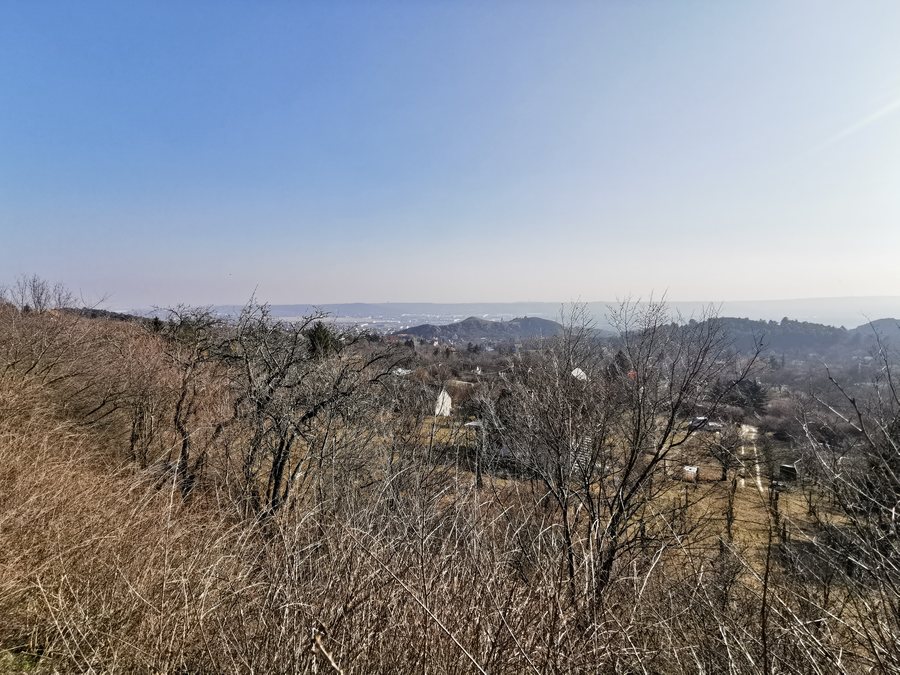
Budaörs at a glance
- The German-Hungarian Military Cemetery and Peace Park was inaugurated in 2002 and is located on Route 8102 between Budaörs and Budakeszi.
- A hiking route passes through the disused Budaörs quarry and returns to the built-up part of the city.
- Nature and landscape conservation are the focus at Budaörsi Kopárok; Törökugrató is 249 m high.
Which cultural sites can you visit?
The German-Hungarian Military Cemetery and Peace Park is west of Budaörs’s built-up area, on Route 8102 between Budaörs and Budakeszi. The Peace Park was inaugurated in 2002. Its location by the road gives you a clear point of reference when including this site in your travel plans.
The Bleyer Jakab Local History Collection, housed at 45 Budapesti út, offers another perspective on local history. A wealthy farming family once lived in the five interconnected rooms. The collection is therefore located in a building whose former use as a home is part of the town’s history. If you are planning a visit, check current visiting arrangements in advance.
What does the archaeological park at Csiki Pihenőkert showcase?
The Árpád-era archaeological park is connected with excavations of the medieval village of Csik. Its listed features include a thatched pit house, bread-baking and pottery kilns, yurts, and period gardens. The house, kilns, and gardens illustrate different aspects of the ancestors’ everyday life, which the park introduces to visitors. This focus differs from that of the local history collection, which is tied to a former home in Budaörs. For a specific visit, check current visiting arrangements.
What natural and landscape features define Budaörs?
Budaörsi Kopárok is considered an important natural asset. Its native flora and fauna, as well as the unique character of the landscape, are protected under the expert supervision of the Danube–Ipoly National Park Directorate.
At Törökugrató, by contrast, the focus is on a specific elevation and habitat: it is 249 m high and features a particularly valuable, protected dolomite rock grassland slope. Visitors can enjoy a profusion of blooms there in spring. This lets you distinguish the seasonal flowering feature from the stated conservation aims at Budaörsi Kopárok.
How do you reach the starting point of the hike?
From Kelenföld metro station, you can reach the starting point of the hike at Budaörs Town Hall on bus routes 40, 40B, 40E, 88, 88A, or 188. Check the bus routes again before you travel so that your journey plans are based on the current timetable.
A hiking route passes through the disused Budaörs quarry and returns to the built-up part of the city. The quarry is therefore part of the route description; the information identifies both the path through the area and the return to the built-up district. It complements the information about starting at Town Hall with a specific landscape reference, without implying that the two route descriptions are the same.
Discover more destinations: Budapest, Budakalasz.
FAQ
Which bus routes go to the hiking start at Town Hall?
From Kelenföld metro station, you can reach the starting point at Budaörs Town Hall on routes 40, 40B, 40E, 88, 88A, or 188. Check the timetable again before you travel.
What is included in the archaeological park at Csiki Pihenőkert?
The park includes a thatched pit house, bread-baking and pottery kilns, yurts, and period gardens. These features illustrate the ancestors’ everyday life.
What makes Törökugrató interesting in spring?
At 249 m high, Törökugrató offers visitors a profusion of blooms in spring on its protected dolomite rock grassland slope.
For the broader travel overview: Budapest.

