
Discover Bakonycsernye
Accommodation in Bakonycsernye
Bakonycsernye combines opportunities to relax by the fishing lakes with special insights into Slovak cultural history.
Quick facts about Bakonycsernye
- The fishing lakes and their natural surroundings cover just under 14 hectares.
- Non-members can use a day pass to fish.
- The two lakes are on the same watercourse and are about 400 metres apart.
- Bányász Emlékpark commemorates 57 miners who lost their lives in workplace accidents.
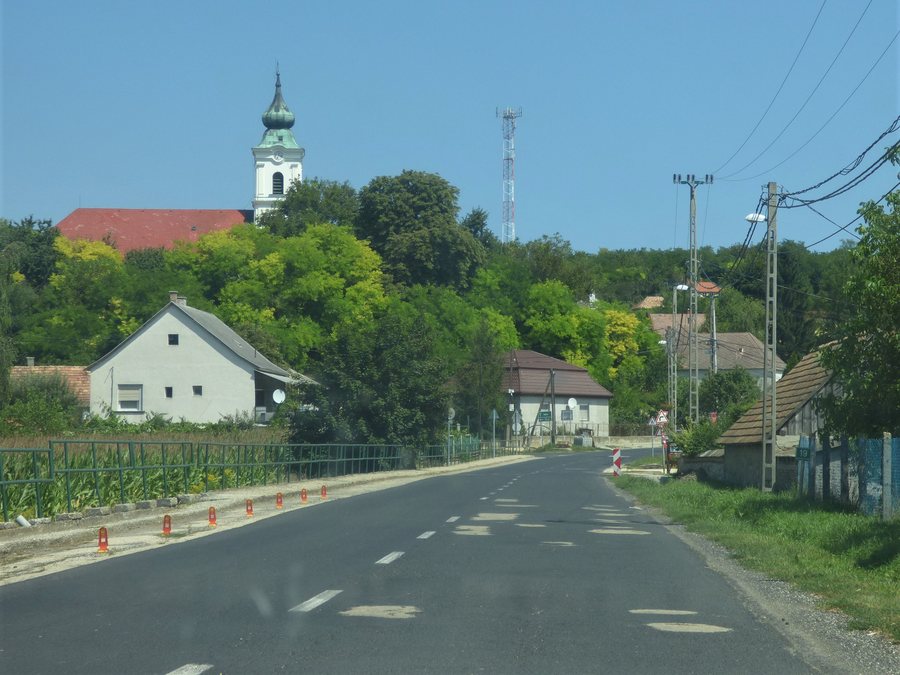
- The Catholic church was built by the Zichy family in the second half of the 19th century.
What do the fishing lakes offer during your stay?
Fishing is not the only activity available at the fishing lakes: the natural surroundings also offer space for walks and picnics. The lakes and their surroundings cover just under 14 hectares in total. The two bodies of water are on the same watercourse, about 400 metres apart. This lets you focus on spending time by the water without separating fishing opportunities from the other leisure activities mentioned.
You can also fish at the lakes without membership by using a day pass. If you are travelling with a company or a group of friends, groups are welcomed there for fishing, fishing competitions and events. Infrastructure is provided for this, including a central building and electricity and drinking water supplies. Before your trip, check the current operating details and group arrangements if you plan to make use of these offers.
What cultural history can you discover?
Bakonycsernye offers several cultural points of interest. The ensemble dedicated to preserving Slovak traditions has co-organised the Bakonyi Nemzetiségi Találkozó since 1999. A regional cultural institution of the Országos Szlovák Önkormányzat began operating in Bakonycsernye in November 2003. Both facts offer an insight into Slovak cultural work in the town.
Records of the town’s ecclesiastical history also go back a long way: during a visitation in Csernye on 1 March 1747, a wooden prayer house with wattle-and-daub walls was recorded for the Lutheran congregation. The description also mentioned a double bell tower with a small bell. This provides a specific historical reference for understanding the town, distinct from the buildings that came later.
The present-day Catholic church was built by the Zichy family in the second half of the 19th century. Its main altar is a valuable Baroque work. Another reminder of the town’s history is Bányász Emlékpark, where memorial stones and a kopjafa commemorate 57 miners who lost their lives in workplace accidents. The church and memorial park therefore offer different cultural and historical points of interest.
How do you choose a hotel that suits your travel interests?
First, consider whether you would rather spend your stay by the fishing lakes or focus on cultural and historical topics. For anglers, the day pass for non-members and the group offers mentioned above are useful points to consider. Those interested in history can explore the historic visitation, the church, Slovak cultural preservation and the memorial park.
When choosing specific accommodation, check its stated location and amenities against your own plans.
If you would like to compare other destinations, also discover Csókakő, Csákberény, Mór, Bodajk and Fehérvárcsurgó.
FAQ
Can you fish at the lakes without membership?
Yes. Anglers without membership can use a day pass to fish at the lakes. Check the current operating details before your trip.
How are the two fishing lakes situated in relation to each other?
They are on the same watercourse and are about 400 metres apart.
What cultural and historical places and connections are there?
These include the Catholic church with its Baroque main altar, the history of the Lutheran congregation, Slovak cultural preservation and Bányász Emlékpark, which commemorates 57 miners.
For the general travel overview: Móri.

